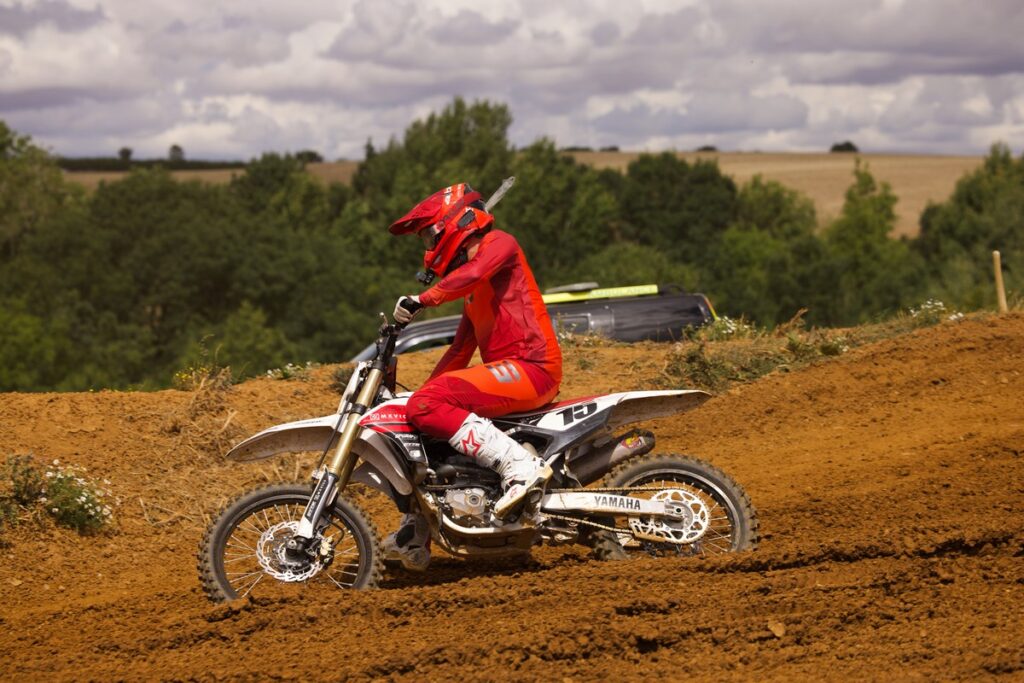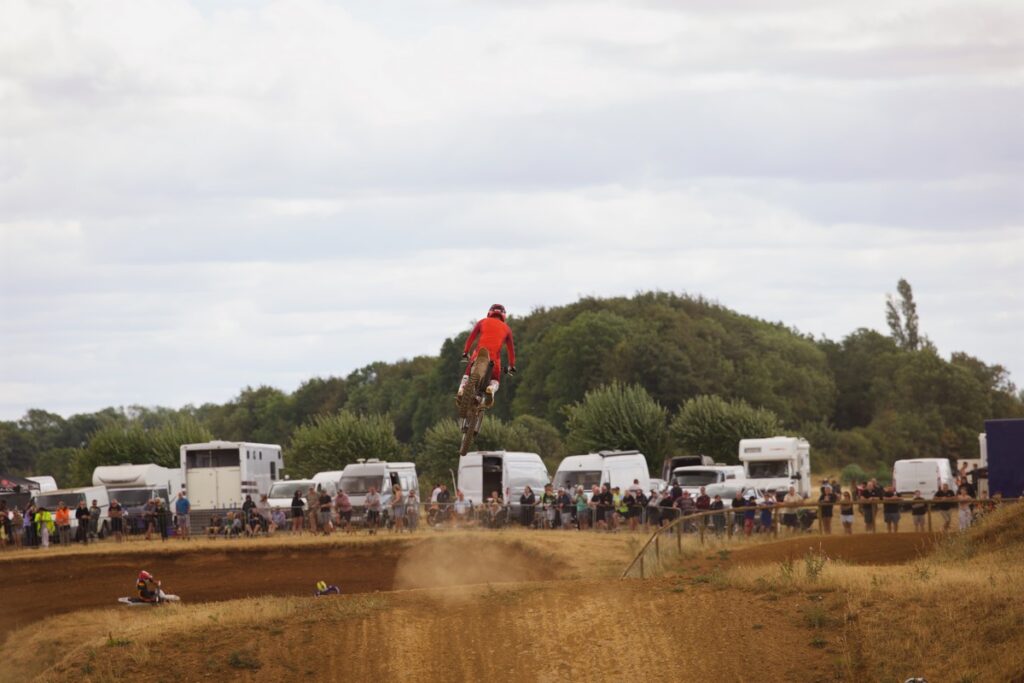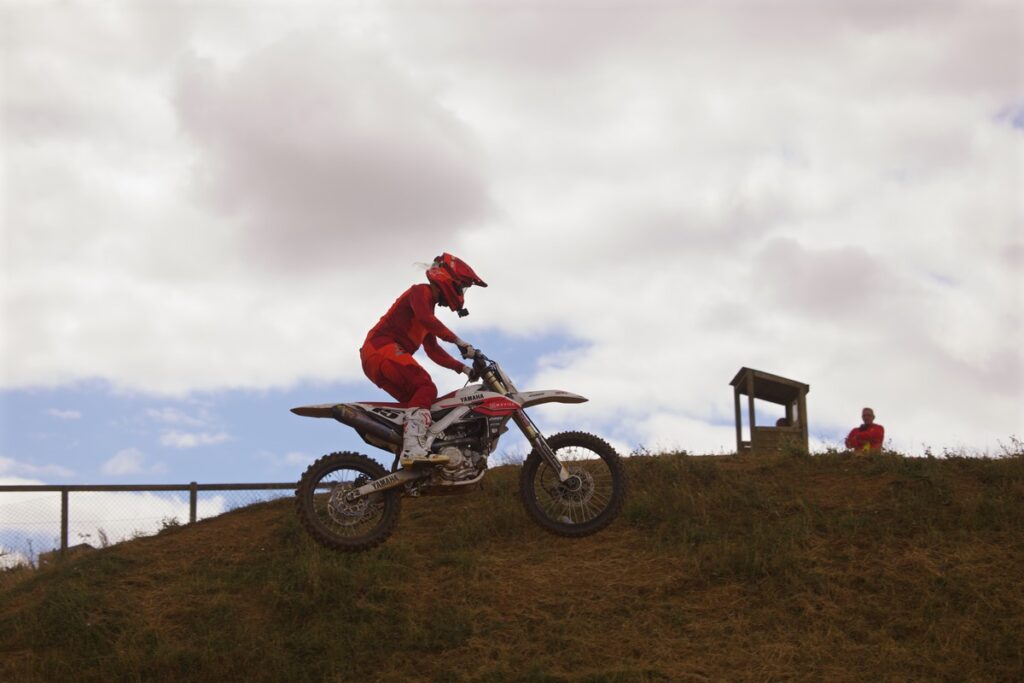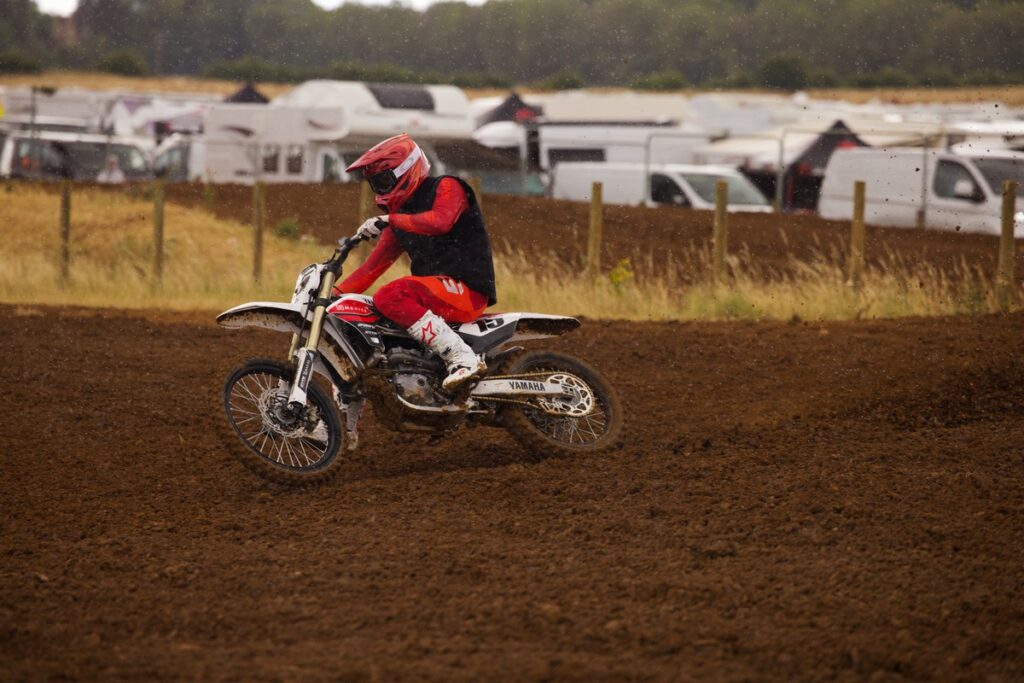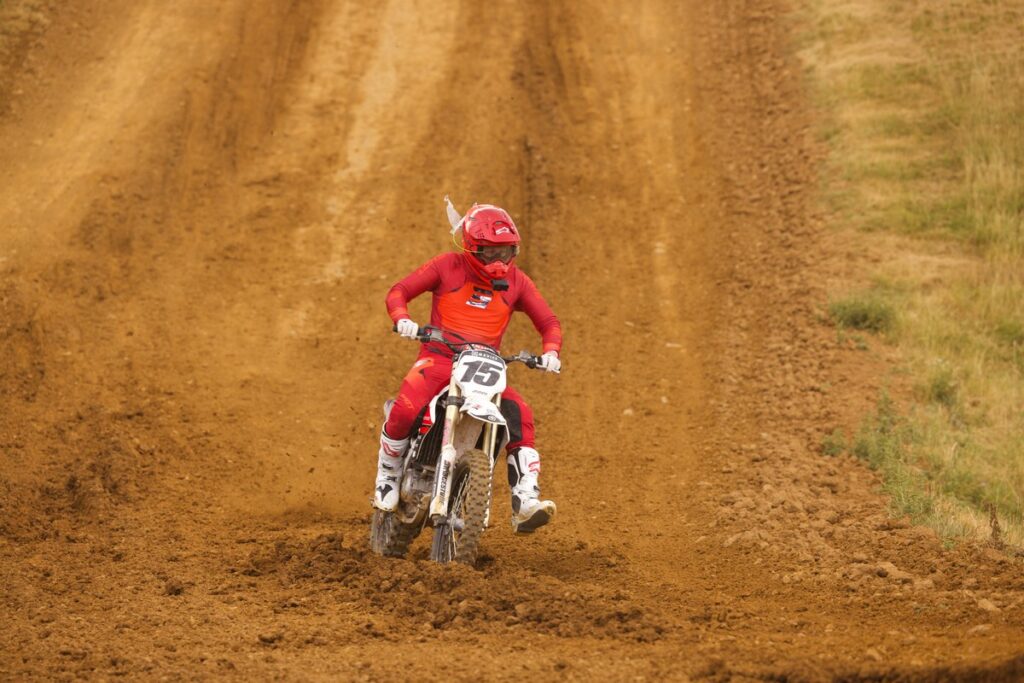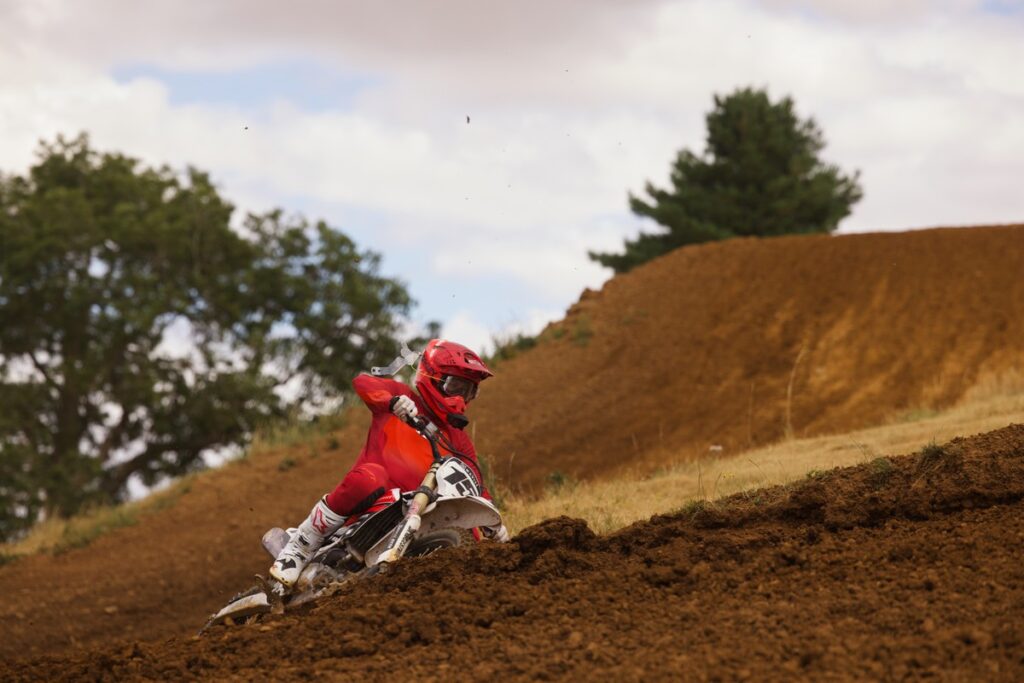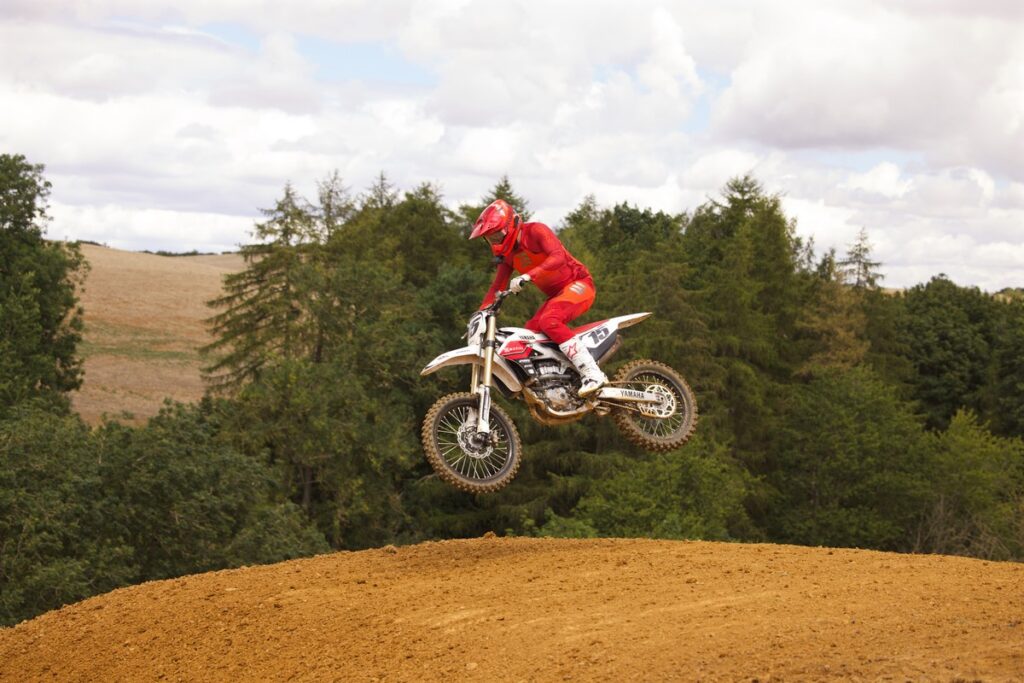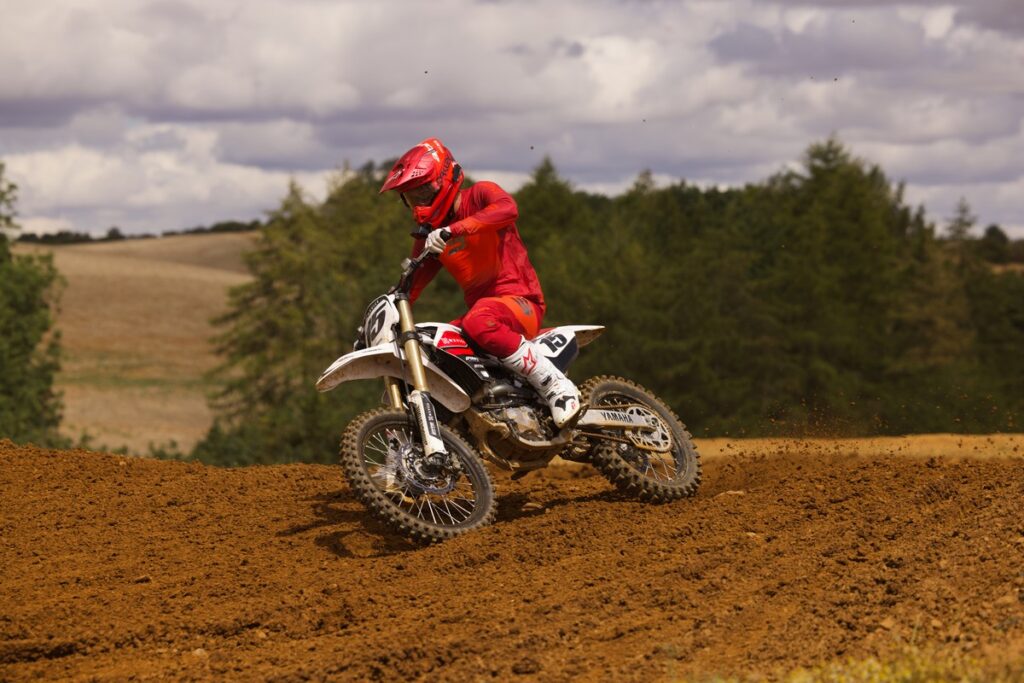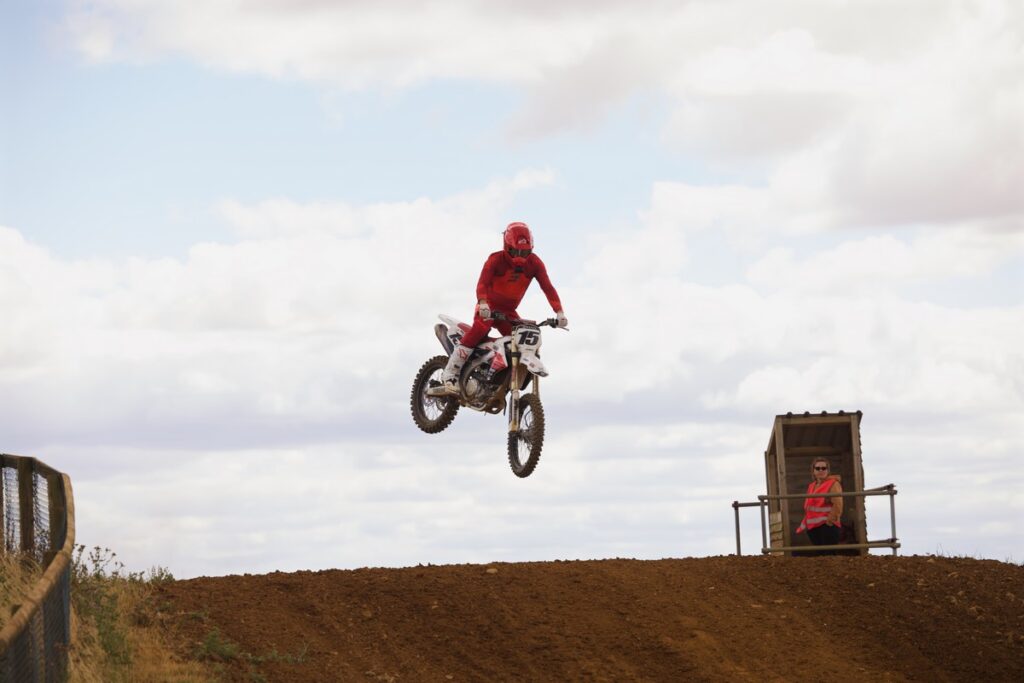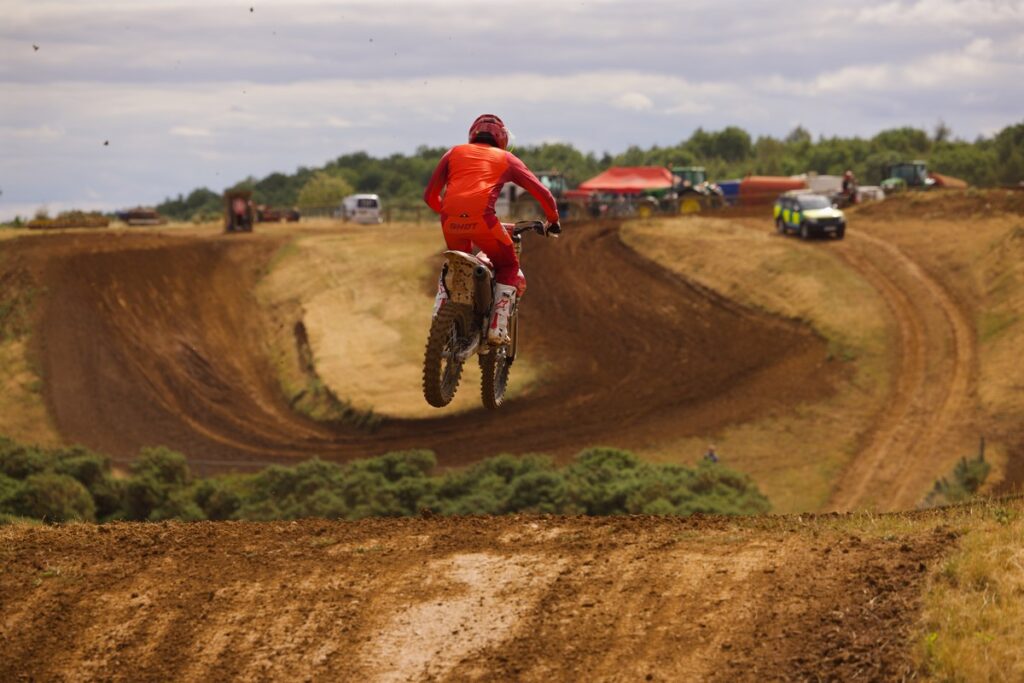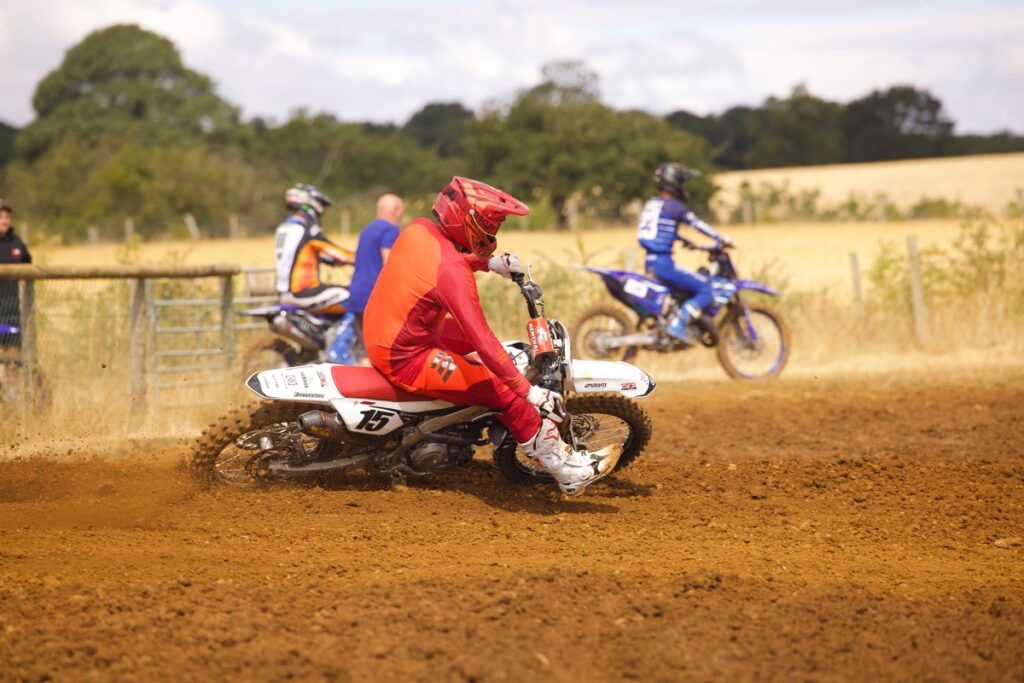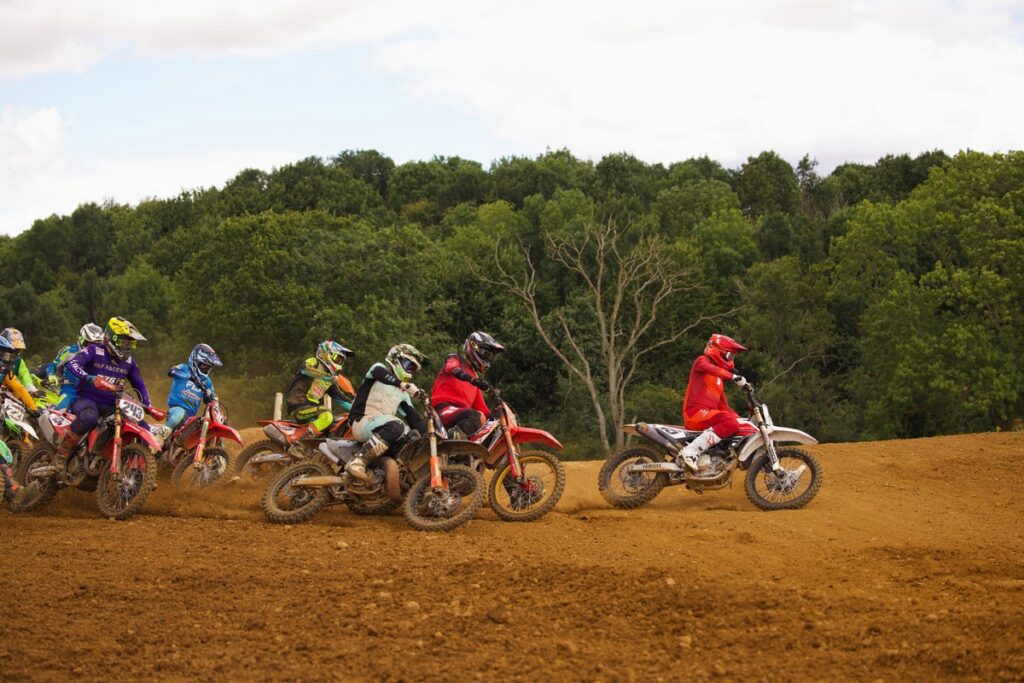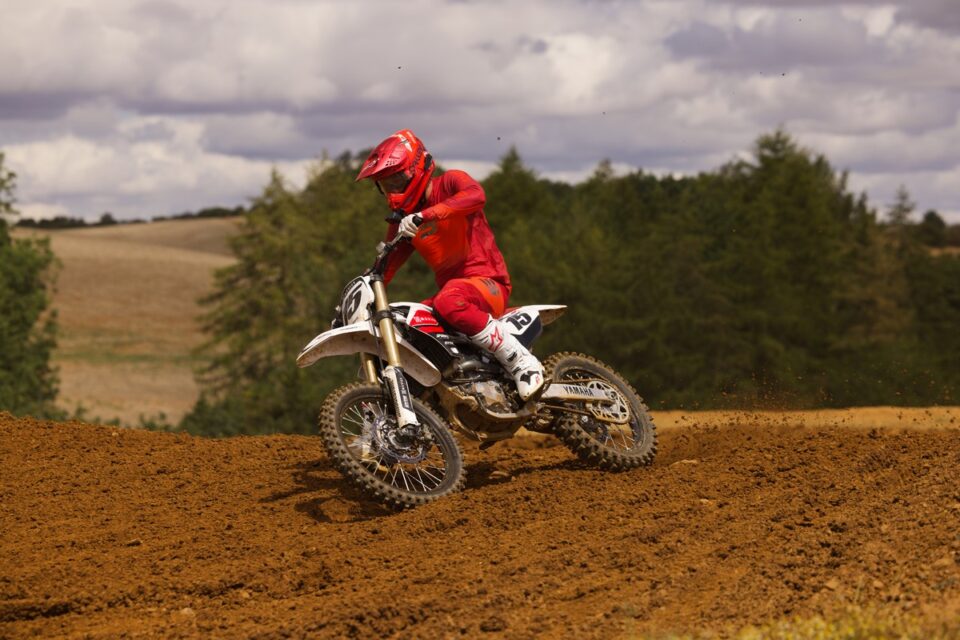
Starting with the kit, SHOT certainly hasn’t reinvented the wheel, but in my opinion, they have made some noticeable improvements compared with the previous range.
The older jerseys were quite tight, almost like a compression top. Tighter-fitting jerseys were all the rage a few years ago, but more recently manufacturers have moved towards a more athletic fit.
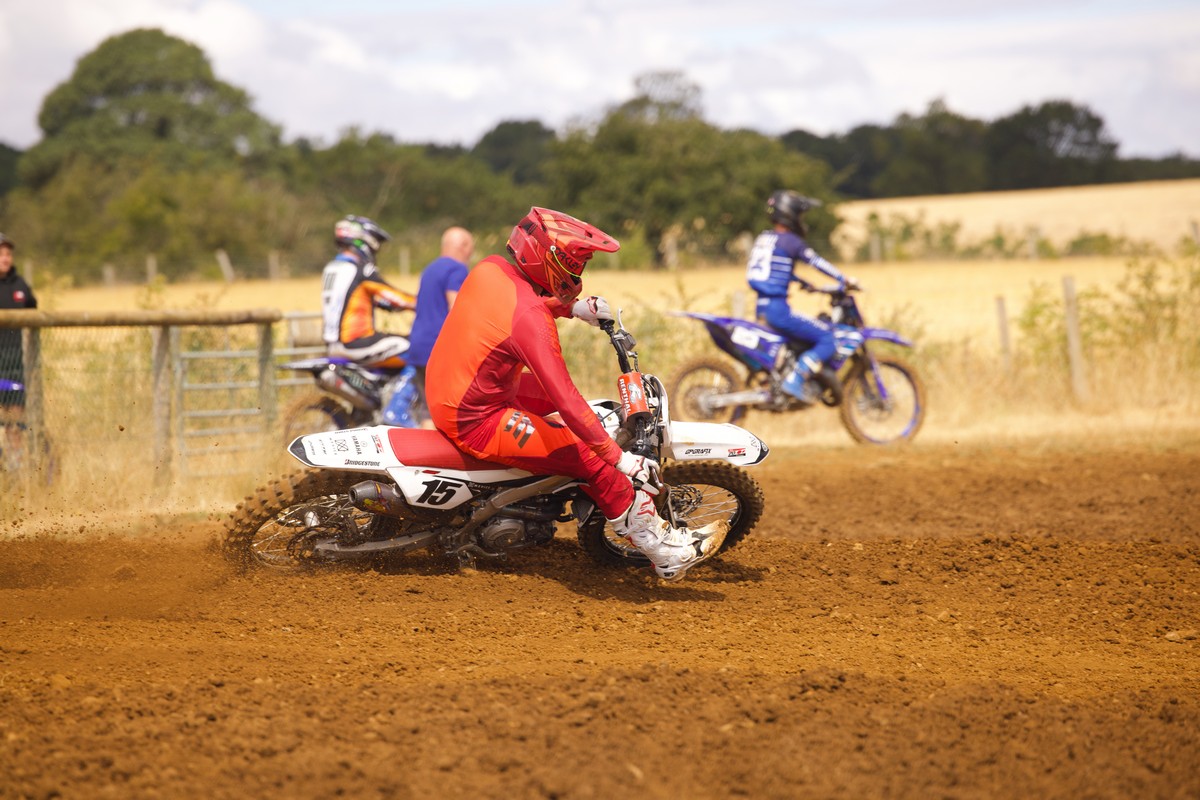
The pants have been reduced in weight to 450g, based on a size 32” waist. Just like the jersey, they have a more athletic fit, with extra room around the knees to accommodate knee braces. Around the knee area, SHOT has also replaced the leather inner-knee protection with aramid-fibre inserts. These look similar to Kevlar and do an excellent job of protecting against abrasion and heat.
Another improvement to the jersey is the silicone pattern along the lower back, which helps keep the jersey tucked into the pants while riding. I also like the tapered sleeves rather than a traditional cuff finish.
Other notable features include:
- An anti-mud zip to prevent the zipper from becoming clogged with mud
- A reinforced seat area for increased durability
- Ventilated mesh panels across the upper and lower sections
Overall, the gear has seen improvements across the board. At around €260, it certainly puts the kit towards the higher end of the market, but you really do get what you pay for.
The gear is available in eight different colourways, with jersey sizes ranging from Small to 2XL and pants from 28” to 40”. So, there is plenty of choice for everyone.
SRG-1 MAX
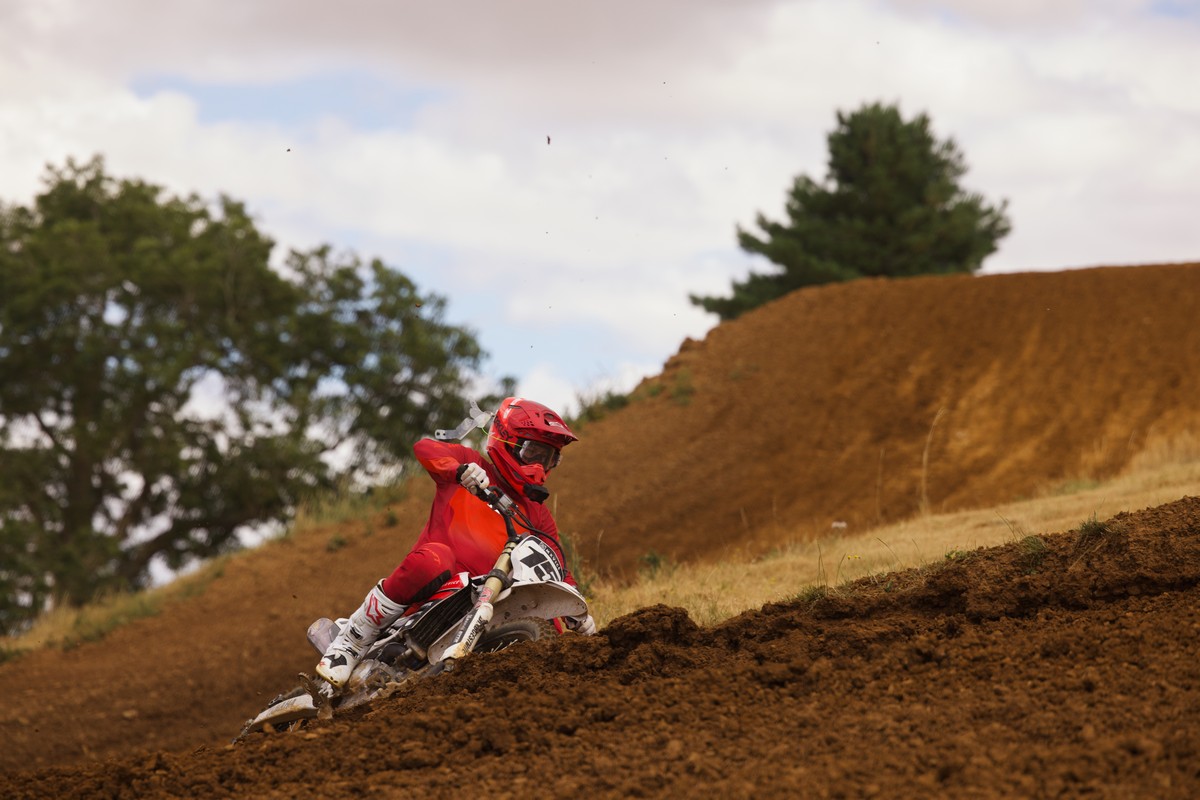
As for the SRG-1 MAX, SHOT was one of the first manufacturers to bring an airbag system to the market with the SRG-1 in 2025, and they have now added the MAX to the SRG range.
Whereas the original SRG-1 was primarily aimed at motocross racers, the SRG-1 MAX is designed more with off-road riders in mind. The MAX features full sleeves and is more like a jacket, unlike the original model, which is a vest.
The basic design of the SRG-1 MAX is virtually the same as the SRG-1, but the MAX protects significantly more areas of the body. The original SRG-1 protected the chest, abdomen, neck and back, while the MAX also provides protection for the collarbones, ribs, shoulders and elbows.
The increased level of protection does mean the weight has increased from 1.8kg to 2.5kg. When you first pick it up, it does feel quite heavy, but once you are riding, it is not something you really notice.
It felt a little strange for me to ride without a jersey over the airbag, as I had never ridden that way before. However, I’m sure off-road riders who are already used to wearing this type of armour will find it much more natural.
Apart from the increased weight, additional protection and price, the rest of the armour is the same as the original SRG-1. The new SRG-1 MAX is priced at €549.99.
Considering the weather is currently very hot in the UK, I expected to get quite warm while riding in the armour. However, that wasn’t really the case. The MAX offers good ventilation to help keep you cool while riding, while its relatively low-profile design means you can still wear a riding jacket over the top during the colder months.
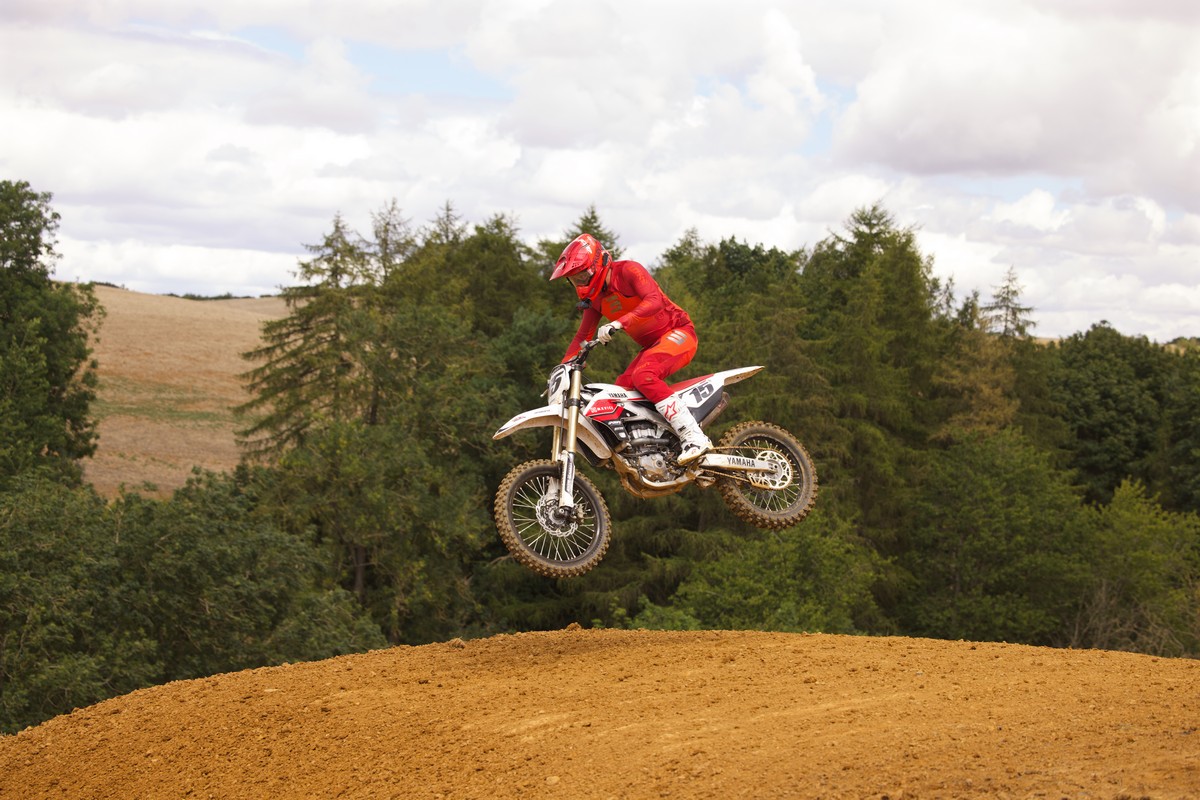
Other notable features and specifications:
- 30 hours of battery life
- 2 hours to fully recharge from empty
- 7 different riding modes
- Available in sizes XS to 4XL
- Water-resistant and jet-washable
- Full inflation in 0.03 seconds
- Complete deflation in 30 seconds when the deflation ring is fitted (sold separately)
- Up to 5 inflations before the airbag needs to be replaced
Conclusion
Overall, the SRG-1 MAX is clearly aimed at the more off-road-focused rider, but it is certainly something worth considering as an investment in your safety.
If you are serious about your riding and regularly push your limits, it is reassuring to know that you have taken every precaution possible to minimise the risk of injury.
Personally, I would feel more comfortable riding along rocky trails and through wooded sections with the SRG-1 MAX fitted.
Pictures, videos and further information can be found at srg-airbags.com.
Tested and written by Brad Wheeler