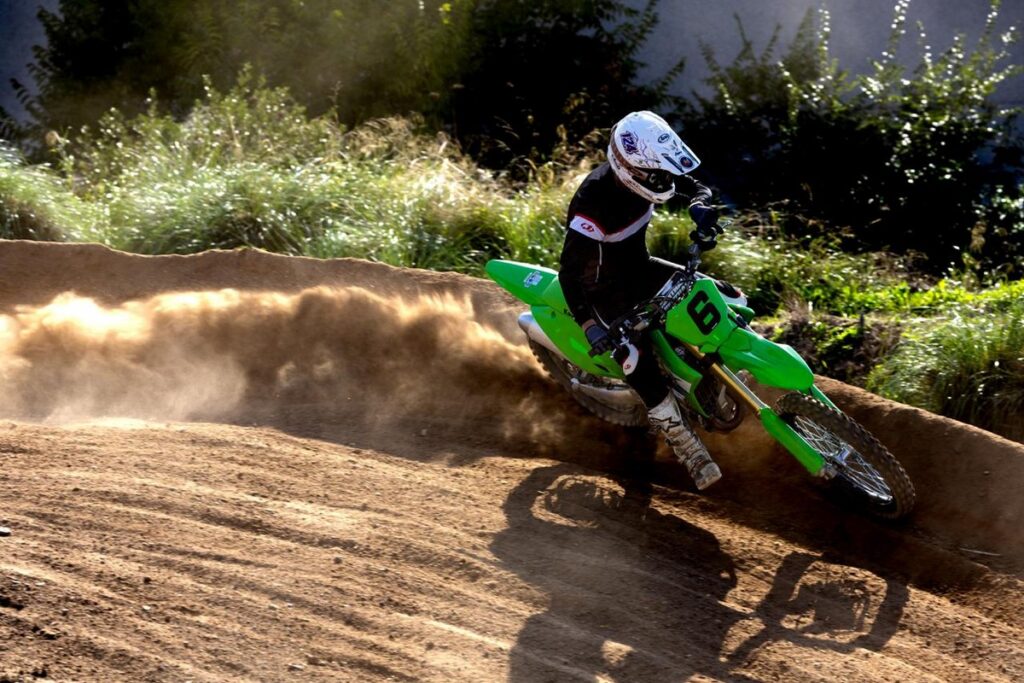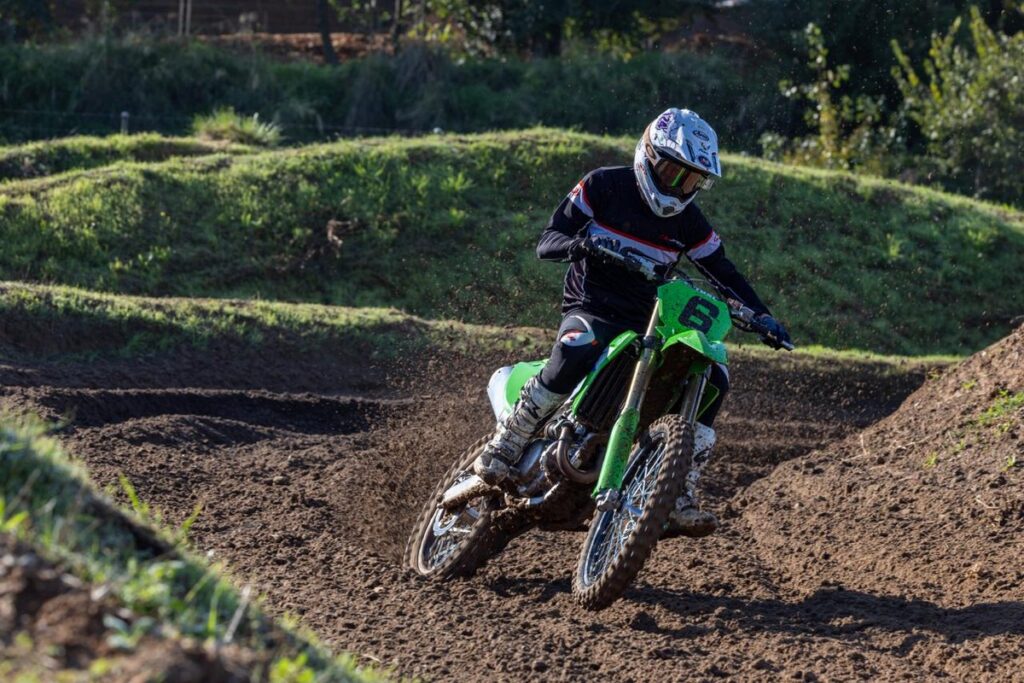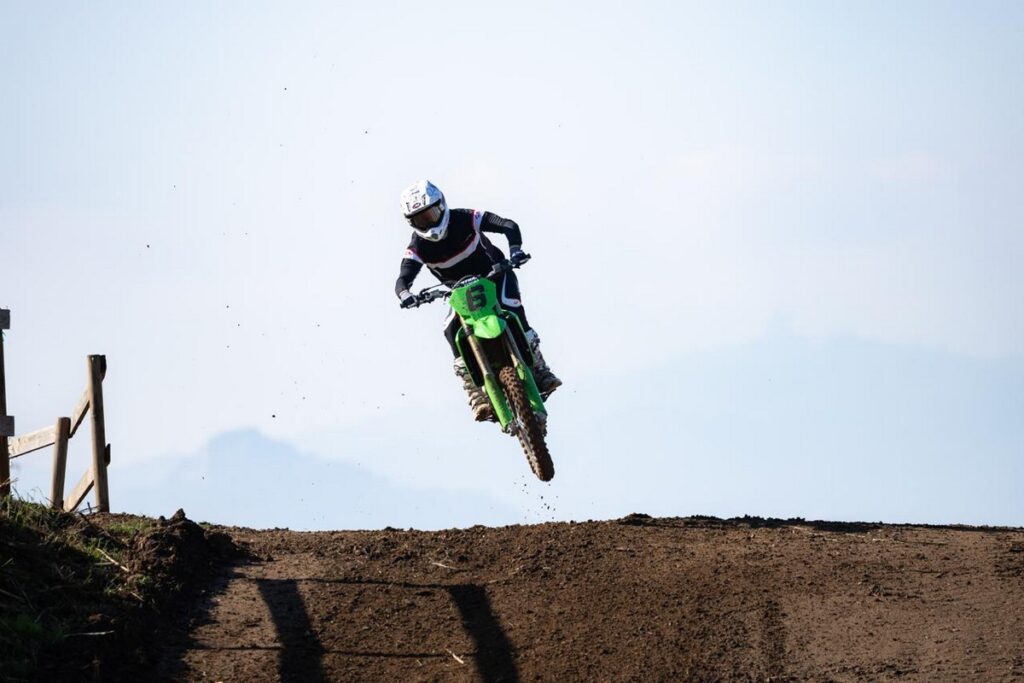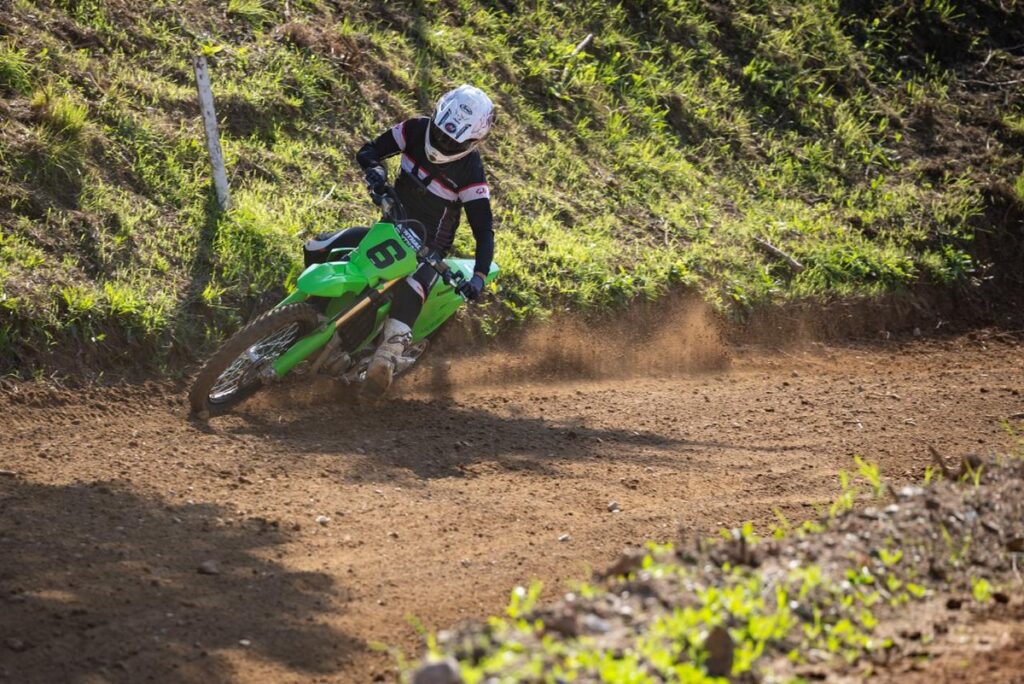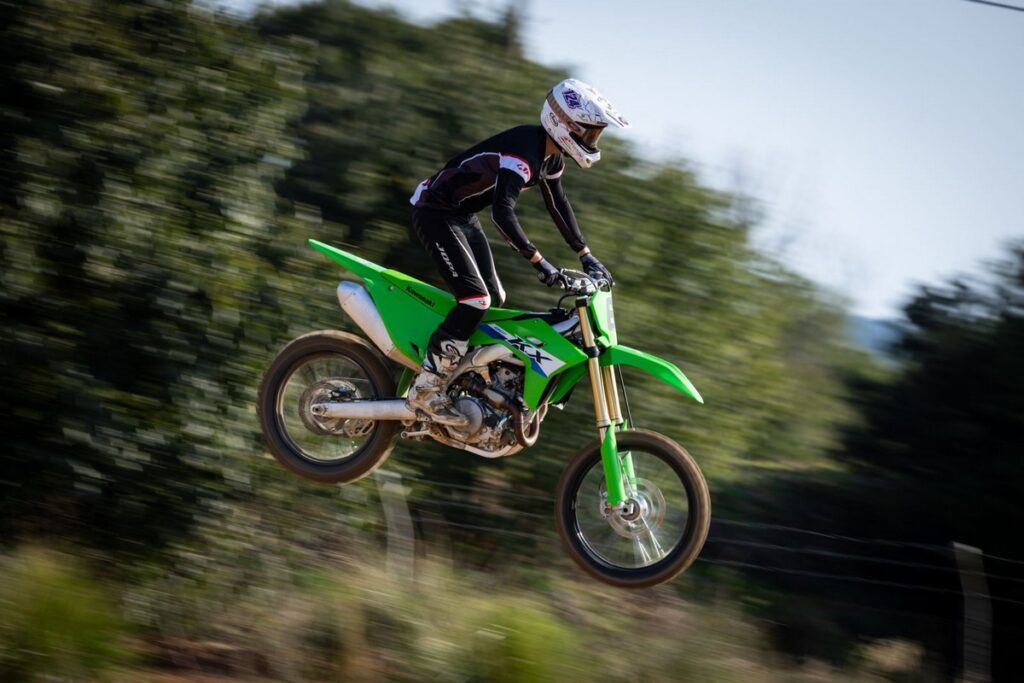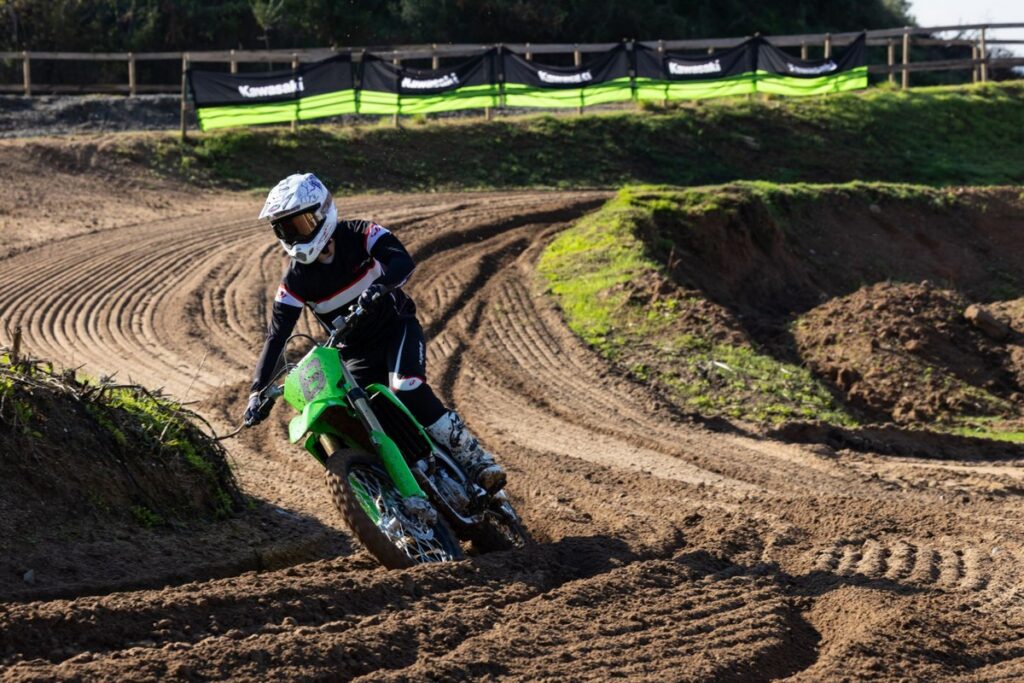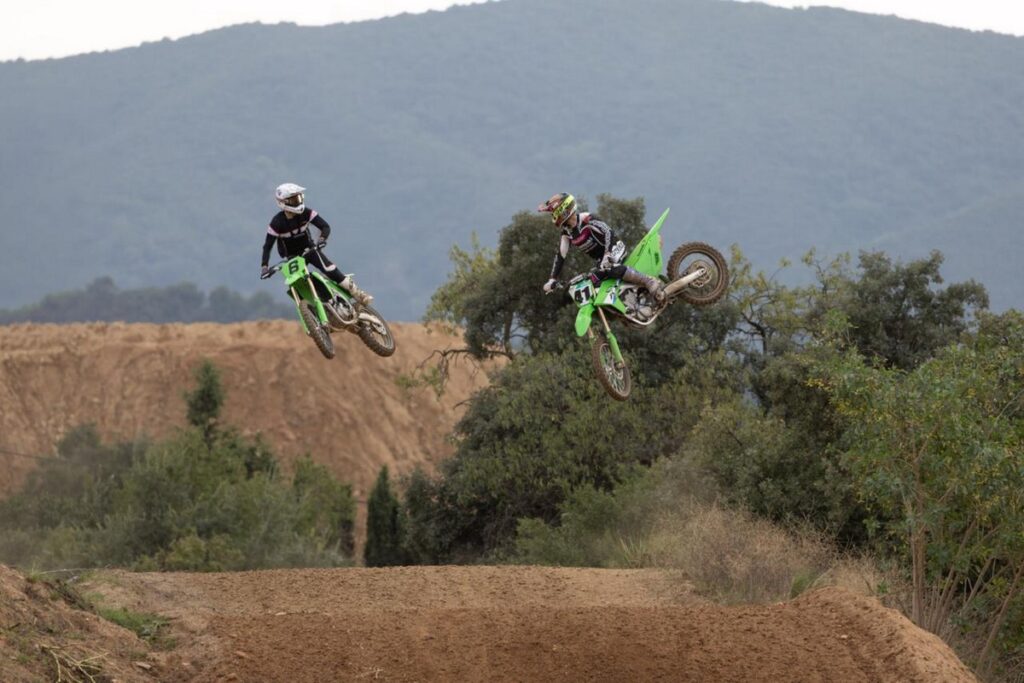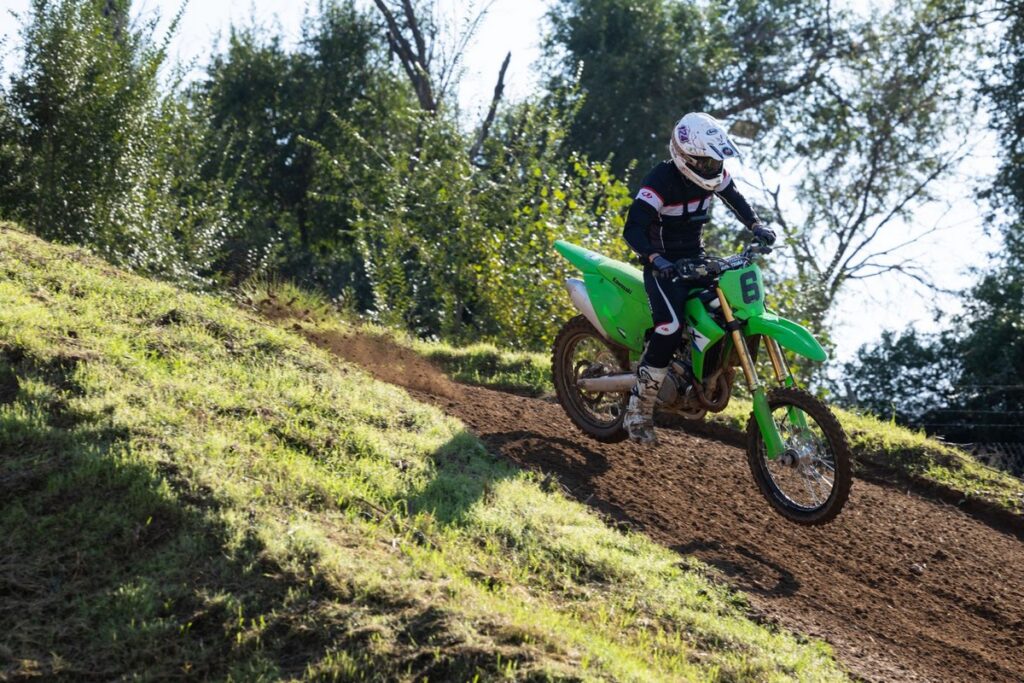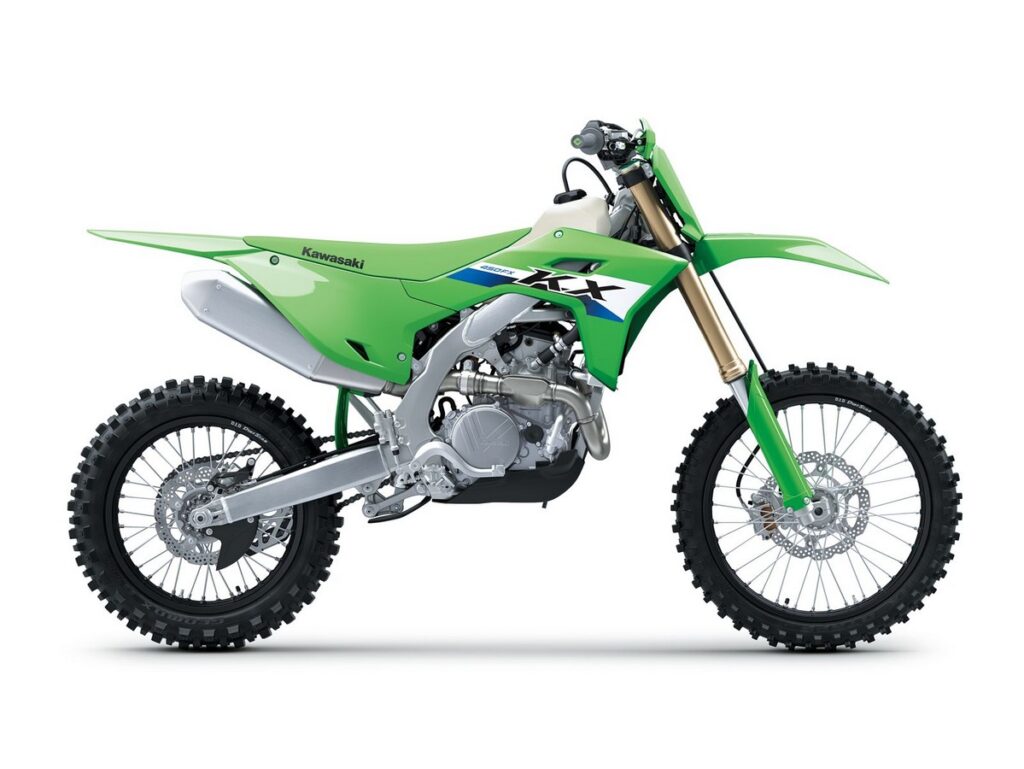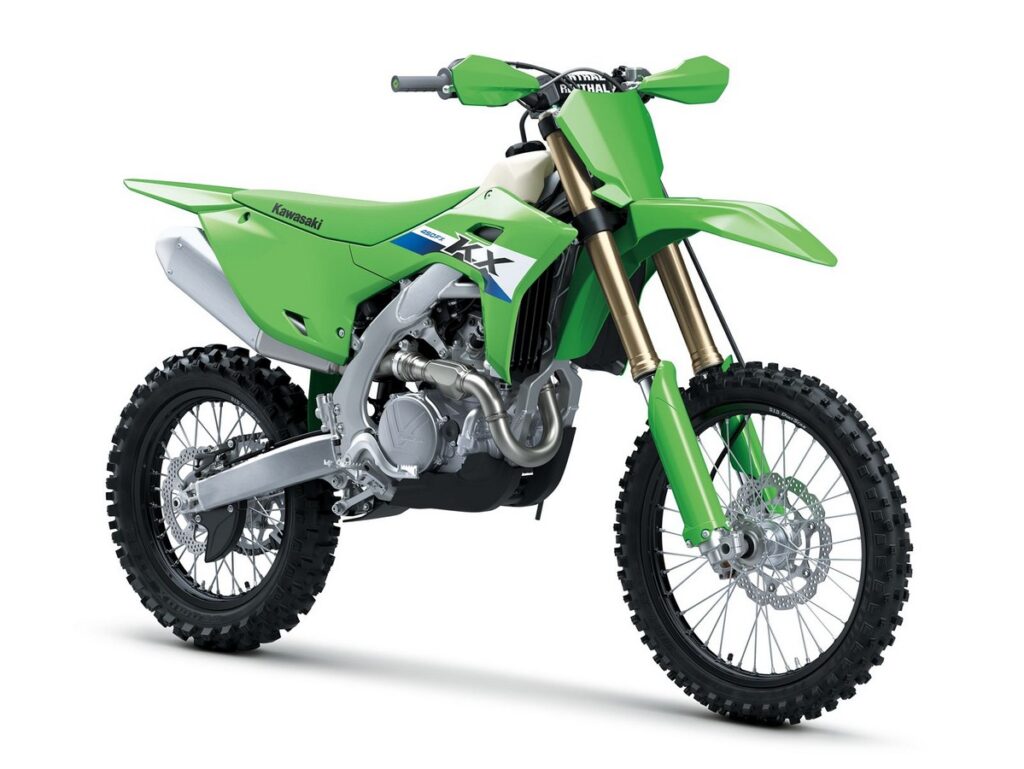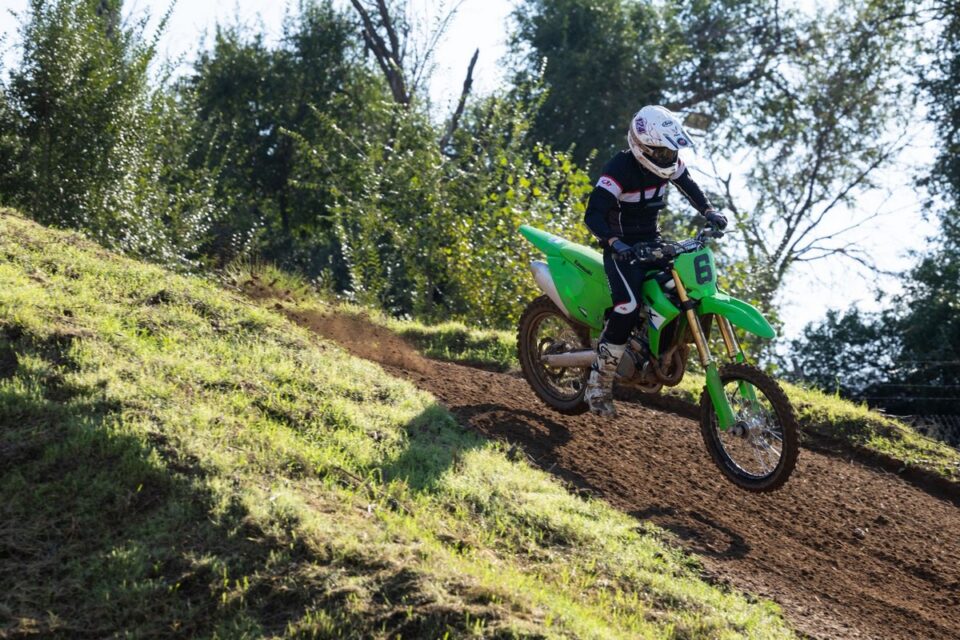
For the 2027 model year, Kawasaki has made several important updates to the KX450. Weight reduction, improved throttle response, increased stability and more extensive electronic adjustment options are at the heart of the development of the new 450cc machine. Didier van Kasteren travelled to Rocco’s Ranch, near Barcelona, where he had the opportunity to get an extensive first impression of the latest generation Kawasaki KX450.
Although not all the changes may be immediately noticeable at first glance, it quickly becomes clear on the track just how much attention Kawasaki has paid to the details. The Japanese manufacturer has not only focused on engine performance, but also on the chassis, ease of use and the possibilities for adjusting the bike to suit each rider’s personal preferences.
Weight reduction across several components
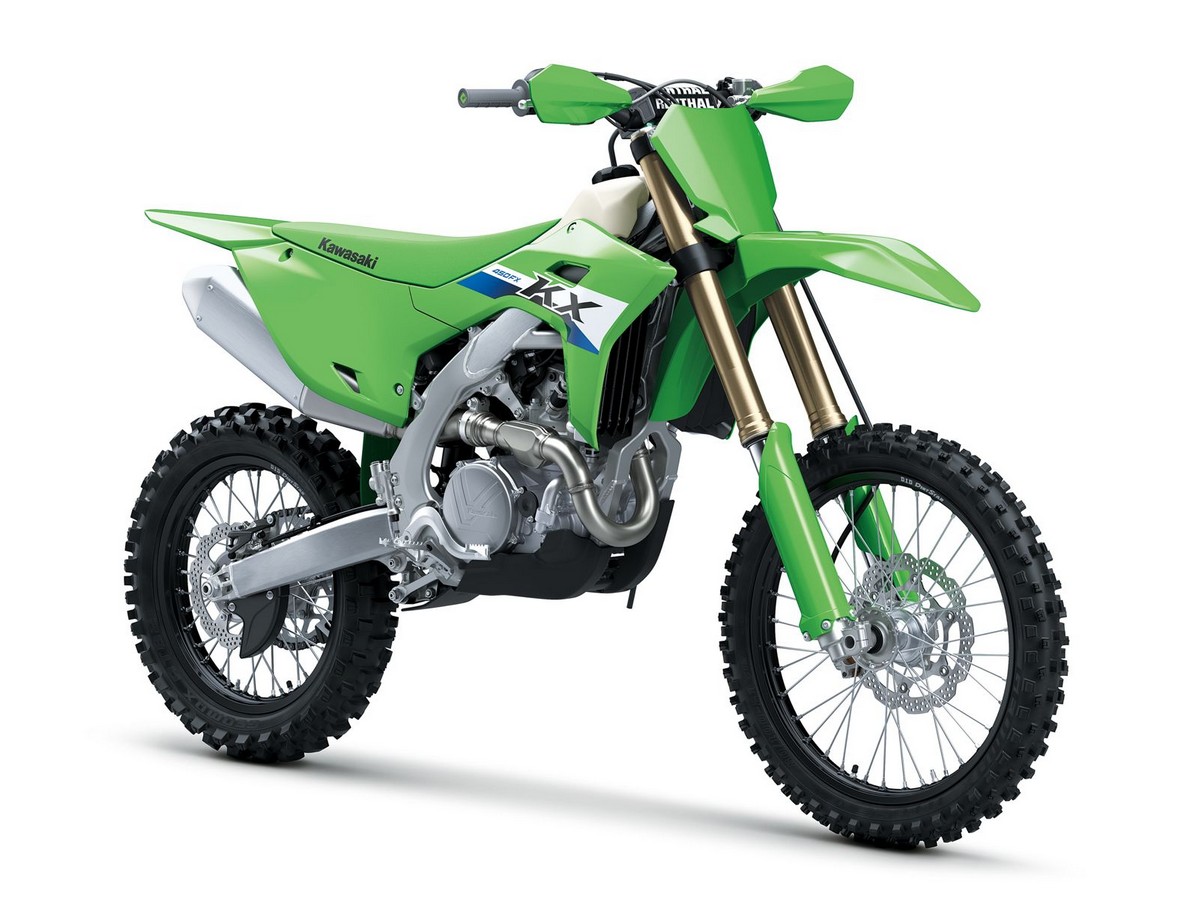
One of the main priorities in the development of the 2027 model was reducing weight. Kawasaki has achieved this in several areas. The front forks, for example, are no less than 350 grams lighter, while weight has also been saved on the fender and rear frame.
For the rear frame, Kawasaki has opted for a new, high-quality material that is lighter without compromising strength. These may seem like relatively small changes individually, but together they contribute to the overall handling of the motorcycle.
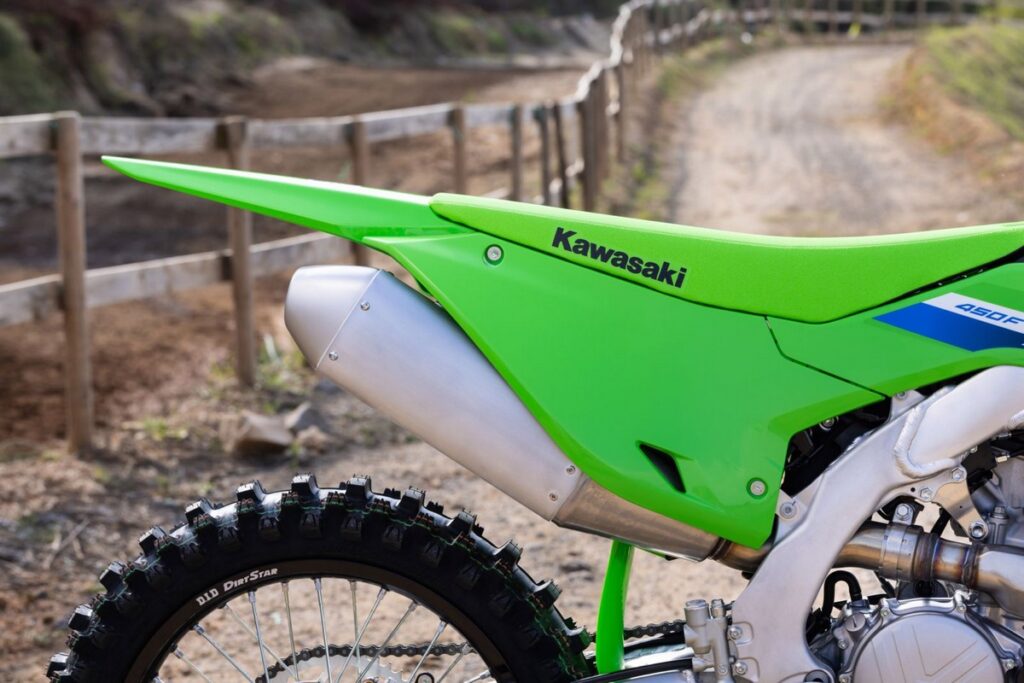
The ergonomics have also been further improved. The sides of the motorcycle are now flatter, making it easier for riders to grip the bike with their knees. This is particularly beneficial when entering corners and changing position on the bike. As a result, the Kawasaki feels agile and is easy to manoeuvre.
More responsive throttle thanks to revised injection system and airbox
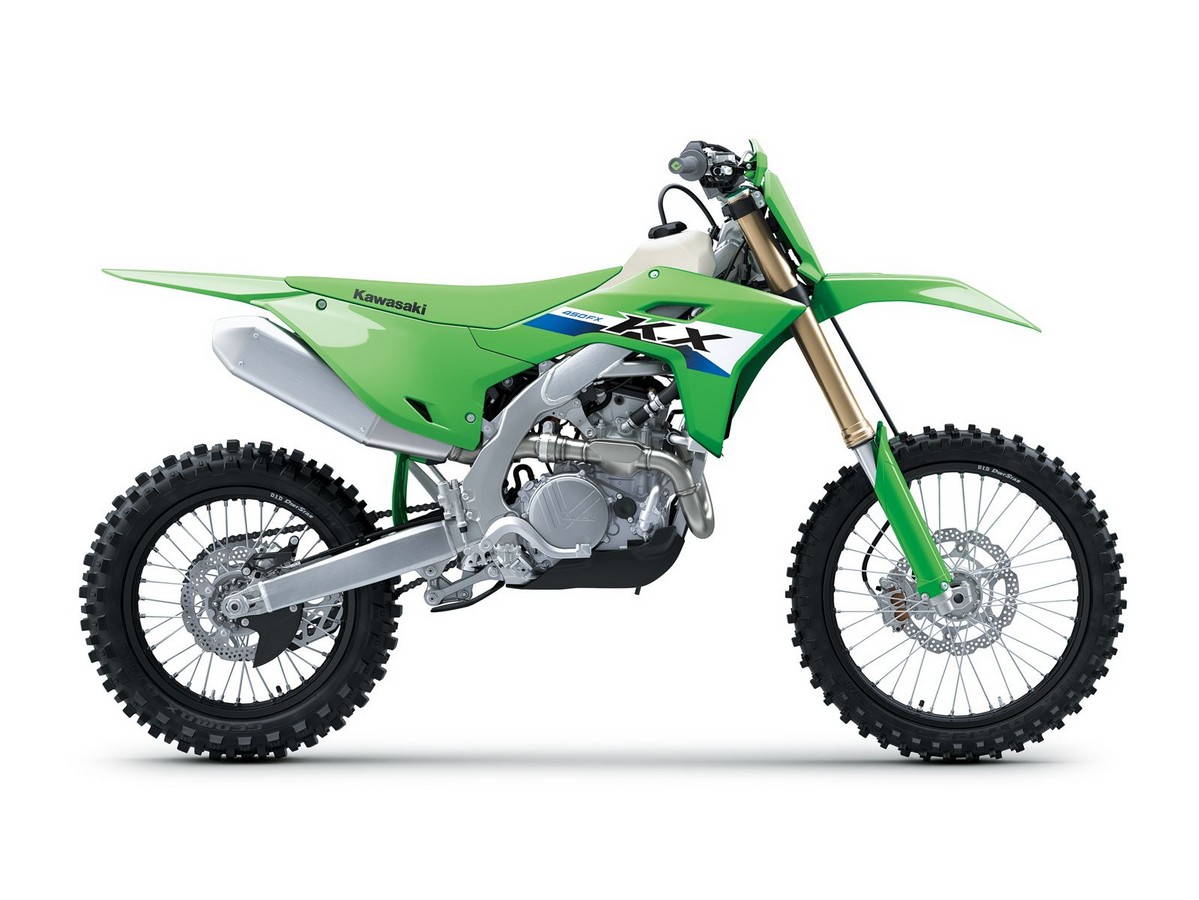
One of the most noticeable changes during the test at Rocco’s Ranch was the improved throttle response. Kawasaki has achieved this partly by changing the position of the injector. Whereas it was positioned at a 40-degree angle on the previous model, this has been changed to 90 degrees for the 2027 version.
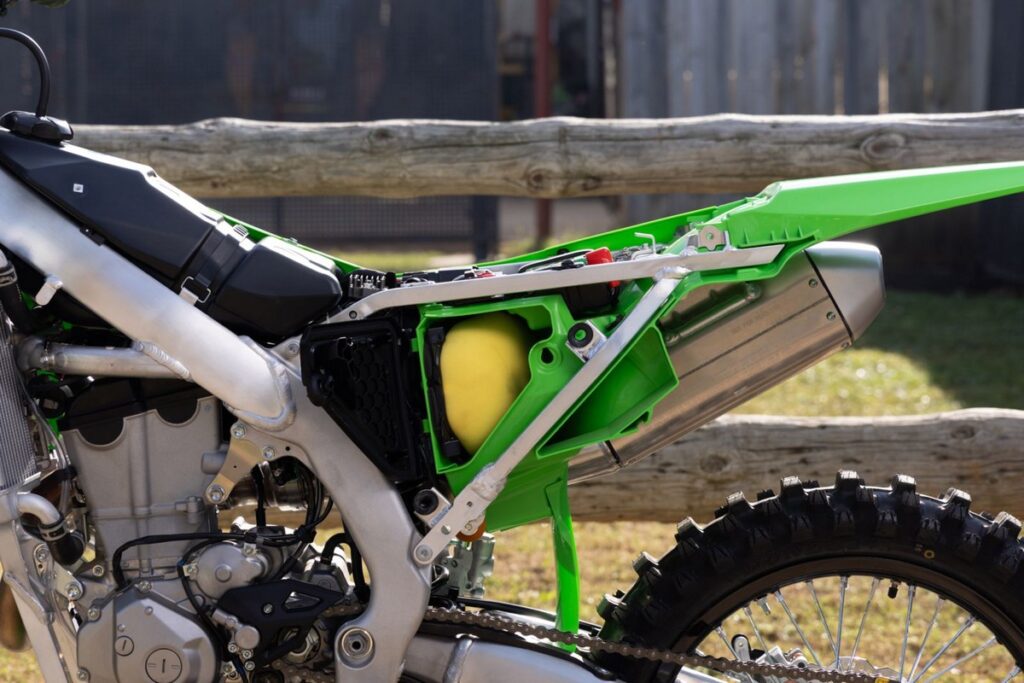
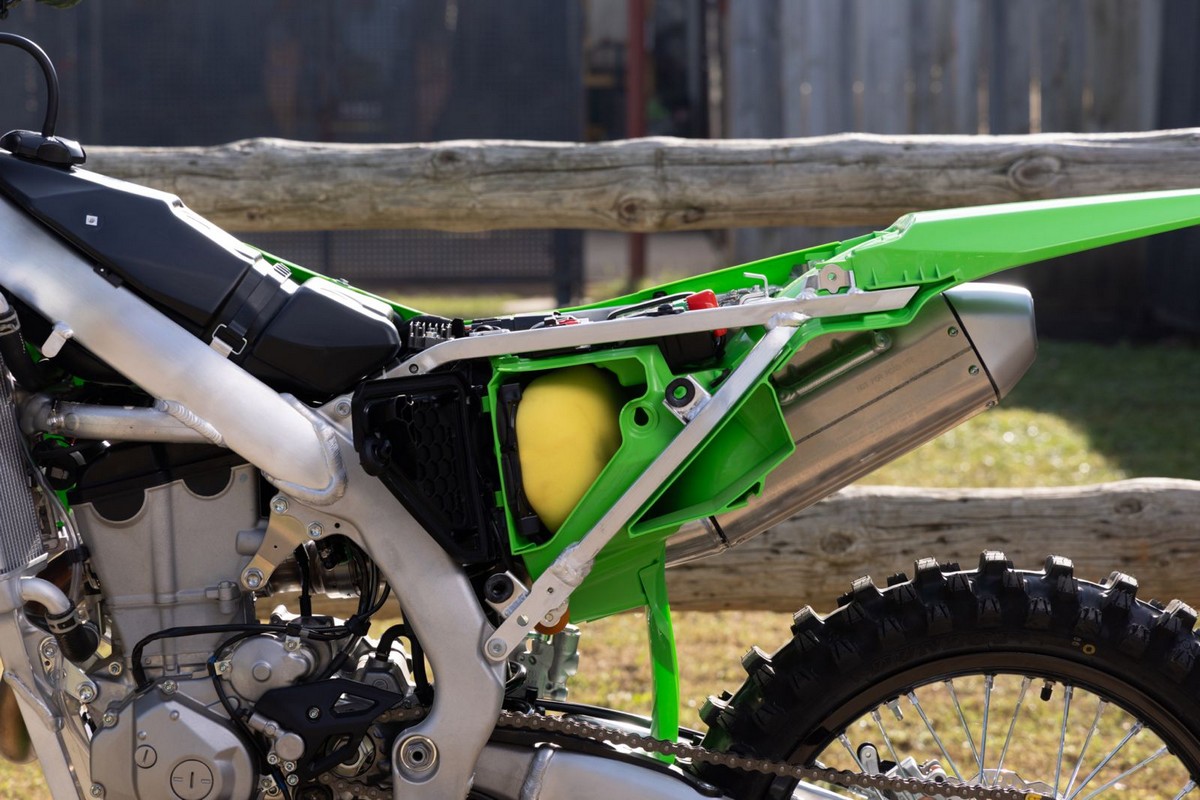
In addition, the airbox has been completely redesigned. Kawasaki identified room for improvement in this area on the 2026 model and has therefore paid considerable attention to improving airflow to the engine.
The air filter has 29 percent more capacity, while airflow has been improved at both the rear and sides of the airbox. This allows the engine to draw in air more easily, contributing to a more responsive throttle, particularly in the lower rev range.
Maintenance has also been made easier. The side cover can be removed easily, after which the air filter can be released with a simple quarter-turn movement. There are also several covers that allow the airflow to be adjusted according to personal preference.
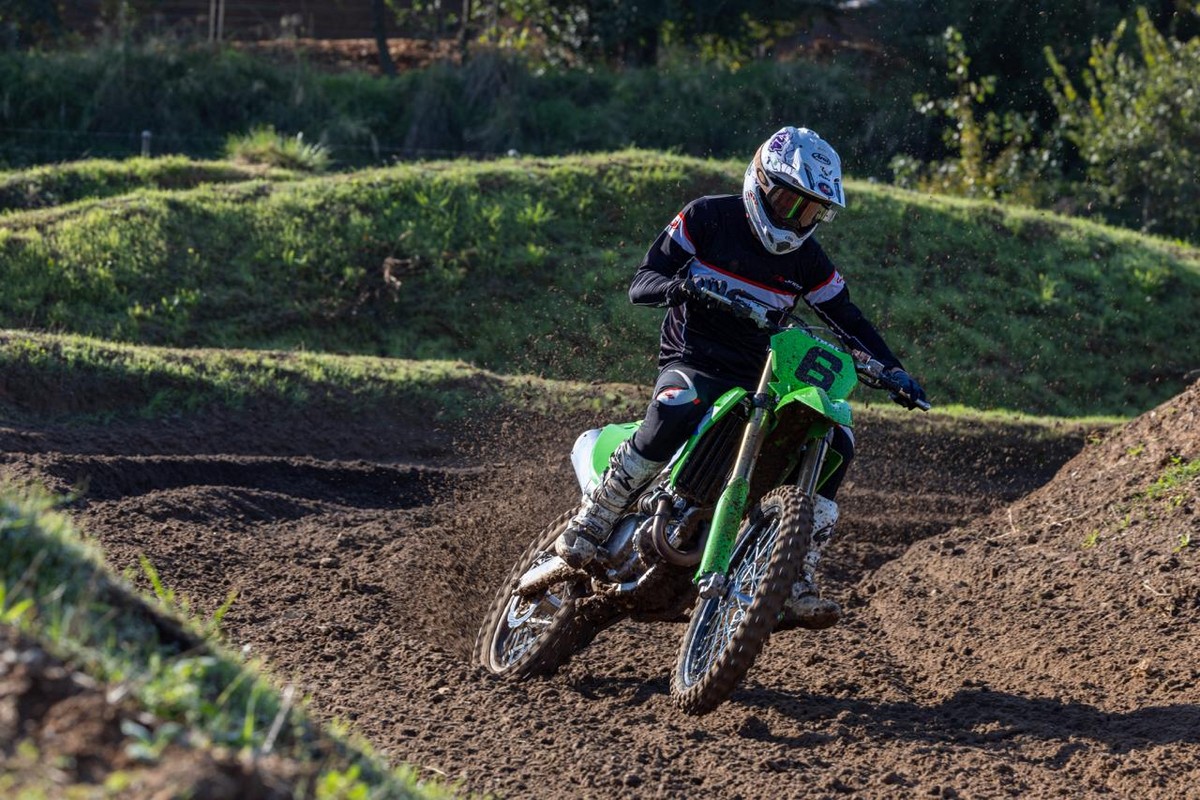
The changes are clearly noticeable on the track. The engine responds immediately to throttle input and has a fairly aggressive character, while remaining easy to control. The immediate availability of power is particularly beneficial when accelerating out of tight corners and deep ruts.
Extensive adjustment options with the new Kawasaki app
One of the most interesting features of the new Kawasaki KX450 is the updated app, which allows riders to extensively adjust the character of the engine.
Every rider has their own preferences. While some prefer an aggressive engine that responds immediately to every movement of the throttle, others favour smoother and more manageable power delivery. Kawasaki addresses these different needs with its new software.
Power delivery can be adjusted in stages across the low, mid and high rev ranges. This makes it possible to tailor the engine very precisely to the rider’s ability, track conditions and personal riding style.
As standard, the Kawasaki comes with two different mappings. In addition to the regular, slightly more aggressive setting, there is a softer mapping, which can be particularly useful on a slippery track or for riders who want the power of a 450cc machine to be more manageable.
During the test, the possibility of making the engine more aggressive proved to be a particularly interesting addition. For competitive riders, this can offer an advantage on tracks featuring short acceleration sections, deep ruts and jumps immediately following corners. In these situations, having an engine that responds instantly is a real benefit.
The traction control system also offers extensive adjustment options. The level of intervention can be adjusted, and riders can switch between different settings while riding. This makes it relatively easy to adapt the bike to changing track conditions, for example when the surface becomes more slippery throughout a day of practice.
The major advantage of these electronic features is that riders can significantly change the character of the standard motorcycle without having to invest in a different ECU or expensive aftermarket components.
Brembo brakes front and rear
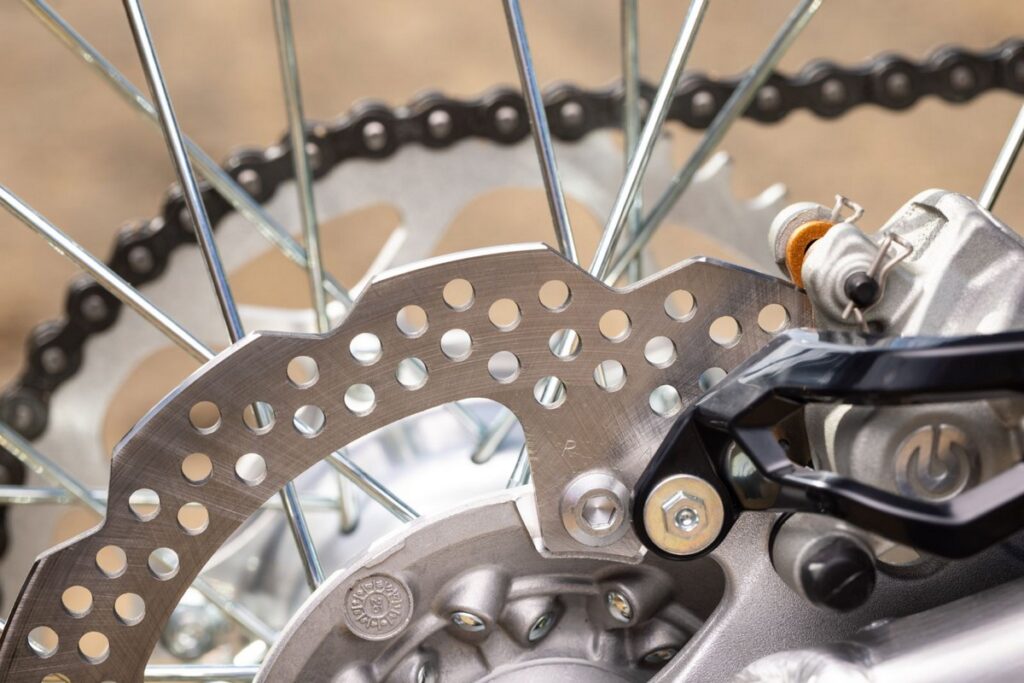
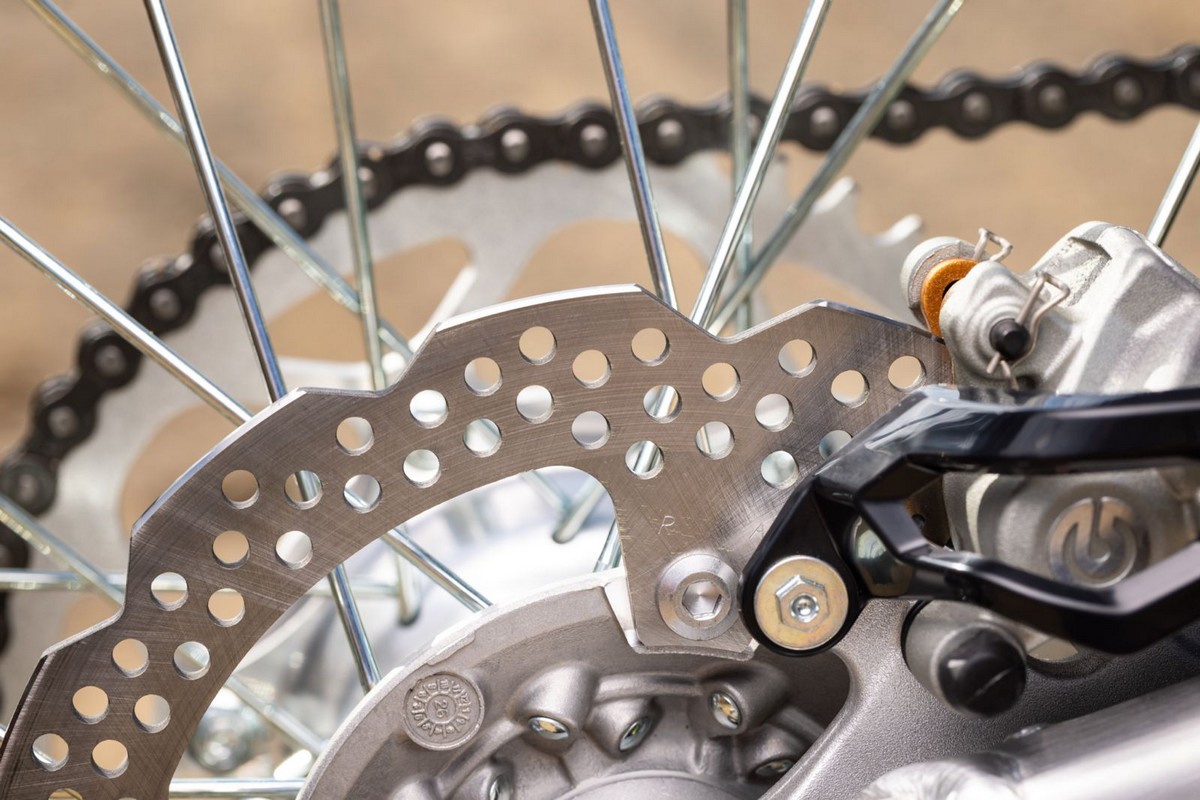
Kawasaki has also made a significant step forward in the braking department. Whereas the previous model featured a combination of Brembo and Nissin components, the 2027 model is equipped with a complete Brembo braking system at both the front and rear.
Apart from giving the bike a more factory-inspired appearance, the actual performance of the brakes is a clear improvement.
During the test, the immediate response of the braking system was particularly impressive. The brakes engage quickly, provide plenty of stopping power and give the rider confidence when braking into corners. This is a welcome improvement, especially on tracks where heavy braking is required on a regular basis.
More stability without sacrificing agility
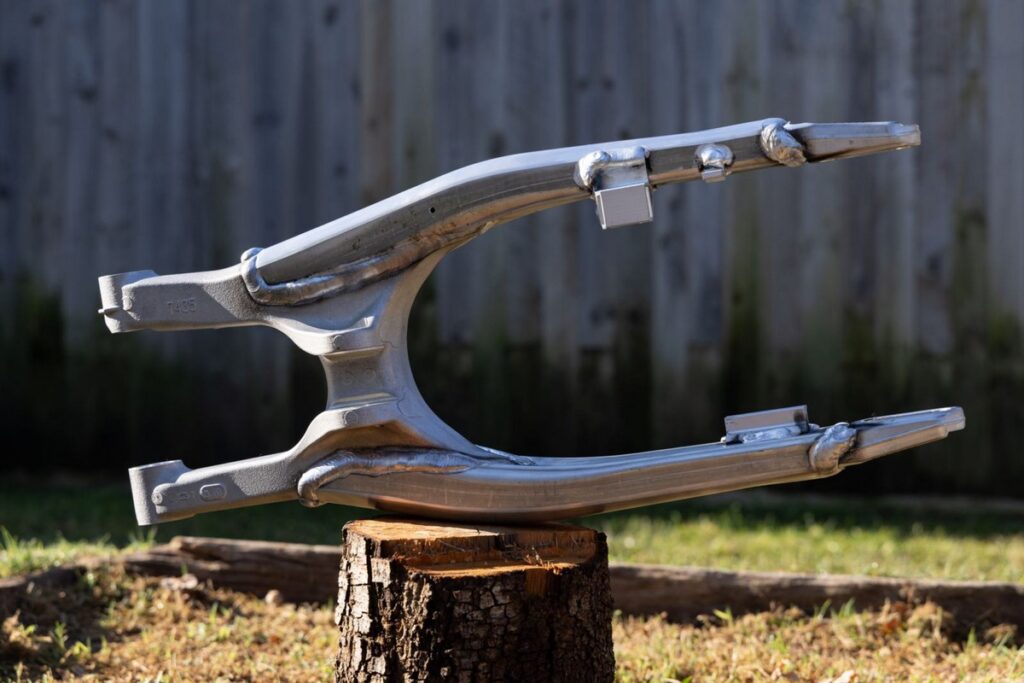
Kawasaki has also redesigned the swingarm. This has resulted in a wheelbase that is five millimetres longer, with the main objective of improving stability.
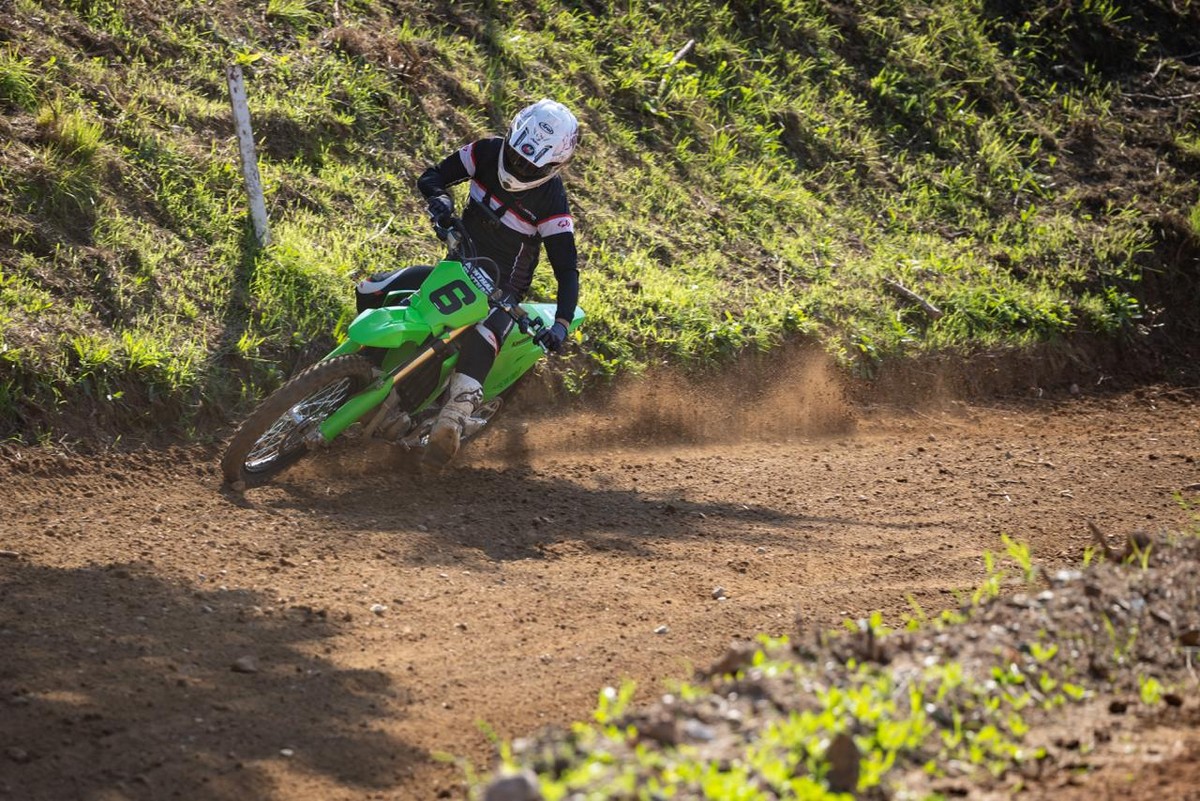
On paper, a longer wheelbase can come at the expense of agility, but this was hardly noticeable during the test at Rocco’s Ranch. The Kawasaki feels stable through the faster sections of the track and also provides a reassuring feeling when accelerating out of corners.
At the same time, the revised ergonomics and flatter side panels allow the rider to maintain easy control of the motorcycle. The combination of stability and agility is therefore one of the key strengths of the new model.
New exhaust with a more factory-inspired appearance
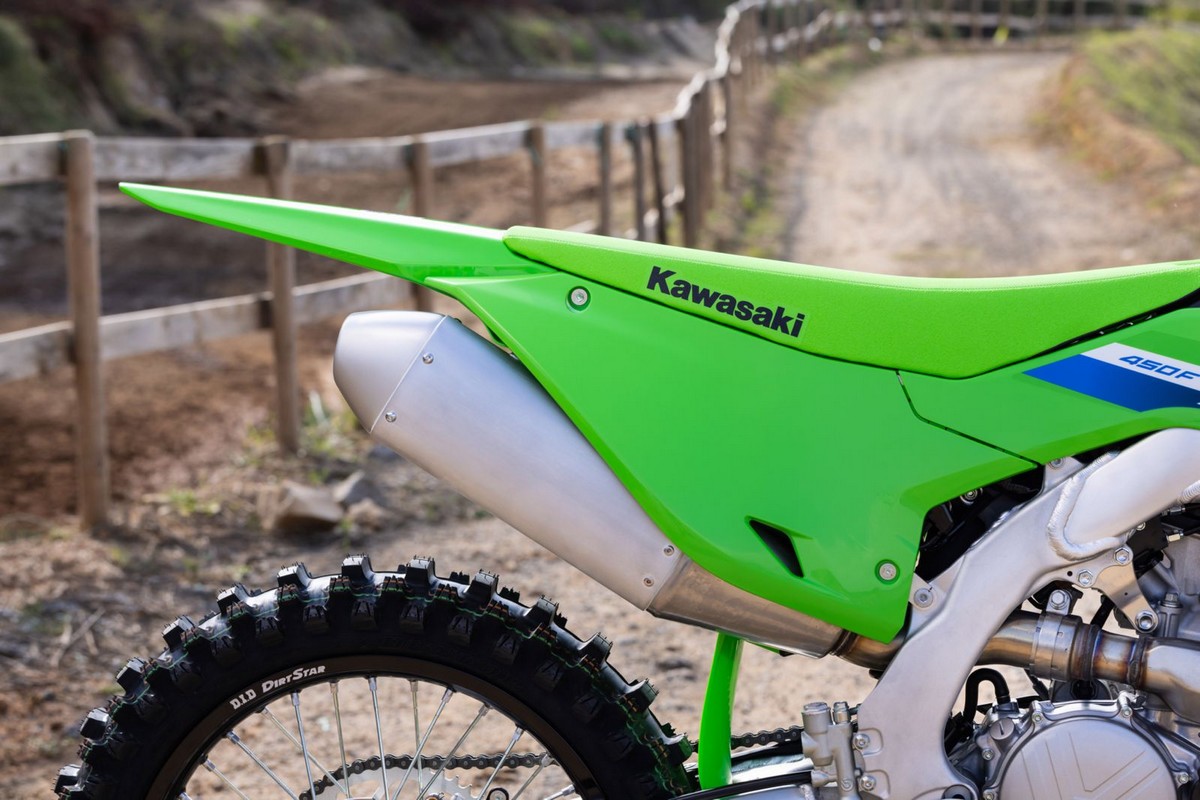
To comply with the latest noise regulations, Kawasaki has also modified the exhaust system. The focus was not only on meeting the technical requirements but also on improving the motorcycle’s appearance.
The new silencer features a slimmer design and looks less bulky than its predecessor. This gives the Kawasaki a cleaner appearance, more closely resembling the machines raced by the factory riders.
The seat mounting has also been modified, with the seat now secured at the front. Details like these demonstrate that Kawasaki has looked beyond outright track performance in the development of its new model.
Conclusion: a versatile 450 with plenty of adjustment options
Following an extensive first ride at Rocco’s Ranch, Didier van Kasteren was pleasantly surprised by the 2027 Kawasaki KX450. Rather than completely reinventing the existing concept, Kawasaki has introduced targeted improvements in several important areas.
The more responsive throttle, improved airflow, complete Brembo braking system and increased stability are changes that can genuinely be felt on the track. In addition, the weight reduction and revised ergonomics make the motorcycle enjoyable to ride.
Perhaps the biggest advantage lies in the extensive electronic adjustment options. The ability to fine-tune the character of the engine so precisely, without having to invest in expensive components, makes the Kawasaki an interesting option for both recreational riders and ambitious racers.
Those looking for an aggressive 450cc machine can adjust the Kawasaki to deliver power almost immediately. Riders who prefer smoother and more manageable power delivery also have plenty of options to achieve exactly that with the same motorcycle.
With the 2027 KX450, Kawasaki has delivered a versatile, agile and stable motorcycle that gives riders more freedom to tailor the machine to their individual preferences. Our first experience in Spain was therefore particularly positive.
Test location: Rocco’s Ranch, Barcelona, Spain
Test rider: Didier van Kasteren
Motorcycle: Kawasaki KX450 – Model Year 2027