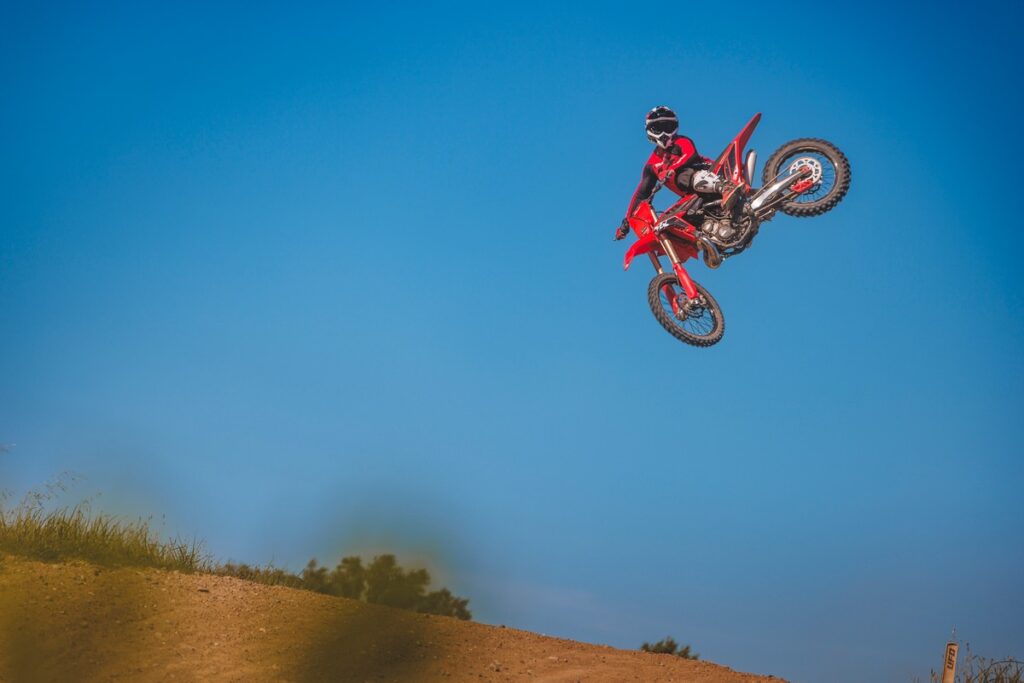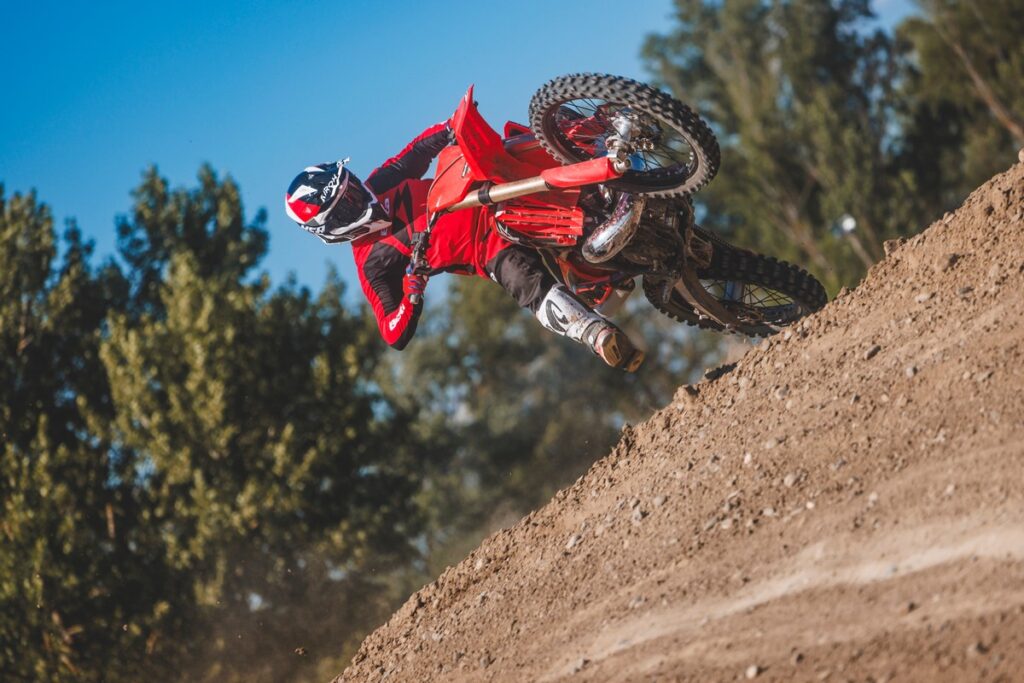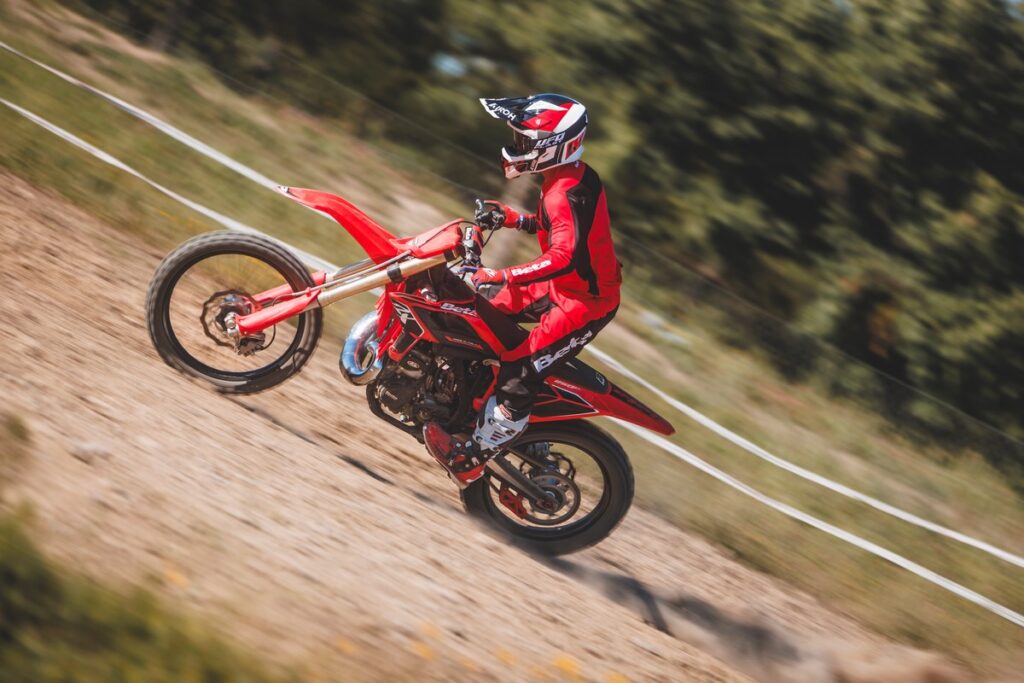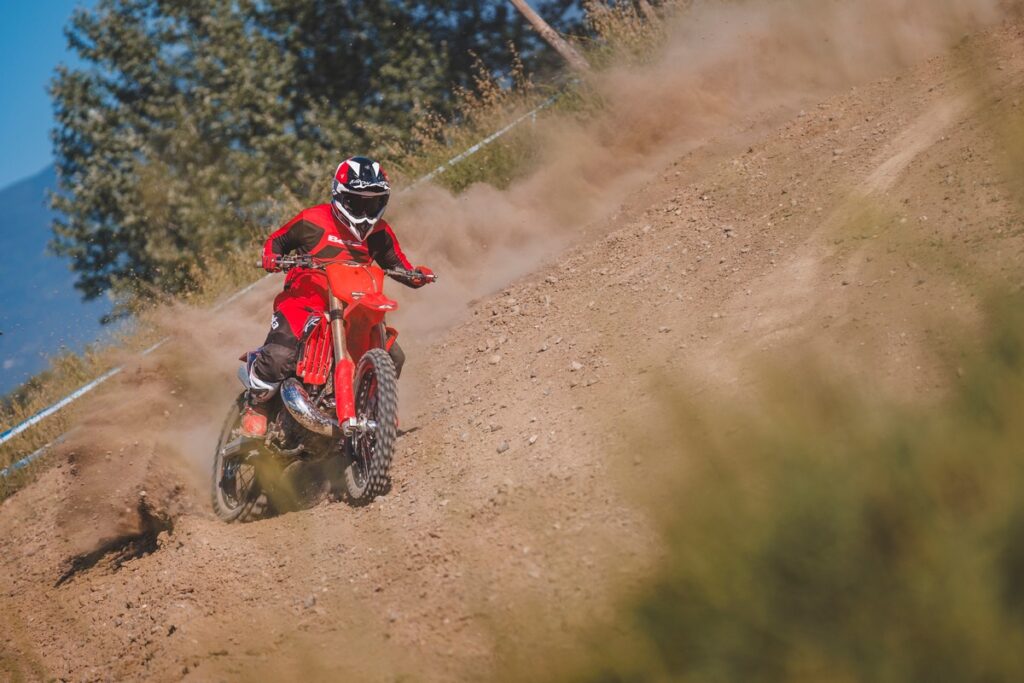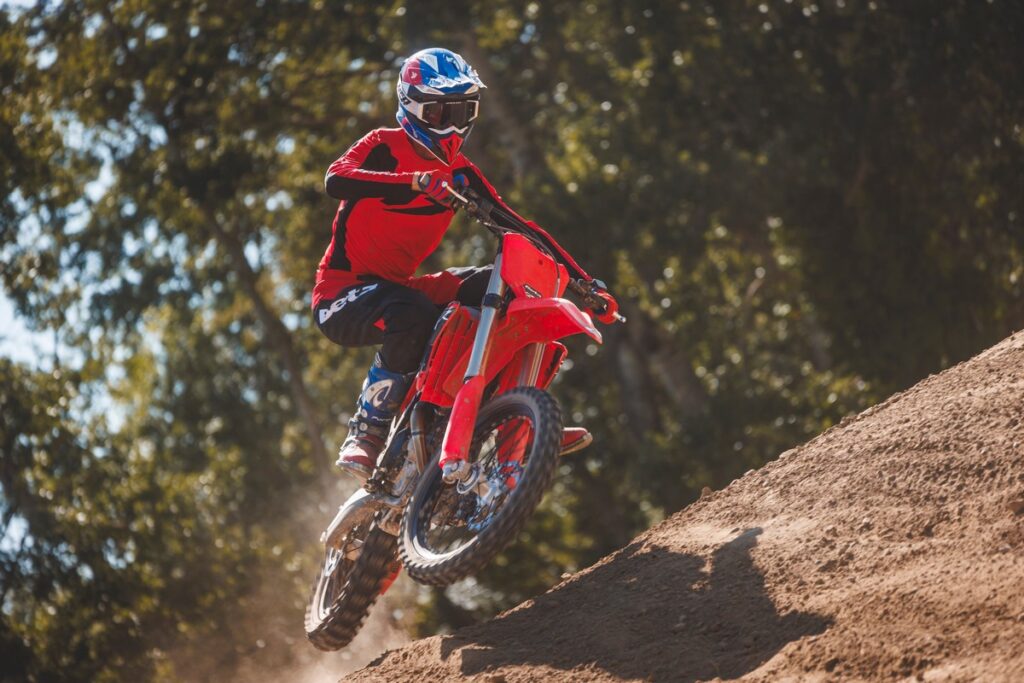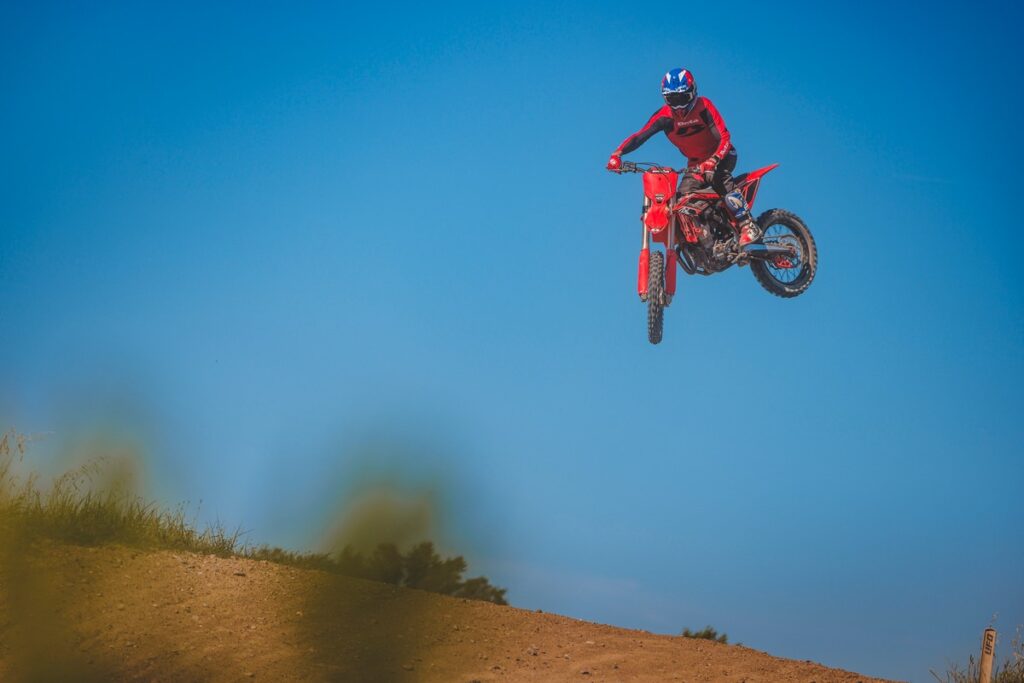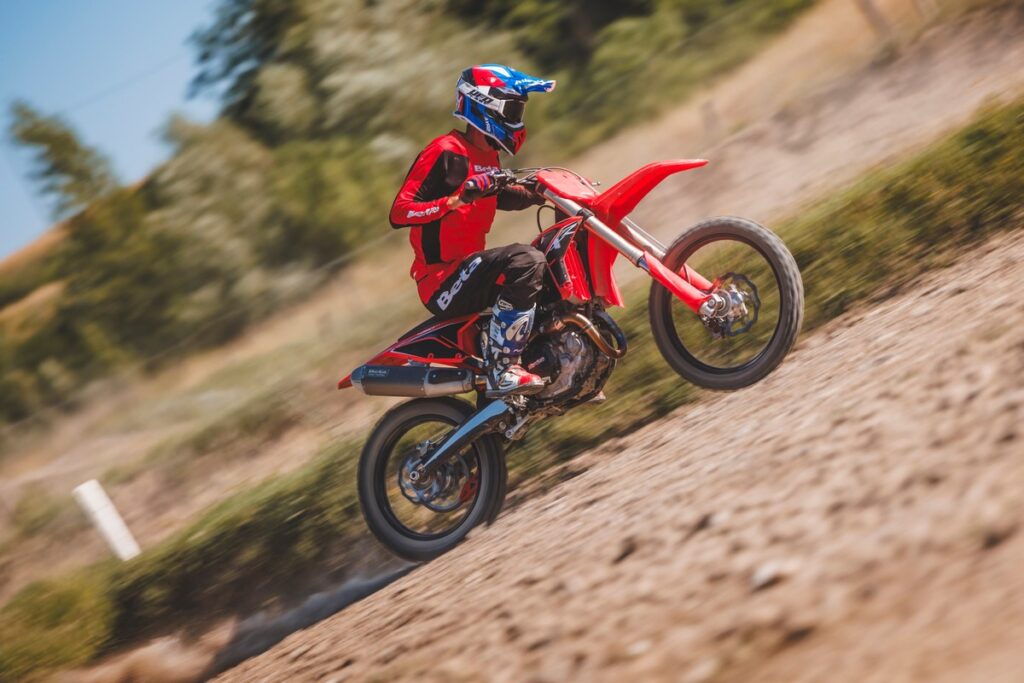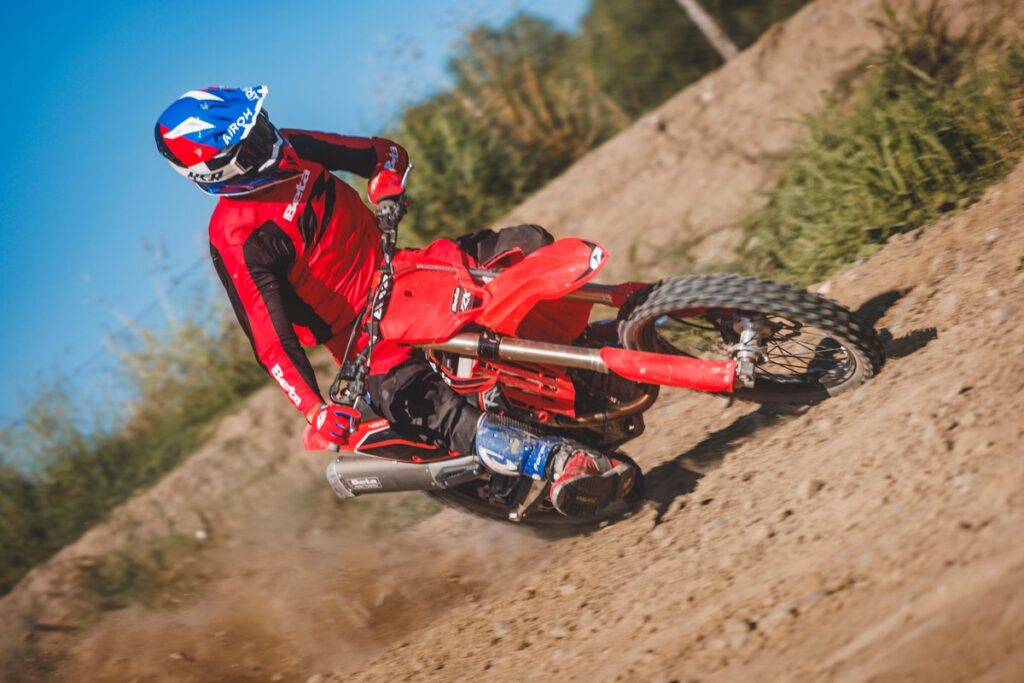
The Art of RideAbility in the MX World
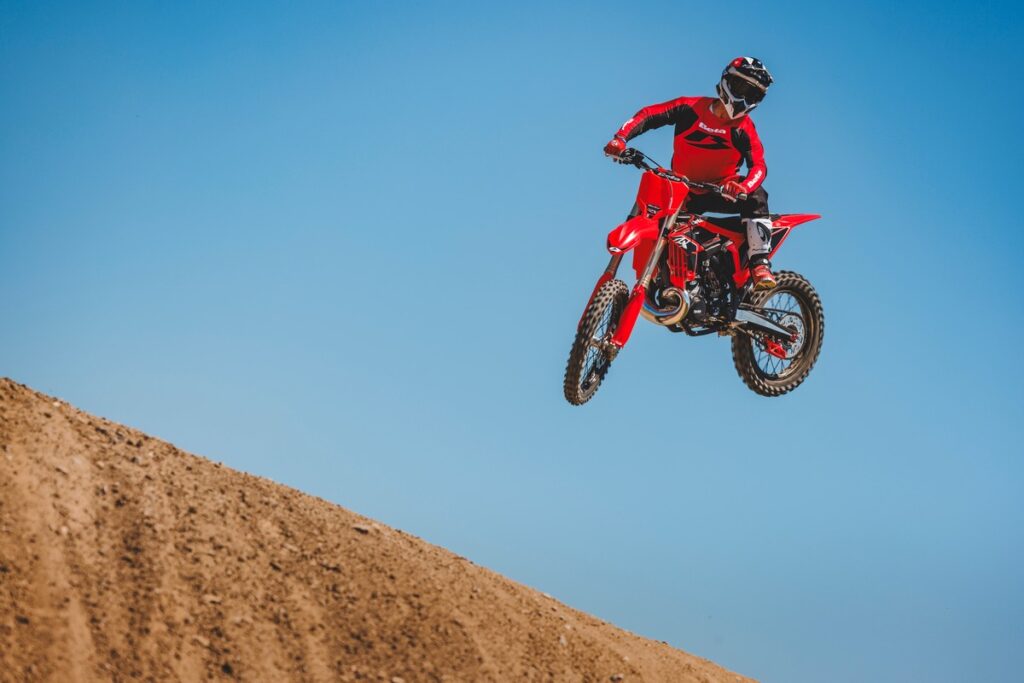
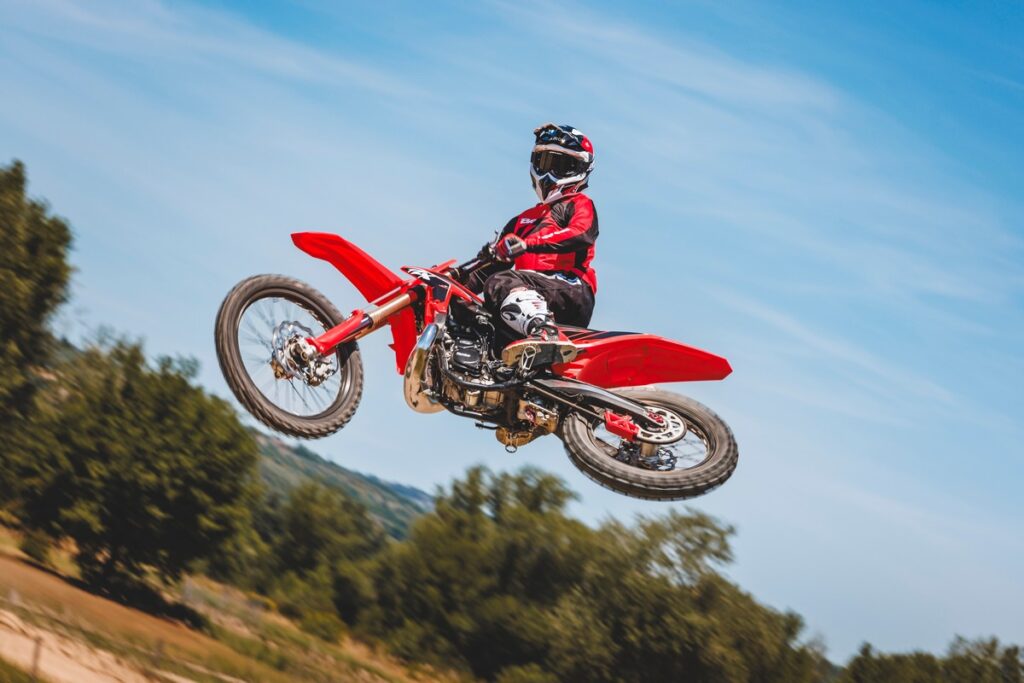
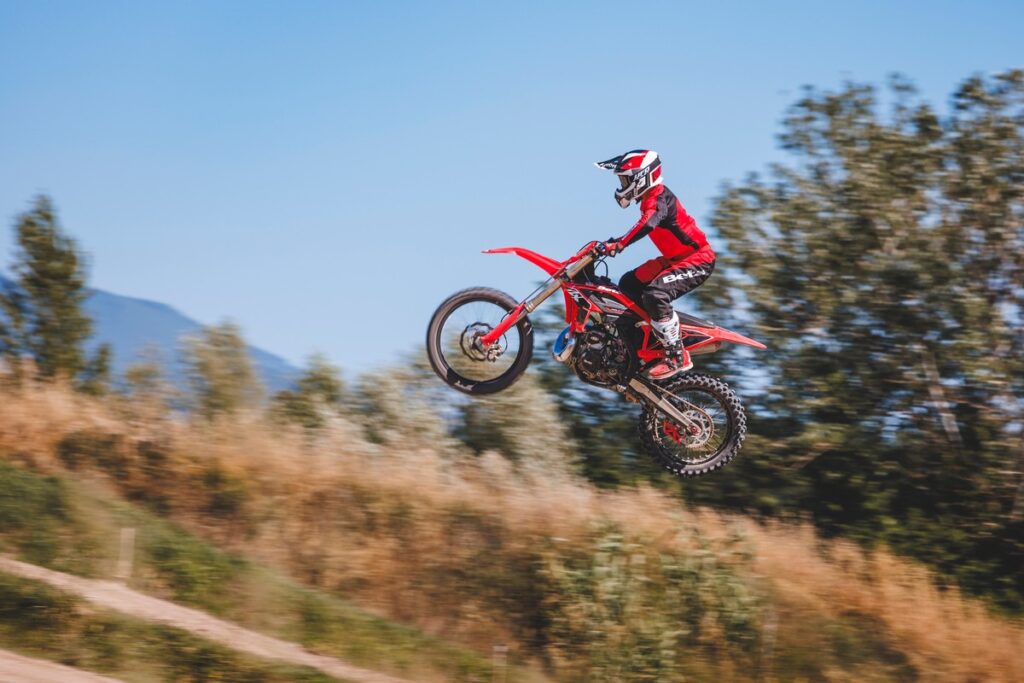
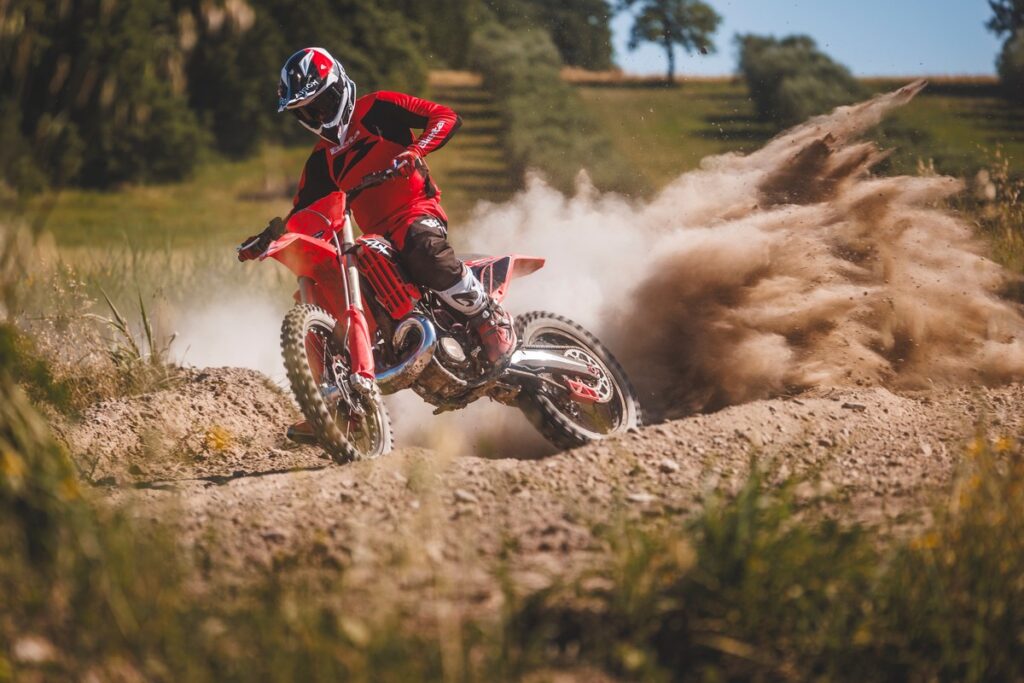
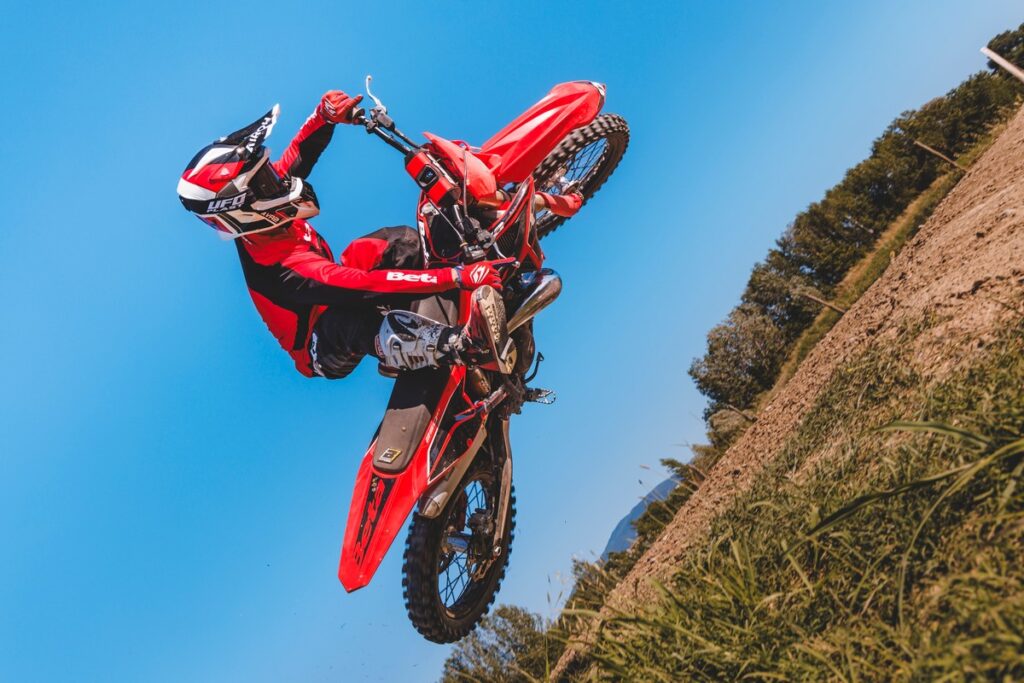
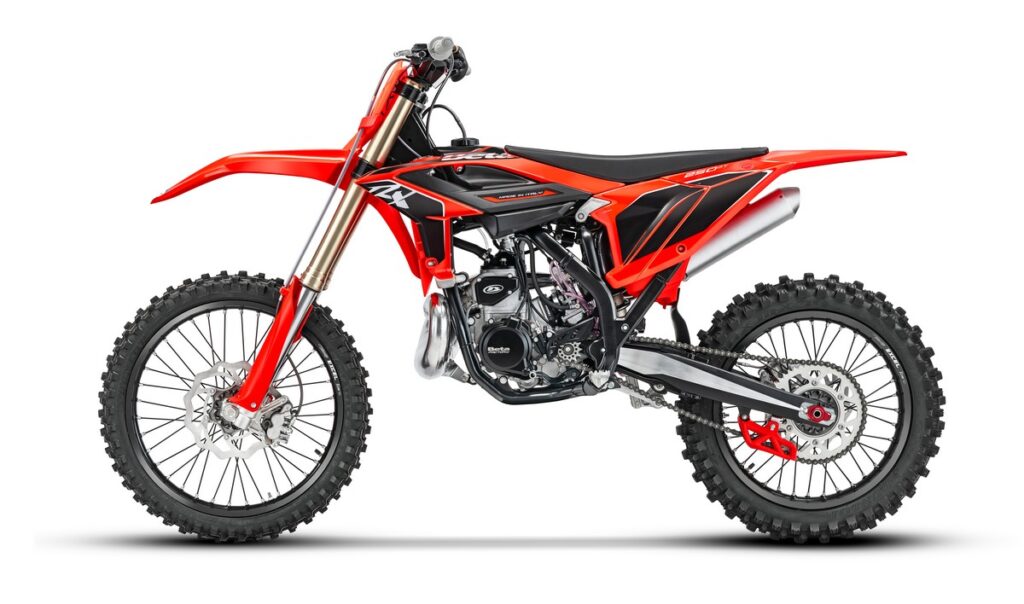
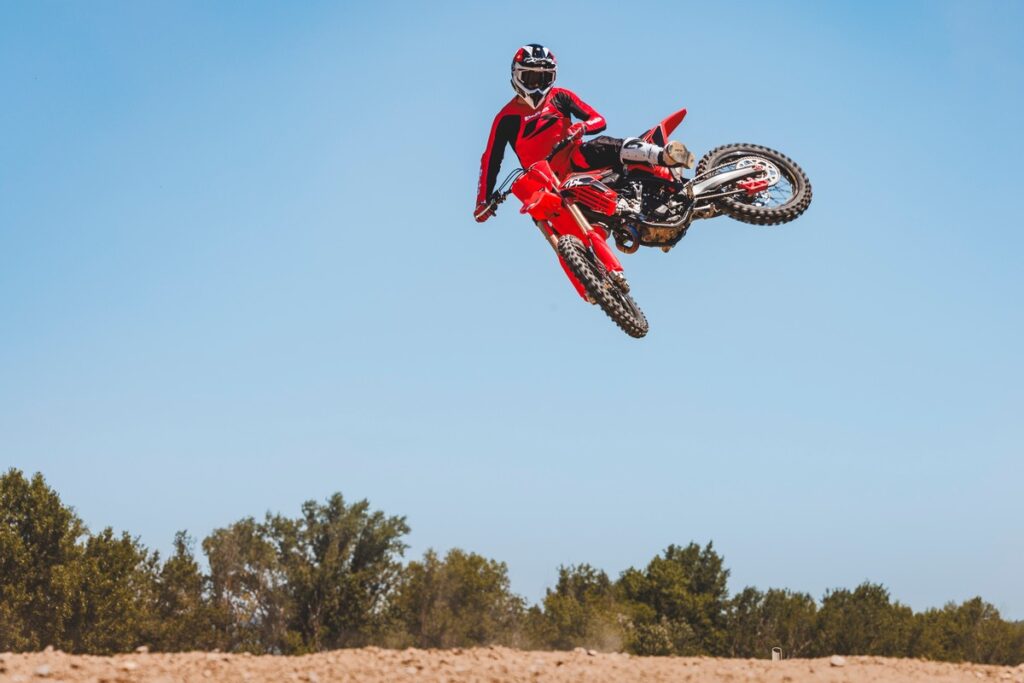
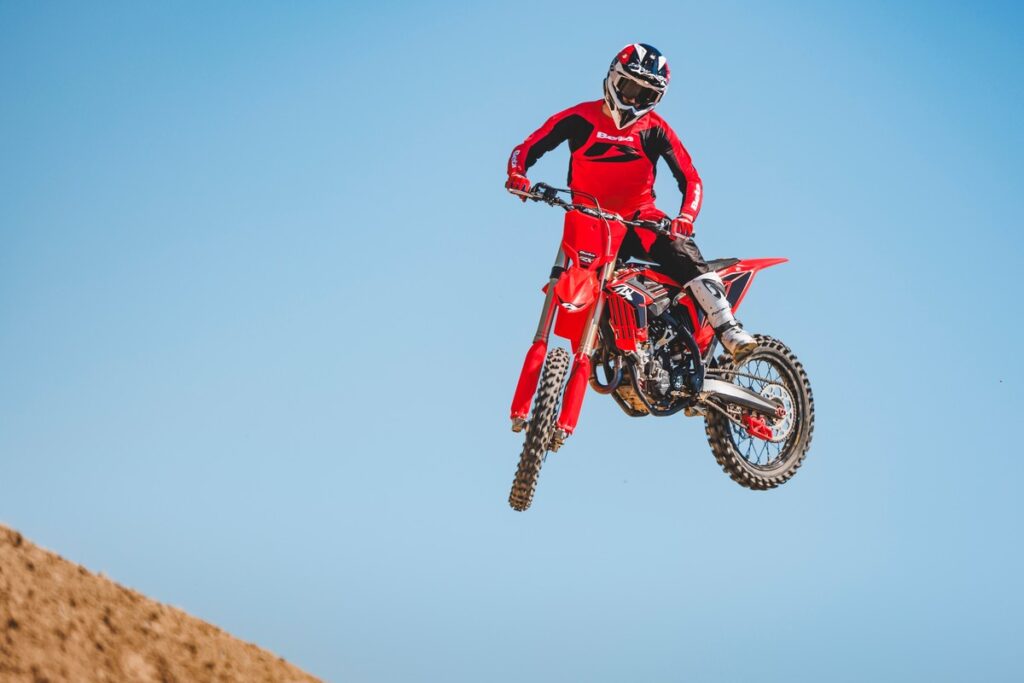
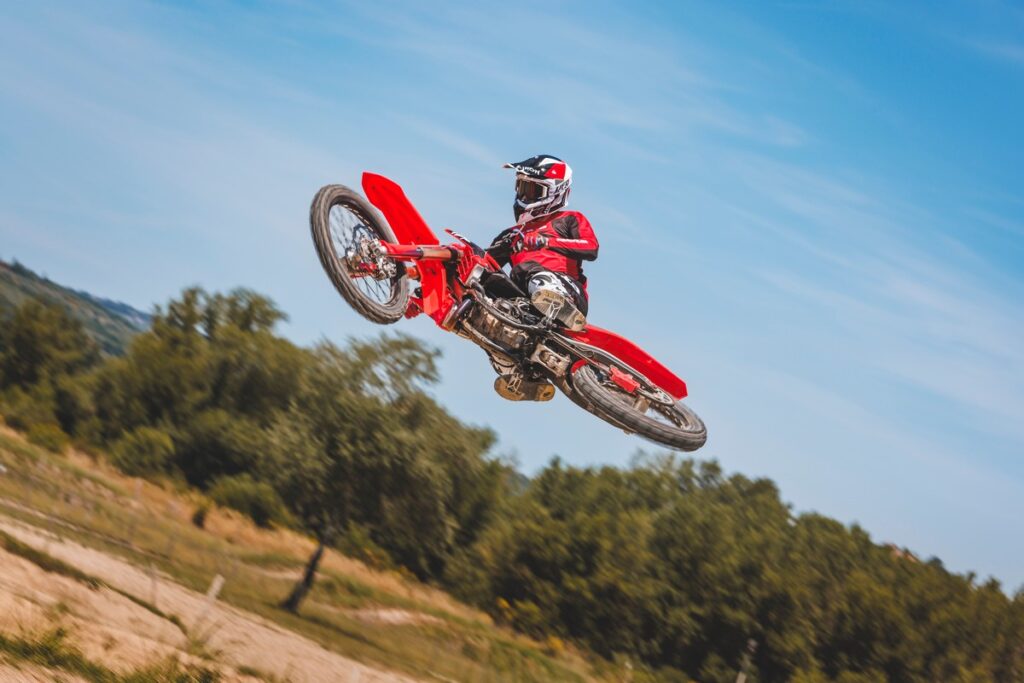
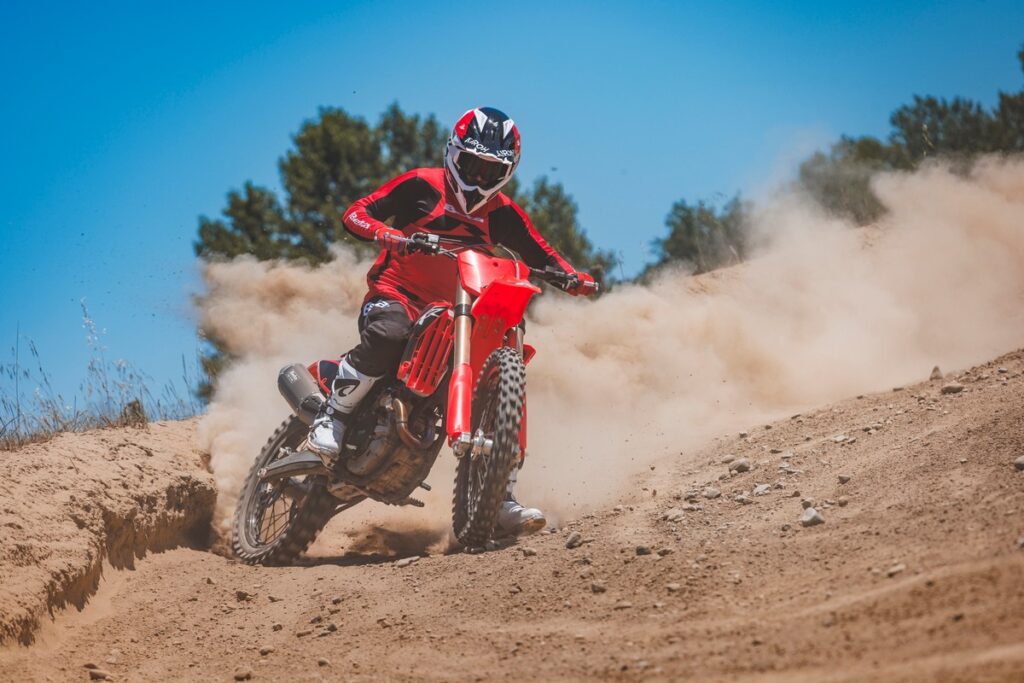
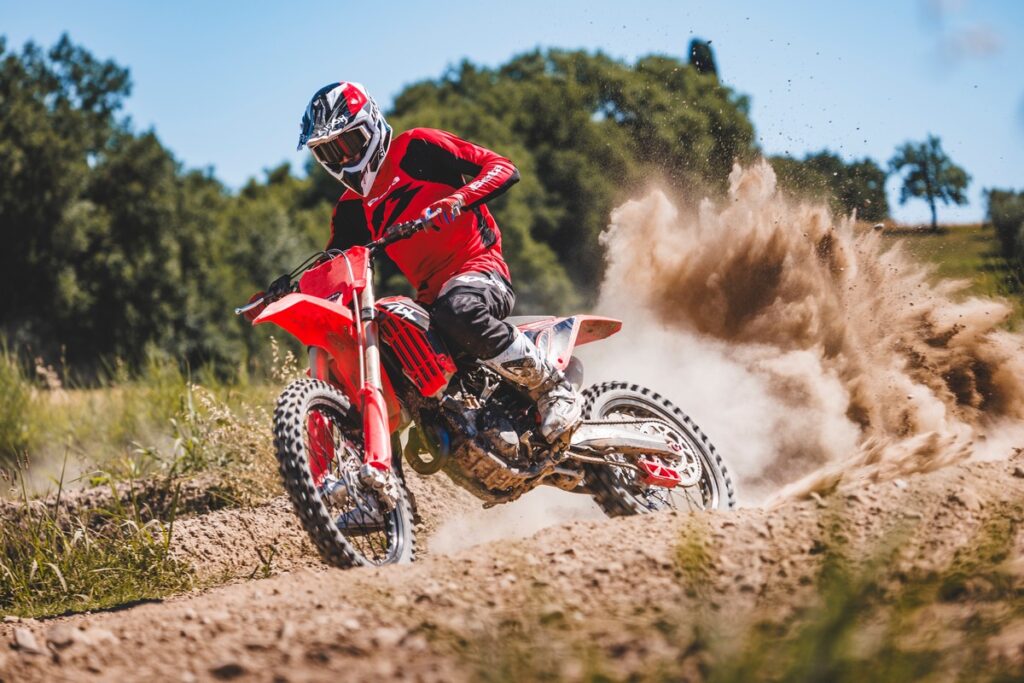
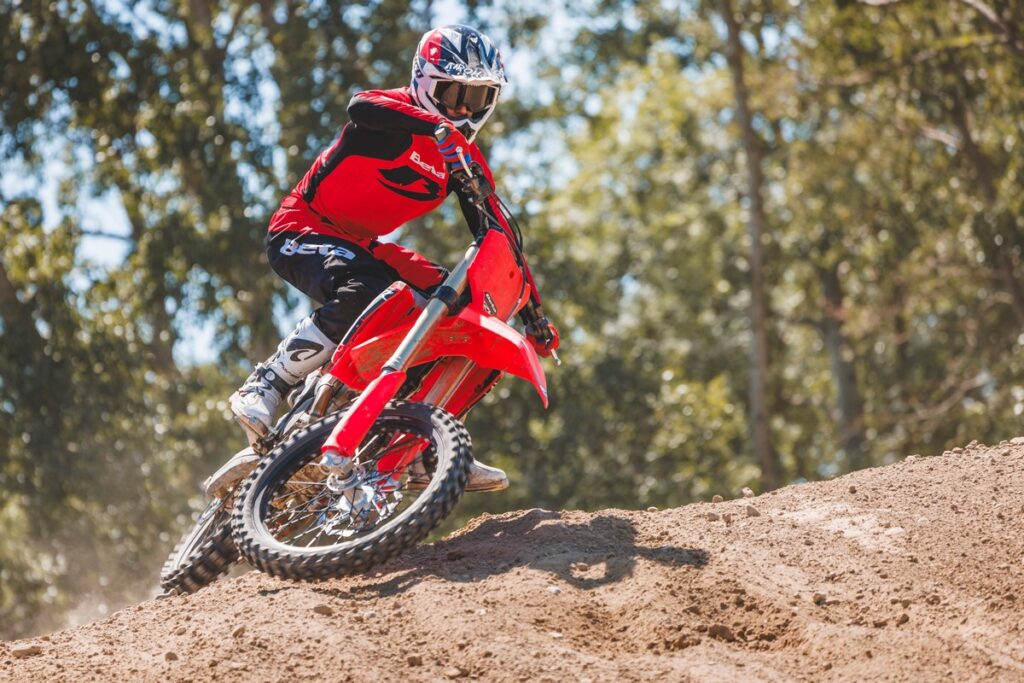
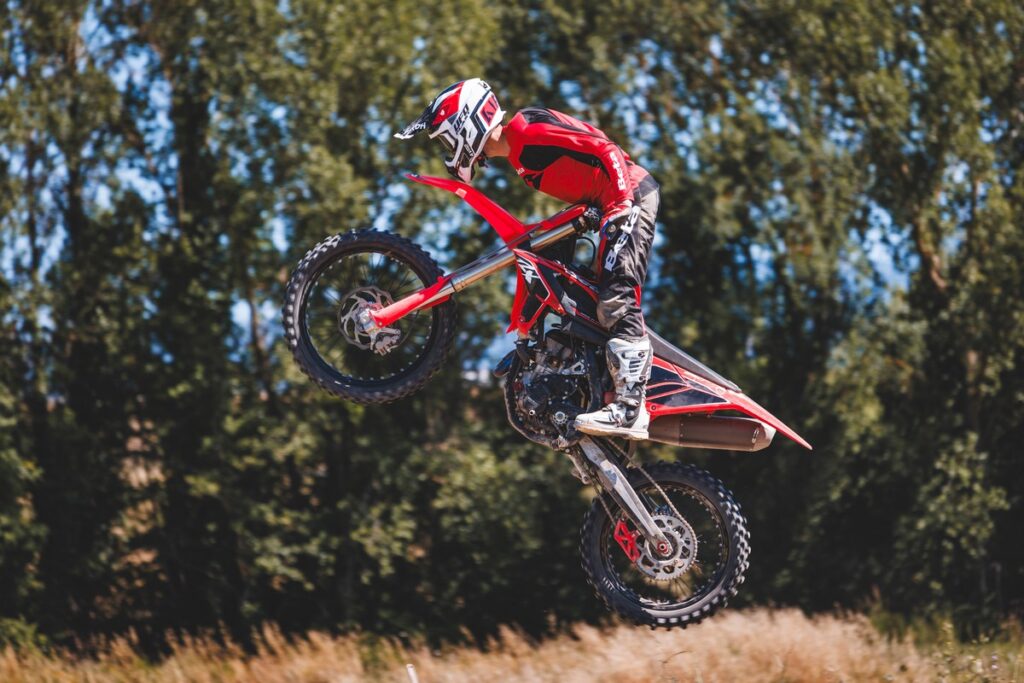
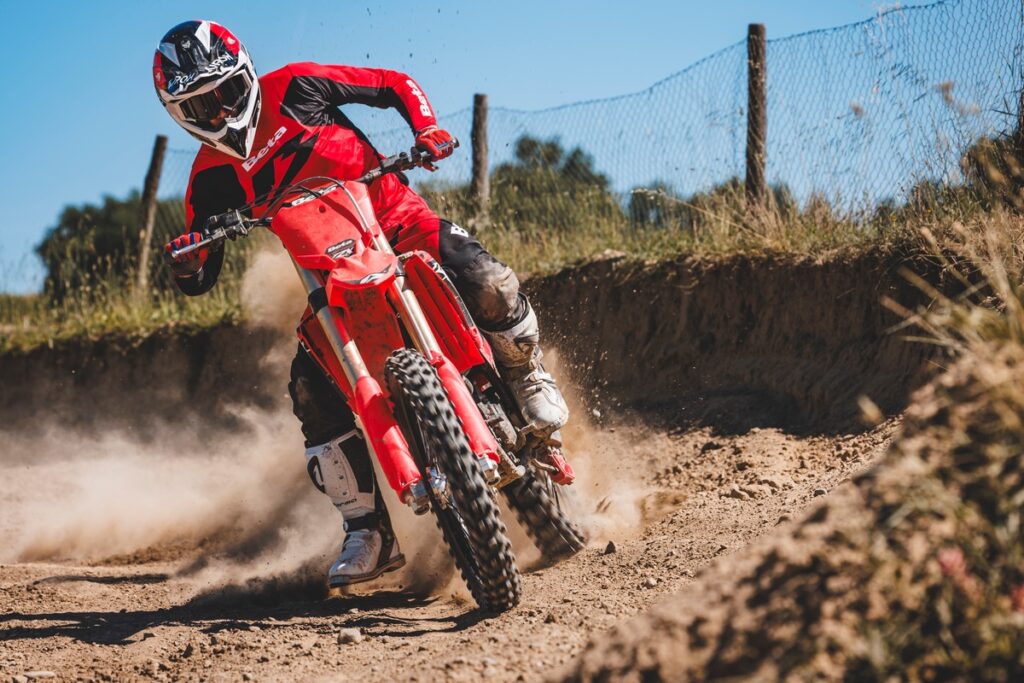
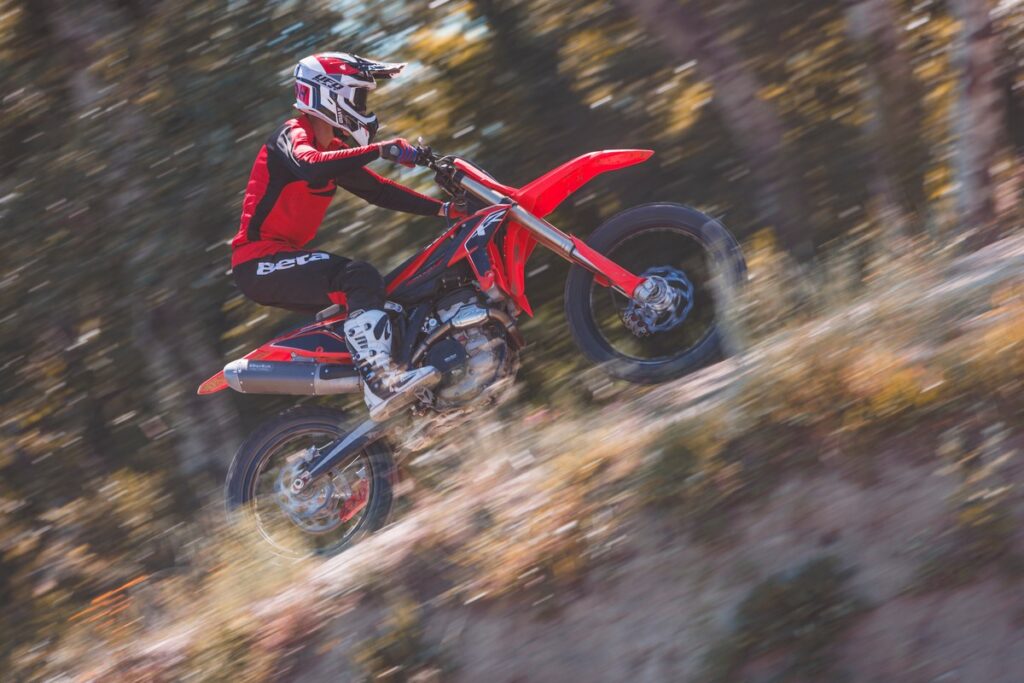
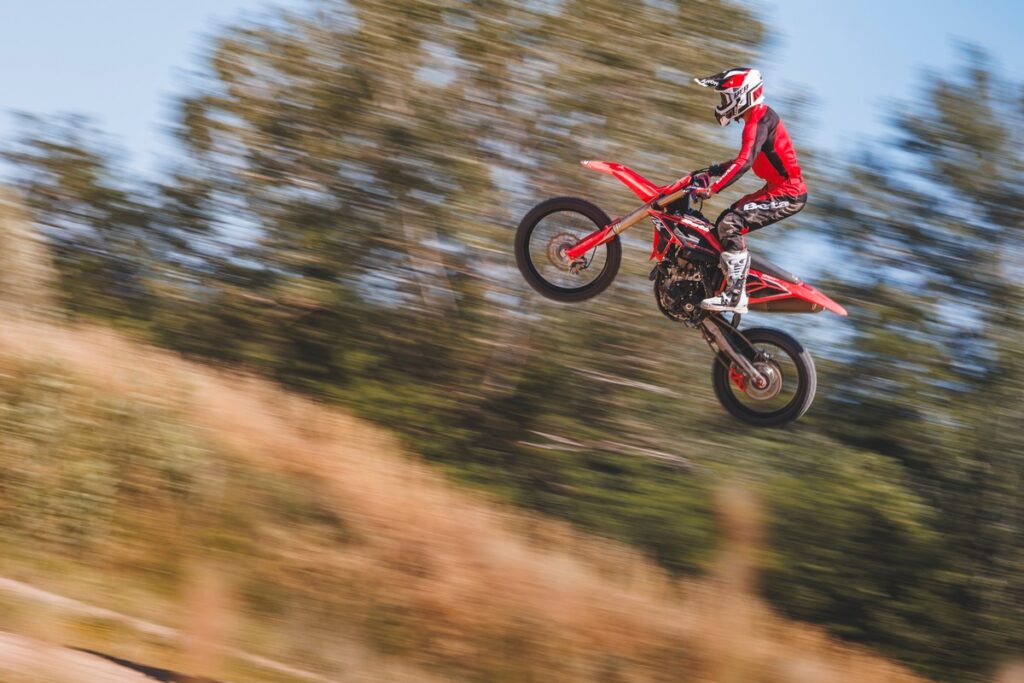
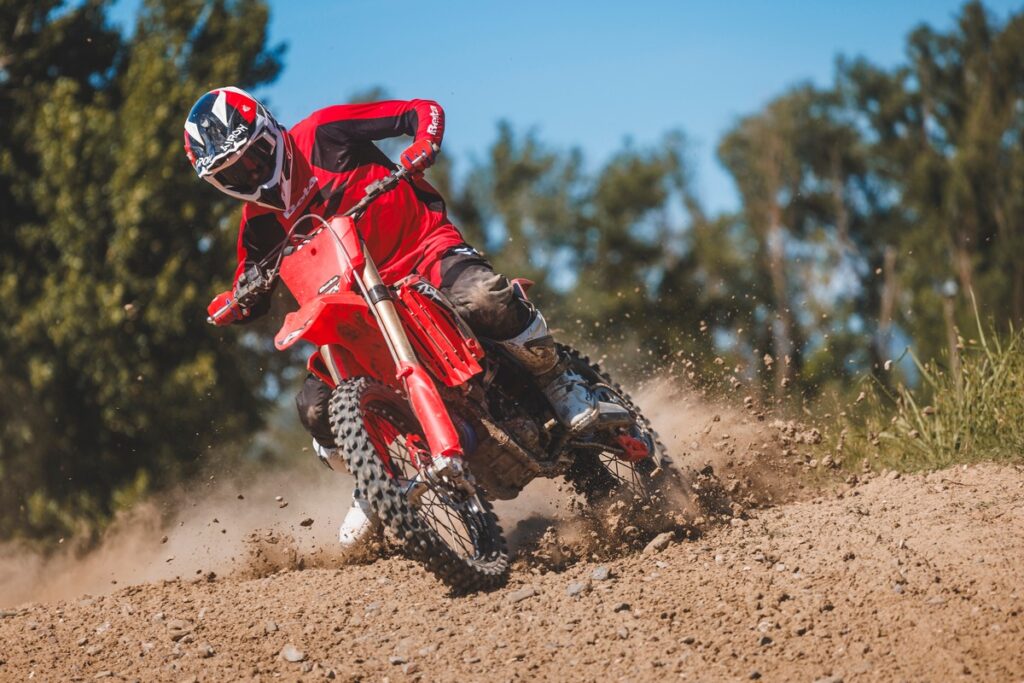
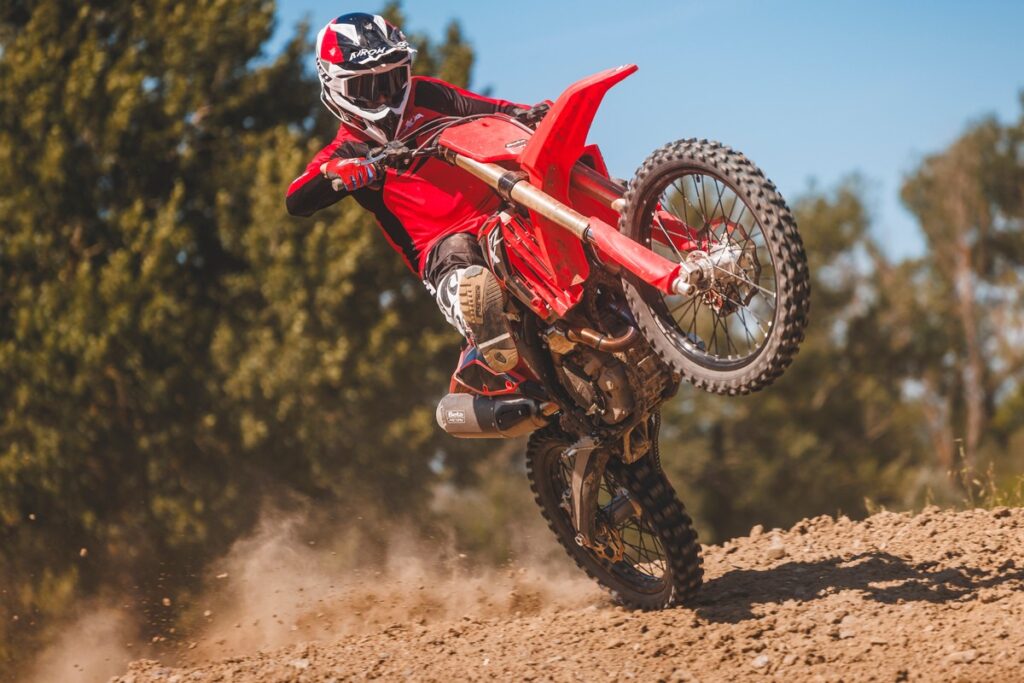
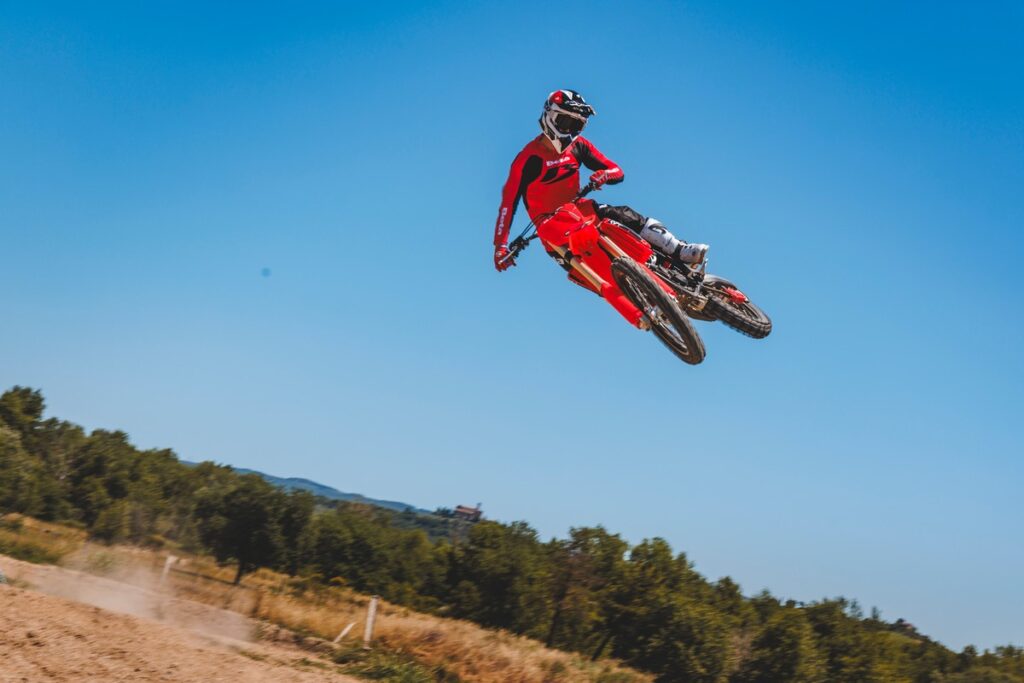
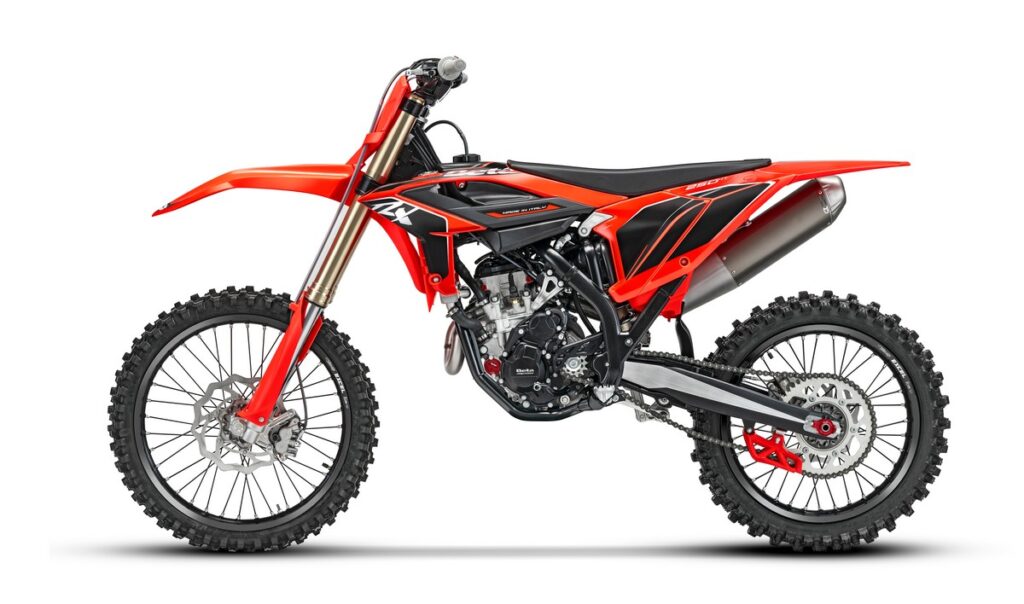
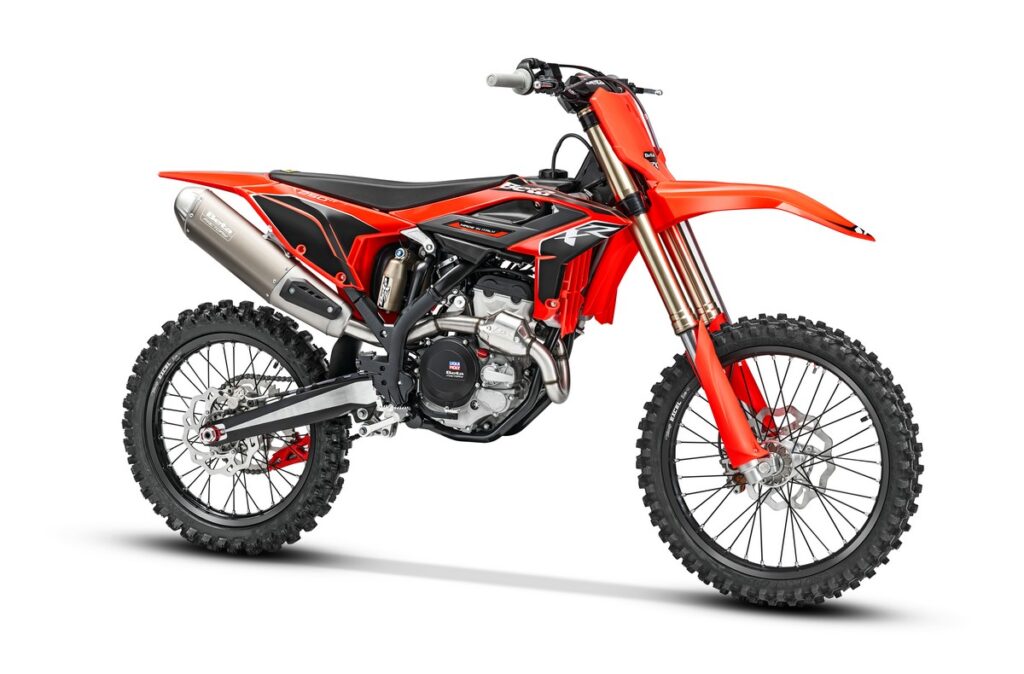
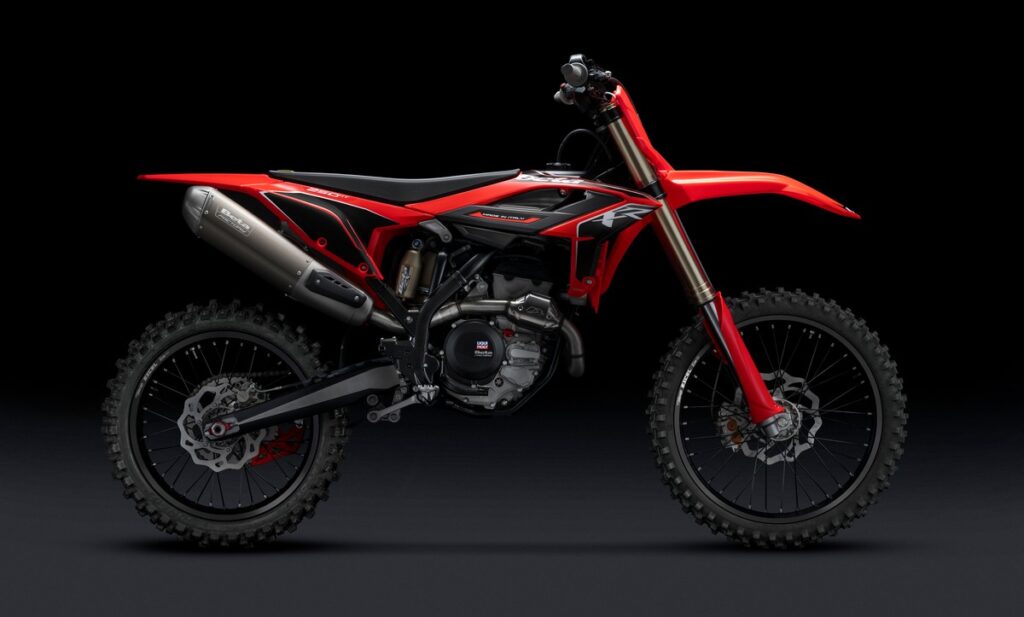
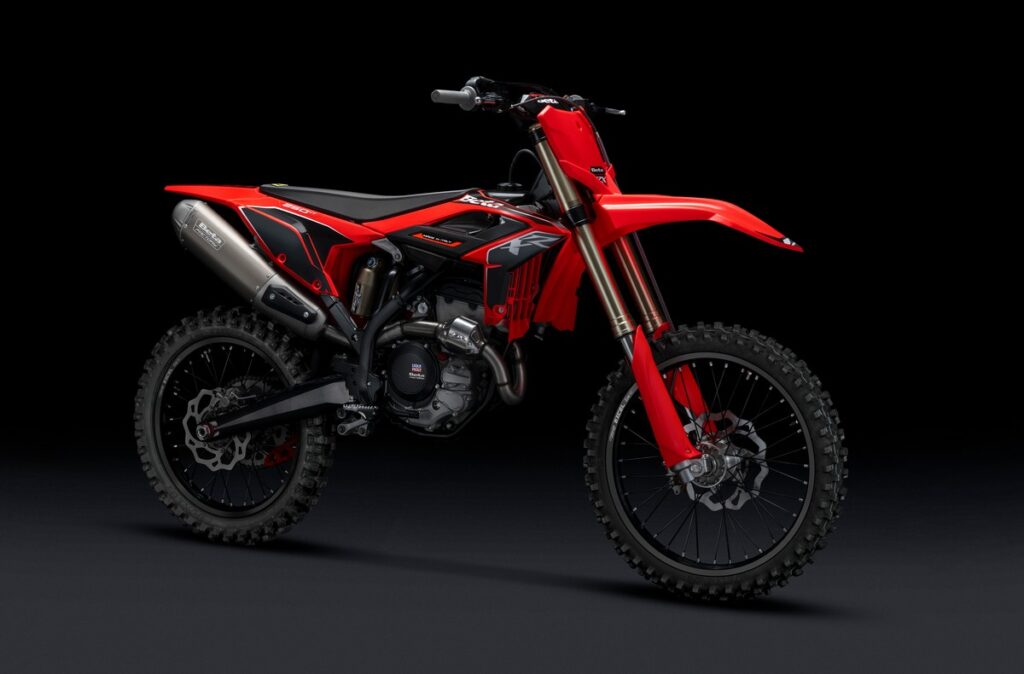
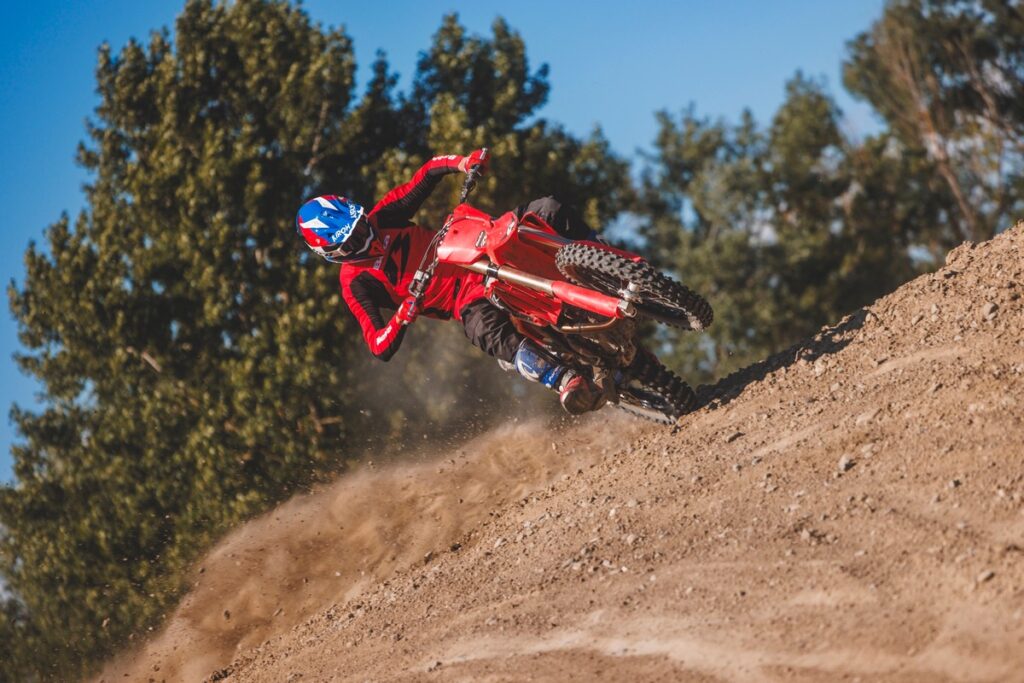
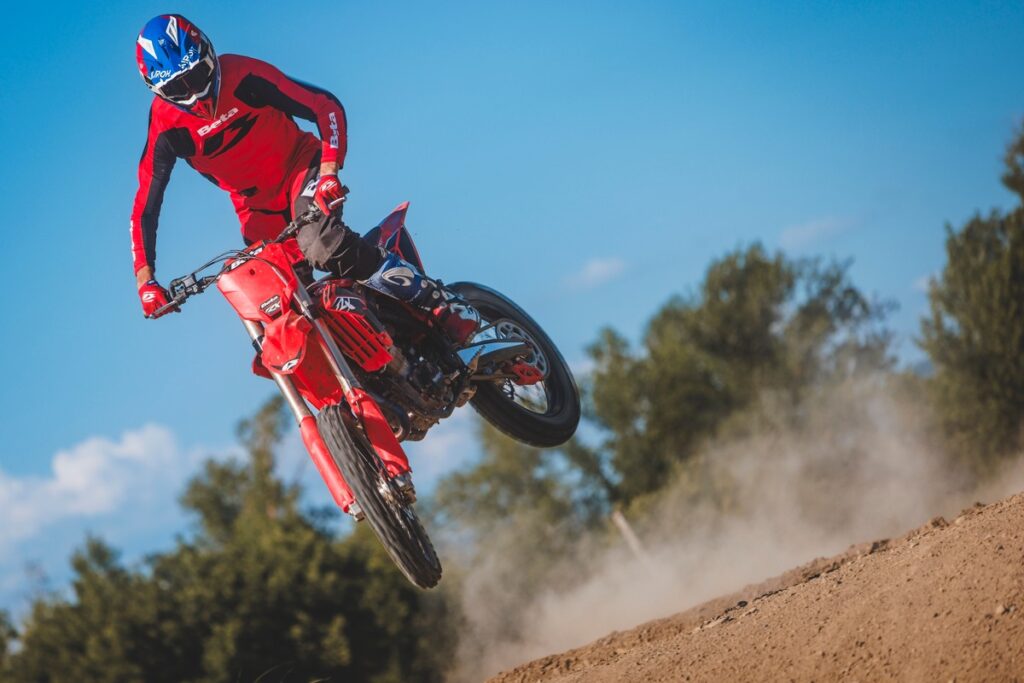
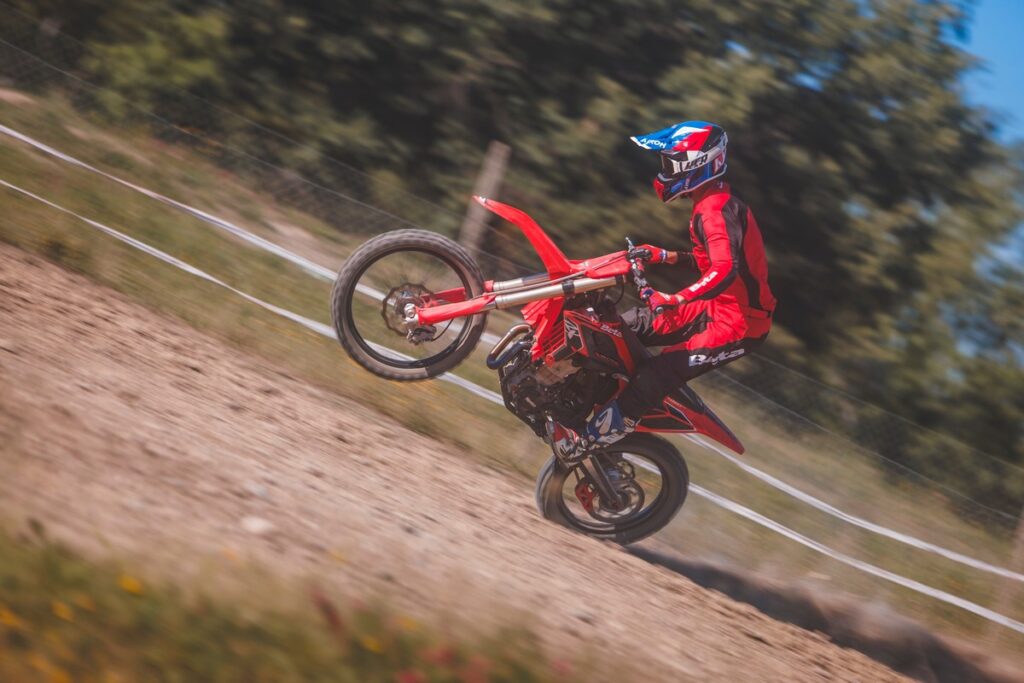
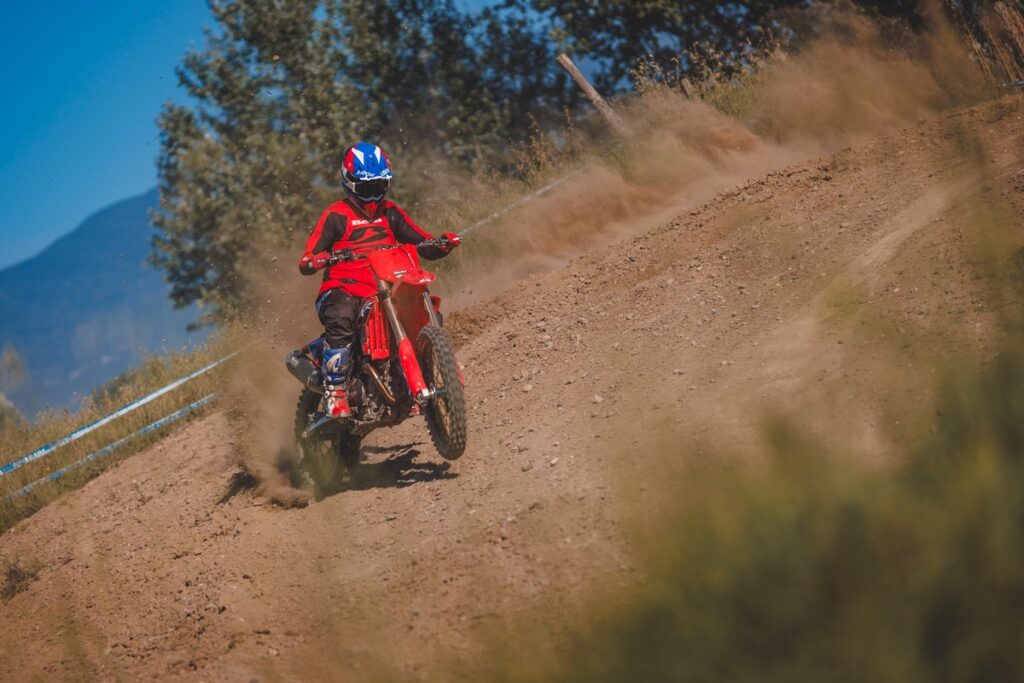
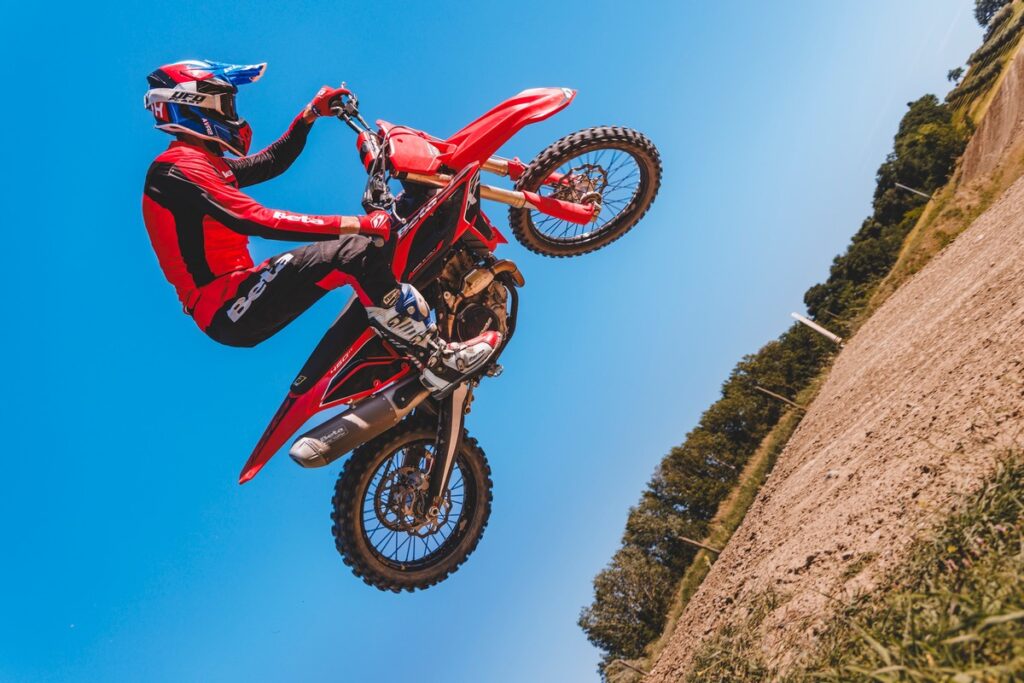
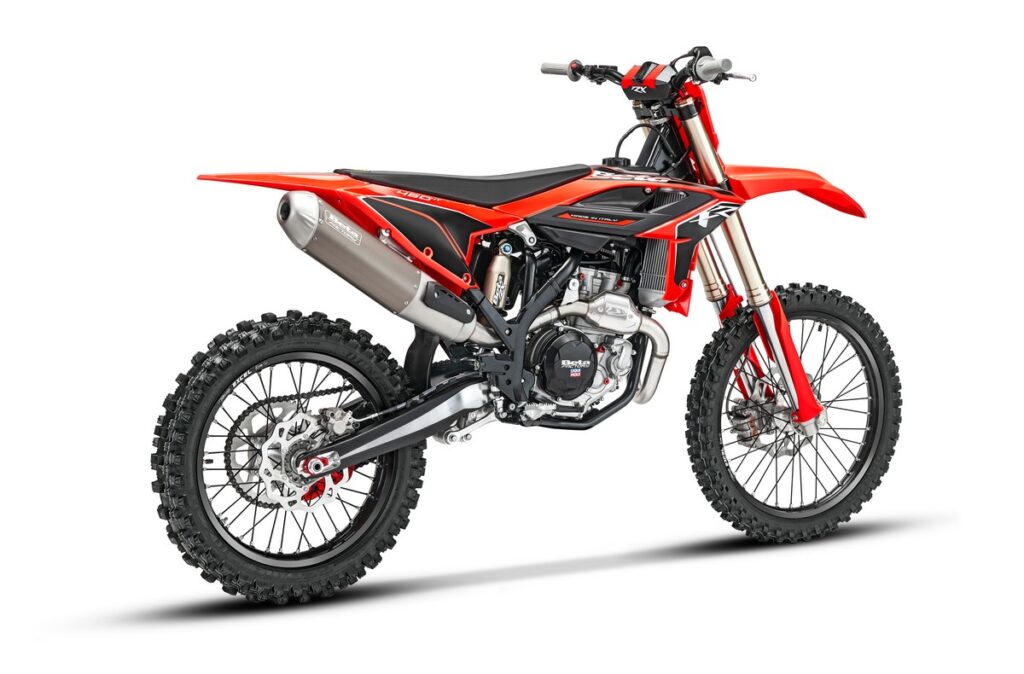
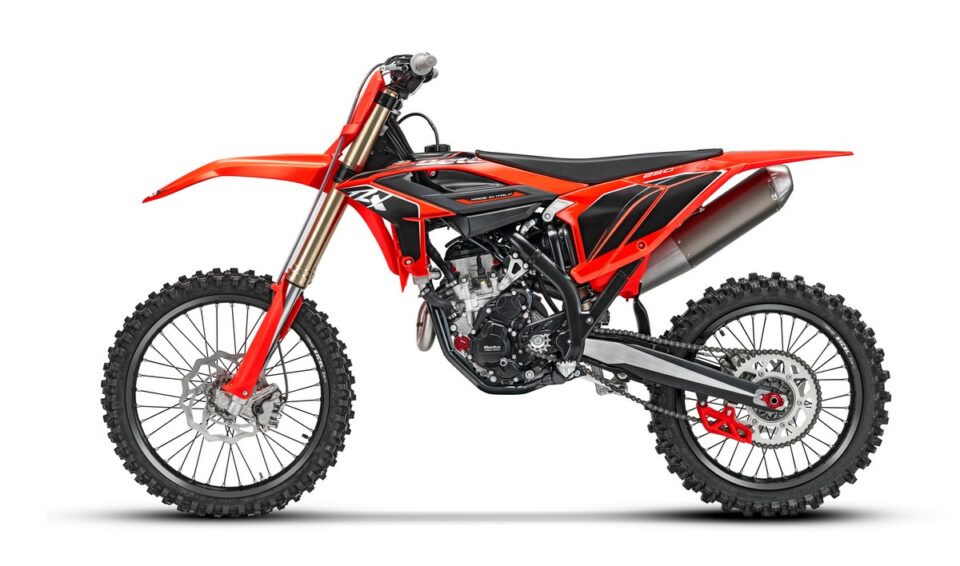
The moment so eagerly awaited by motocross enthusiasts has finally arrived: after making its debut on the MXGP and other racetracks in 2026, a new model officially joins Beta’s motocross range. It is the new RX 250 4T.
Since the launch of the RX range, specifically designed for motocross, the 250 4T’s development has undergone rapid and continuous evolution, with the goal of creating a competitive model that shares the trademark RideAbility experience. A journey that demonstrates the Tuscan manufacturer’s strong confidence in this segment, now represented by a complete and versatile line-up, capable of satisfying an ever-wider audience with four different MX models available for MY 2027.
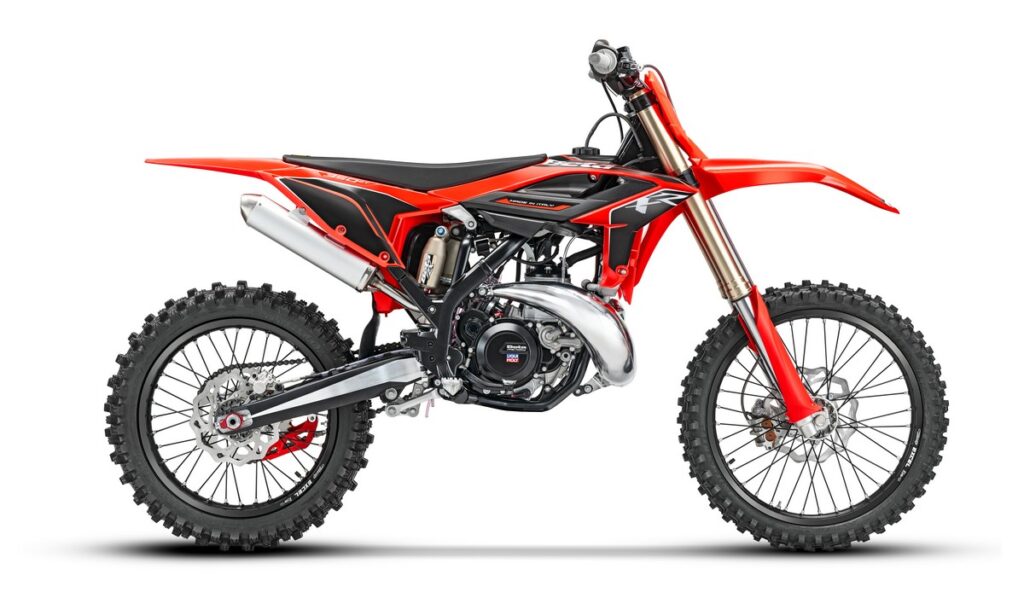
With the all–new RX 250 4T comes many new components and design, a completely new bike in terms of both chassis and engine, which now joins the established RX 450 4T, whilst the RX 350 and 250 2T, introduced in the previous model year and already highly appreciated, remain the stars of the two-stroke range.
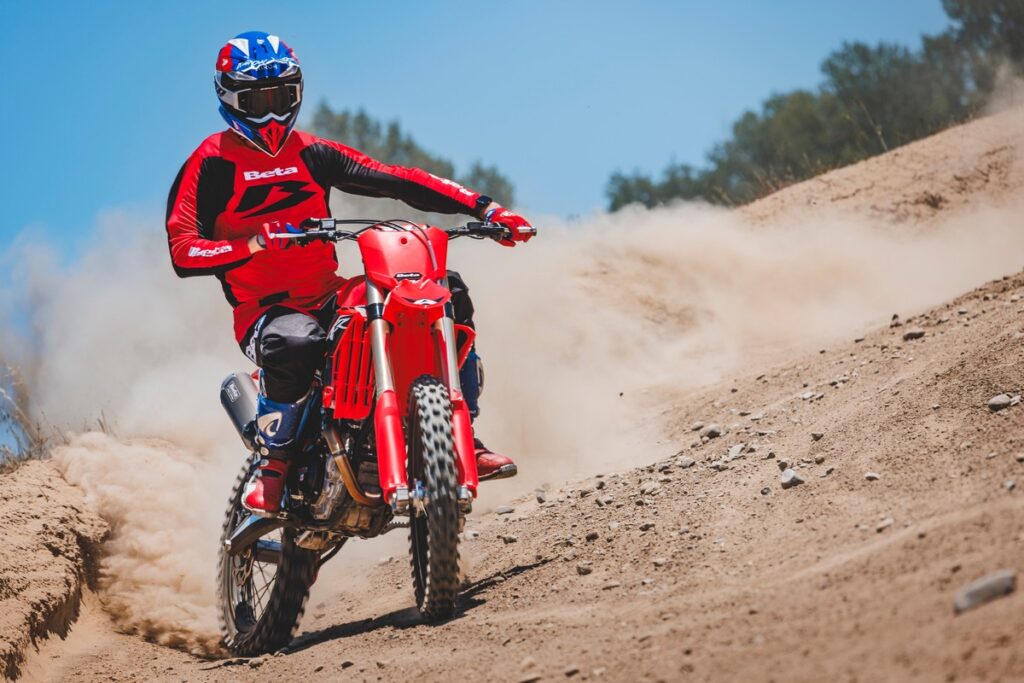
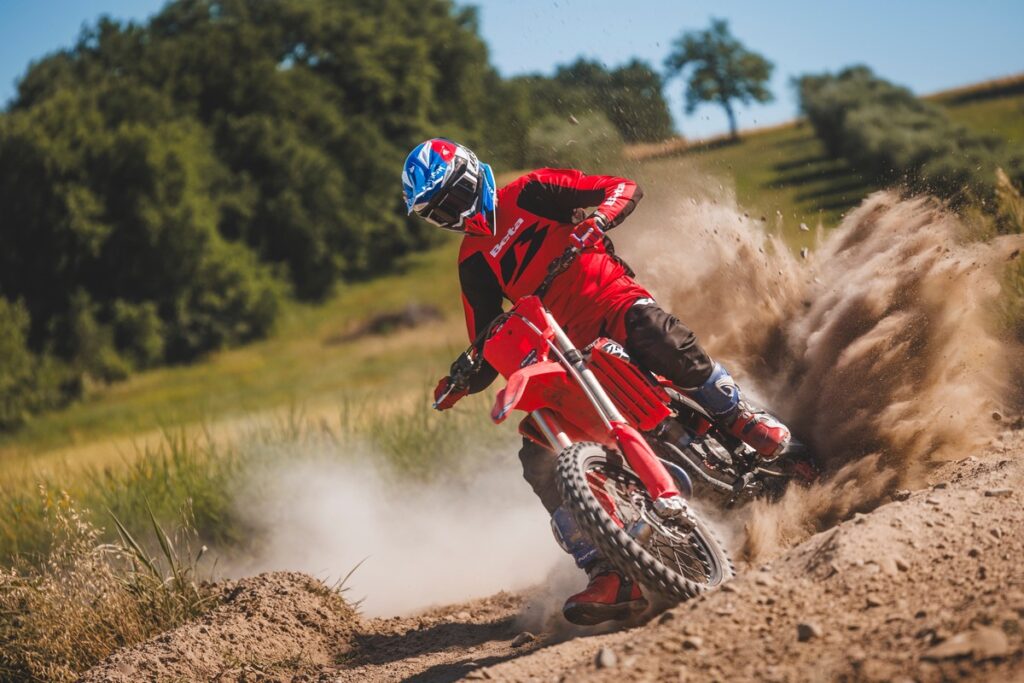
The only element to remain unchanged is the design philosophy that guided the development of the project, this is that every Betamotor-branded motorcycle is designed to offer everyone a bike that is both easy to ride and high-performing. A product capable of bringing out the best in every rider, thanks to an engine-chassis combination that delivers enjoyment without ever making the rider fear the engine’s performance, making rideability its core value. In a word: RideAbility.
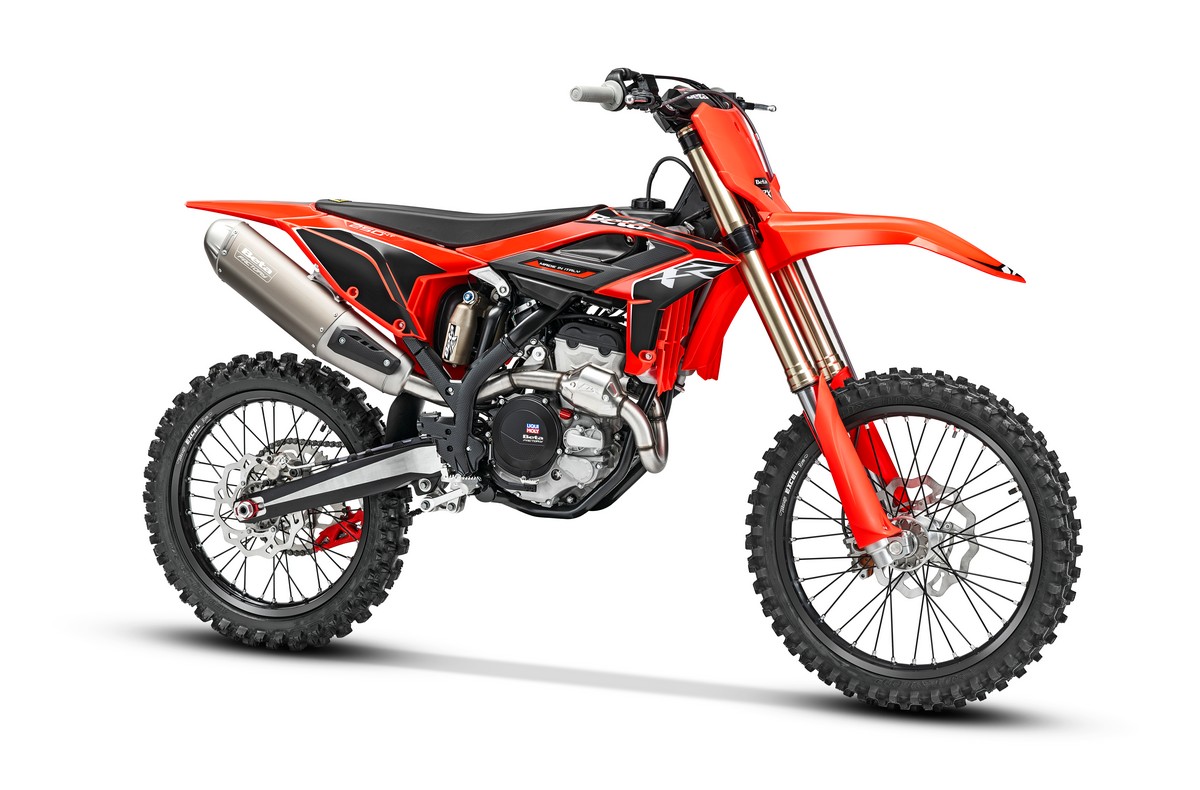
RX 250 4T
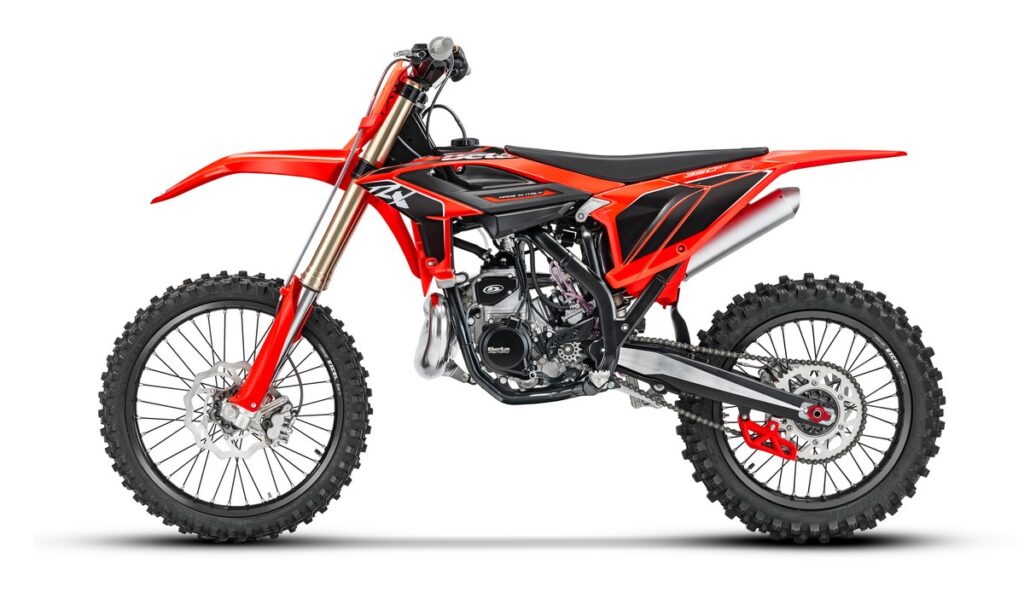
The new RX 250 4T was created with a specific goal in mind: to dominate racing on the world stage while at the same time, provide a bike that is perfect for the weekend racer or play rider that only Beta can offer, RideAbility! Offering motocross riders a race-ready bike developed to complement the already popular two-stroke model, expanding Beta’s range in the 250cc segment and meeting the needs of those riders who prefer the riding characteristics of a four-stroke. Substantial yet progressive power delivery, high traction, excellent handling and great ease of power management make the RX 250 4T an ideal choice for those seeking top-level performance combined with riding precision and consistent usability in all riding conditions.
The design of the RX 250 4T is entirely new compared to the models already in the range and differs from them in many technical solutions specific to this model.
Engine: the all-new 250cc engine features a DOHC (Dual Overhead Cams) with the cam chain positioned on the right-hand side, making this engine have a different look from its big brother 450 RX showing that this project is in-fact all new. The timing system uses a quiet, low- Morse-type chain driven by a gear linked to the water pump shaft; the tensioner is hydraulic and ensures effective damping of noise and vibration, whilst the compact layout guarantees reliability even under the most demanding conditions and RPM levels.
The aim was to set a new benchmark in the category for the balance between overall size and performance. Great attention was paid to the compactness of the engine block, with an in-depth study of the arrangement of all its components to optimise mass centralisation and achieve unrivalled handling of the bike.
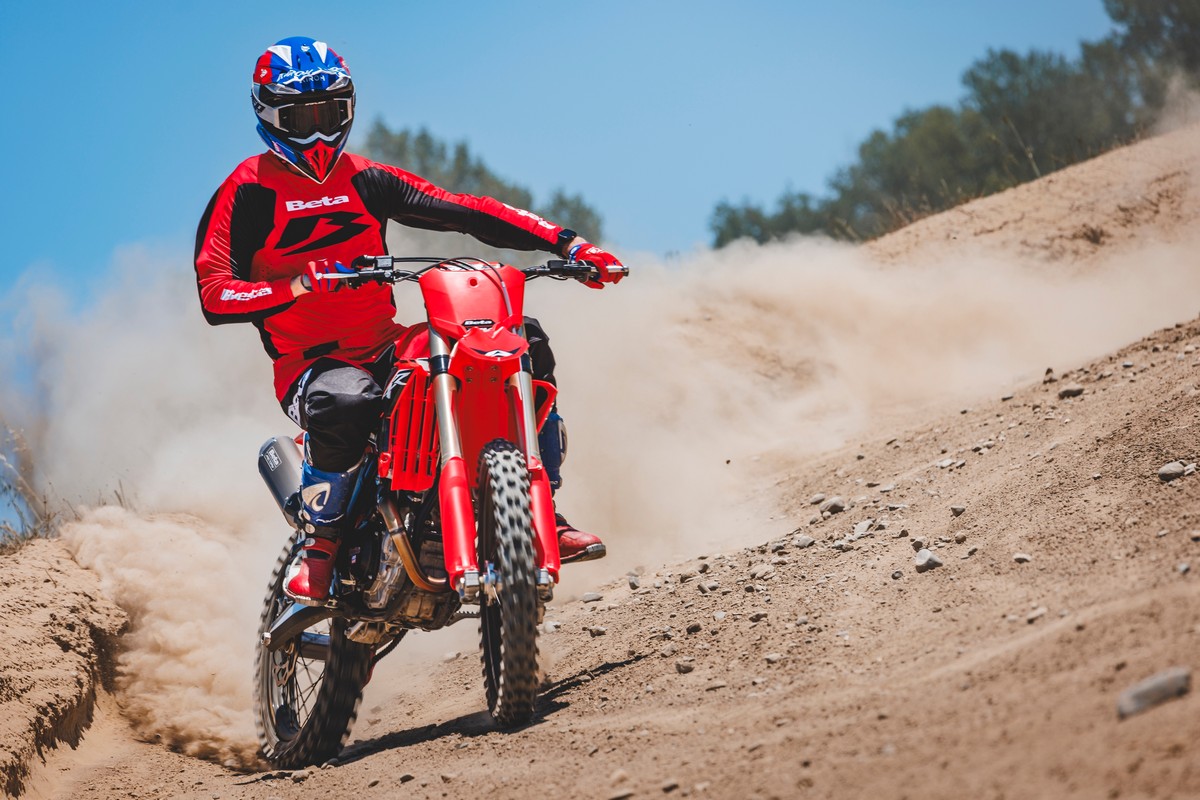
The result is an extremely compact and lightweight unit, offering a significant weight advantage: approximately 1.5 kg lighter than the current standard set by competitors in the same category. To achieve this, Beta’s engineers worked on every possible aspect, such as:
- Main engine cases which, thanks to a special aluminium die-casting process, have an extremely reduced thickness without compromising overall strength.
- Magnesium alloy engine covers, as well as the cylinder head cover, again with the aim of keeping weight down.
In terms of performance, the new engine ranks among the best in its class, thanks in part to the use of sophisticated technical features such as the dual injection system, with injectors positioned on the throttle body and on the airbox sleeve. This configuration allows for optimal management of the air-fuel mixture across the entire RPM range, improving response at low revs whilst ensuring a strong and usable power delivery at high revs. The top of the rev counter has been set at a very high rpm, highlighting the model’s decidedly racing-oriented character. Reaching these rpm levels has necessitated the use of high-performance components capable of maximising performance without compromising reliability, including:
- Crankshaft, which utilises crankshaft journals made from dedicated forged steel (supported by two roller main bearings).
- A forged connecting rod that utilises a plain bearing at the engine head to withstand the high specific pressures and high rotational speeds. All this is aimed at optimising inertia, balance and structural strength.
- Piston with box-in-box architecture similar to what is used in F1 engines.
Gearbox and clutch: derived from the tried-and-tested solution used on the RX 450, it features 7 friction disks and 6 steel disks, with a new integral bell housing fitted with primary driven gears and an updated hydraulic actuation unit. The 5-speed gearbox, completely redesigned for this engine, features optimised geometry to reduce weight and size without compromising strength, resulting in a lightweight, compact, reliable and quick-engagement unit.
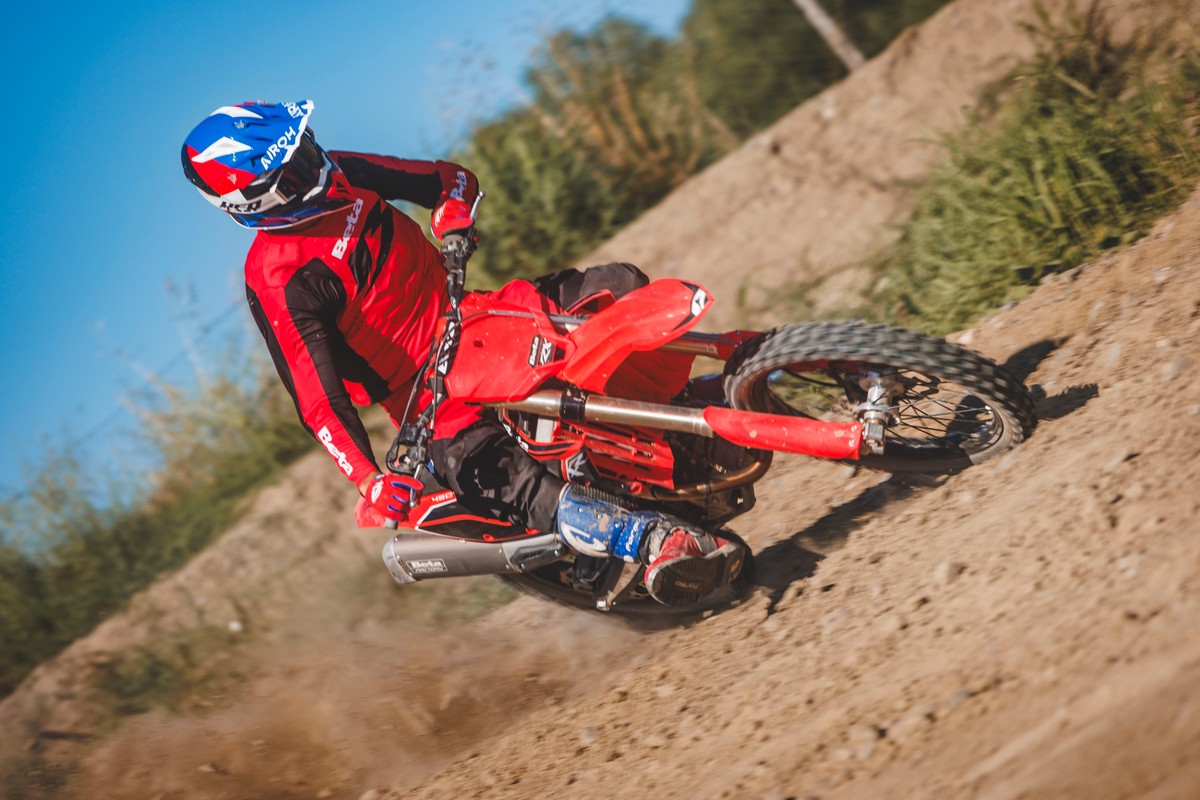
Great attention has also been paid to the cooling system, which has been designed using CFD analysis (A computer simulation process used to predict how liquids and gases flow and transfer heat around or through objects) to optimise heat exchange and minimise pressure drops. Unlike the RX 450’s, this system adopts a closed-type impeller to improve coolant flow whilst maintaining minimal dimensions and high flow efficiency, as well as avoiding external piping.
The package is completed by:
- Electric Start
- Single oil supply for the engine and transmission
- Exhaust system designed exclusively to optimize the engine’s power output
Electronics: For the first time on a Beta 4-stroke motocross bike, systems directly derived from racing are introduced. Specifically:
- Launch Control (5 levels)
- Quick Shift
These are complemented by:
- Traction Control (2 levels)
- Dual engine mapping
The introduction of these functions has led to an update of the control panel, now integrated into the handlebar pad and redesigned to improve ergonomics and accessibility while keeping the switches off the handlebar and out of harm’s way.
Chassis: the RX 250 4T benefits from a frame designed to meet the specific dynamic requirements of the new engine capacity, with dedicated geometries, particularly evident the design of the frame being compact due to the lower tubes contouring to the shape of the engine. Compared to the central engine connection solution used on its big brother model, the design features side-mounted engine head mounts: an engineering choice that increases torsional stiffness whilst maintaining greater vertical flexibility. The result is a new balance between cornering precision and suspension performance, with large benefits in terms of traction and stability.
The suspension system continues to rely on a KYB front fork and rear shock, already successfully used on the 450, but here fitted with a specific setup developed to suit the character and weight of the compact 250. Completing the chassis package is a carefully chosen set of wheels, with the rear wheel featuring a narrower profile than the other models in the range, with the aim of reducing rotating mass, increasing overall agility and minimising power loss during acceleration.
So whilst it is true that for the MY27 all eyes are on the new 250 4-stroke model, it is equally true that the development of the rest of the range has been carried out in parallel to refine the existing models.
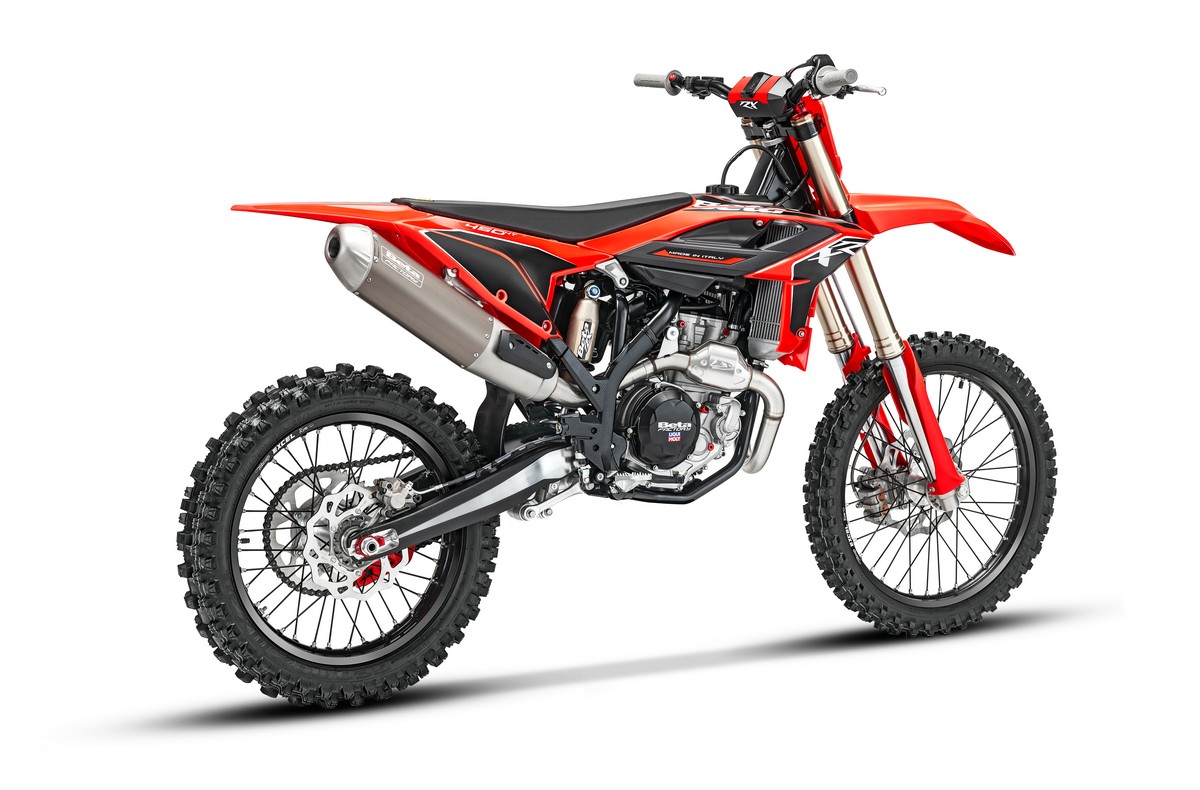
RX 450 4T
Development of the RX 450 model focuses primarily on the electronics and engine power delivery.
Electronics: the following features are introduced, just like on its smaller sibling, the 250 4T:
- Quick Shift
- Launch Control
Traction Control has been further refined for more precise and progressive intervention. The two maps have been updated to make the most of the engine, and all controls are managed via a new integrated control panel.
Throttle body: the new throttle body features a new tapered design, for a higher volume of airflow and less turbulence.
The result is:
- more responsive throttle response
- smoother and more adjustable power delivery
RX 250-350 2-stroke
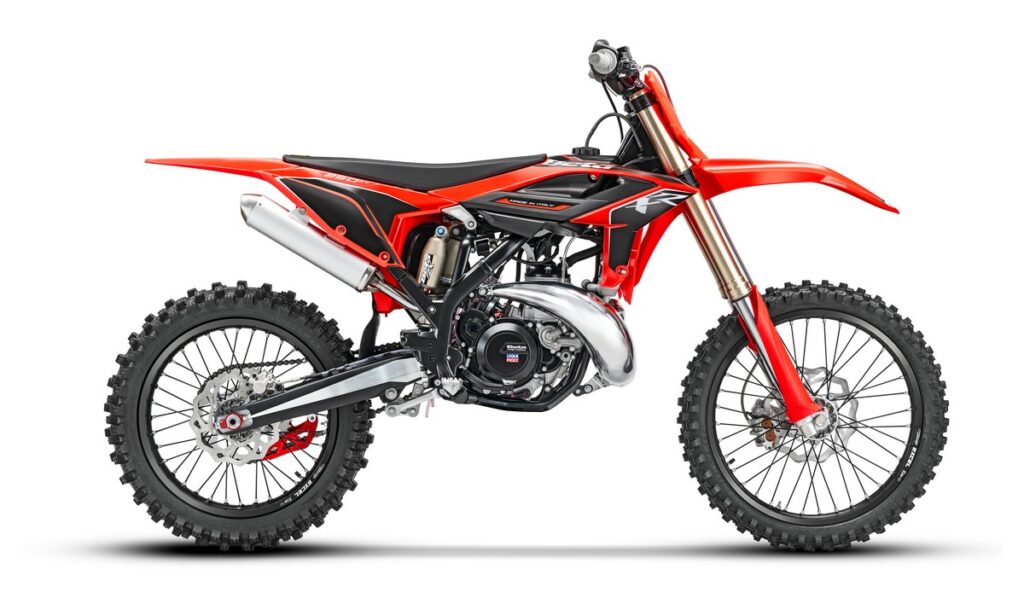
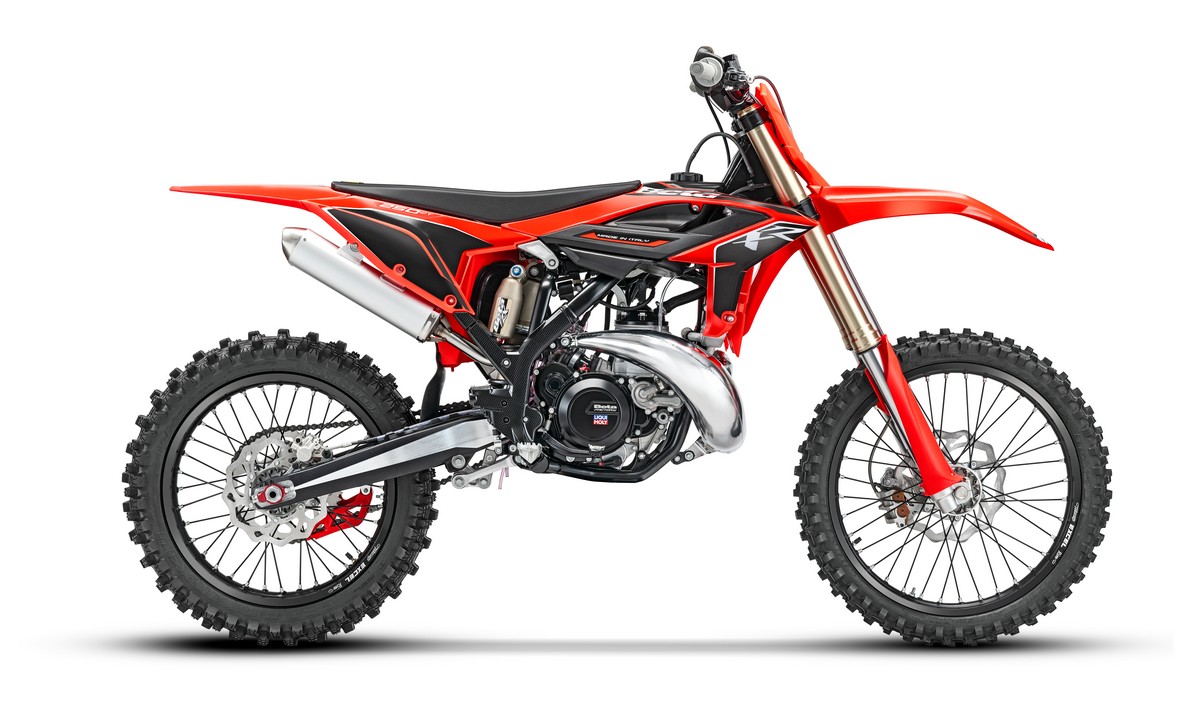
The 250 and 350 cc 2-stroke models have also been the subject of targeted development by the Rignano sull’Arno-based manufacturer, aimed at further refining the dynamic behaviour and overall performance of these recently introduced engine sizes, each with its own specific characteristics. On the one hand, the snappy and feisty RX 250 2-stroke; on the other, the more progressive and versatile 350: two different interpretations of Beta motocross that offer, on the one hand, a true race-ready machine and, on the other, a more well-rounded and versatile bike, ideal for relaxed riding and longer gears. These two models have completely different personalities to compliment most all rider’s needs.
Specifically, the updates include:
RX 350 piston: for the 2027 model year, the RX 350 2T adopts a newly designed piston, developed from scratch with the aim of optimising weight and performance. The weight saved results in a significant reduction in inertia, leading to a more responsive engine. Furthermore, PVD-coated piston rings have been introduced, designed to reduce the coefficient of friction and improve sliding. Taken together, these modifications have led to a performance increase of around 1.5 hp with the same configuration, as well as benefits in terms of efficiency and durability.
RX 250 gear ratios: the final drive ratio has been changed from 13/50 to 14/51, resulting in a longer gear ratio. This gives the bike a smoother gear progression, which is particularly effective on fast sections or when exiting corners where traction and continuous power delivery are required.
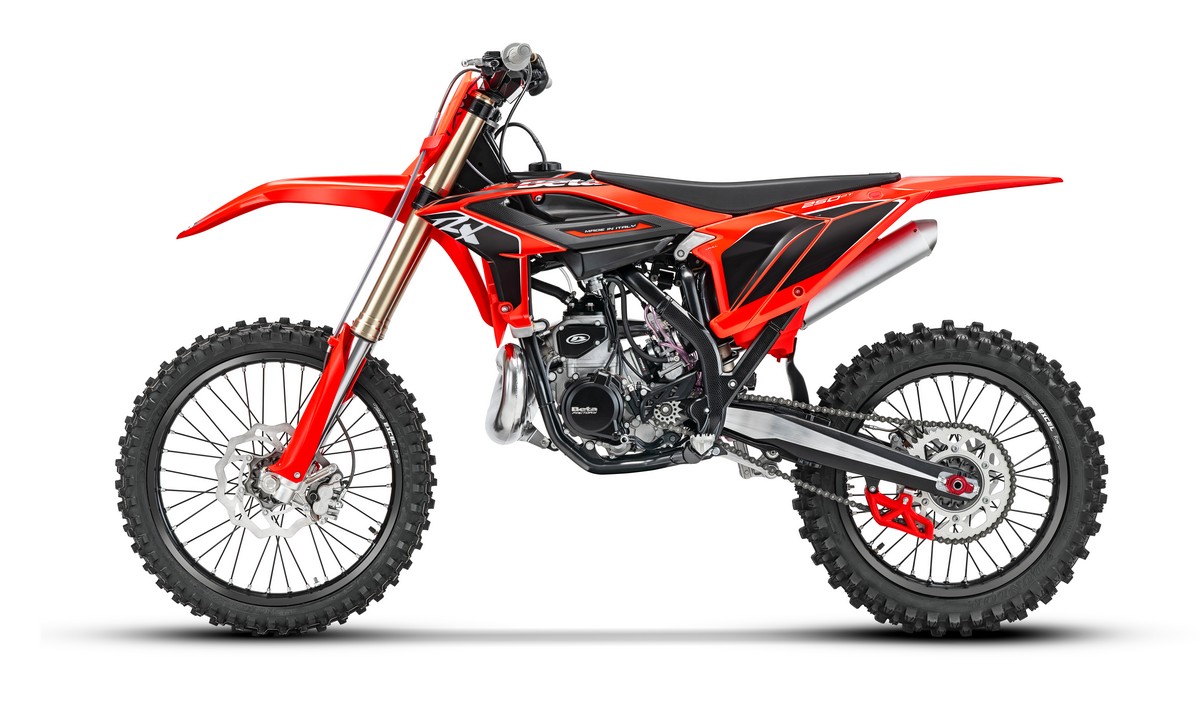
Silencer: for both engine sizes, the silencer features updates to the internal components to optimise their resistance to the stresses typical of intensive motocross use.
Dunlop tyres: as on the 4-stroke models, the 2-stroke models also feature new-generation Dunlop tyres, which are extremely efficient in terms of traction and performance but lighter than their predecessors, greatly benefiting the bike’s handling.
Handlebar protection: to provide greater protection for the rider and harmonise the design of the RX family with the 4-stroke models, the handlebar protection has been redesigned. The button for selecting the engine map is still located inside the pad as well as the newly added Launch Control and Quick Shift functions.
The following features and updates have been introduced to all four RX models:
Chain guide: reinforced for resistance to mud, sand and impacts, improving the precision and durability of the drivetrain.
Front sprocket guard: This new guard has been redesigned to ensure superior protection against impacts, debris and external elements during use, as well as greater safety for the rider (in compliance with even the most stringent competition regulations).
Grips: The new RX models feature grips made from a softer compound, developed to improve comfort and control during intensive track use. Embossed with the Beta logo.
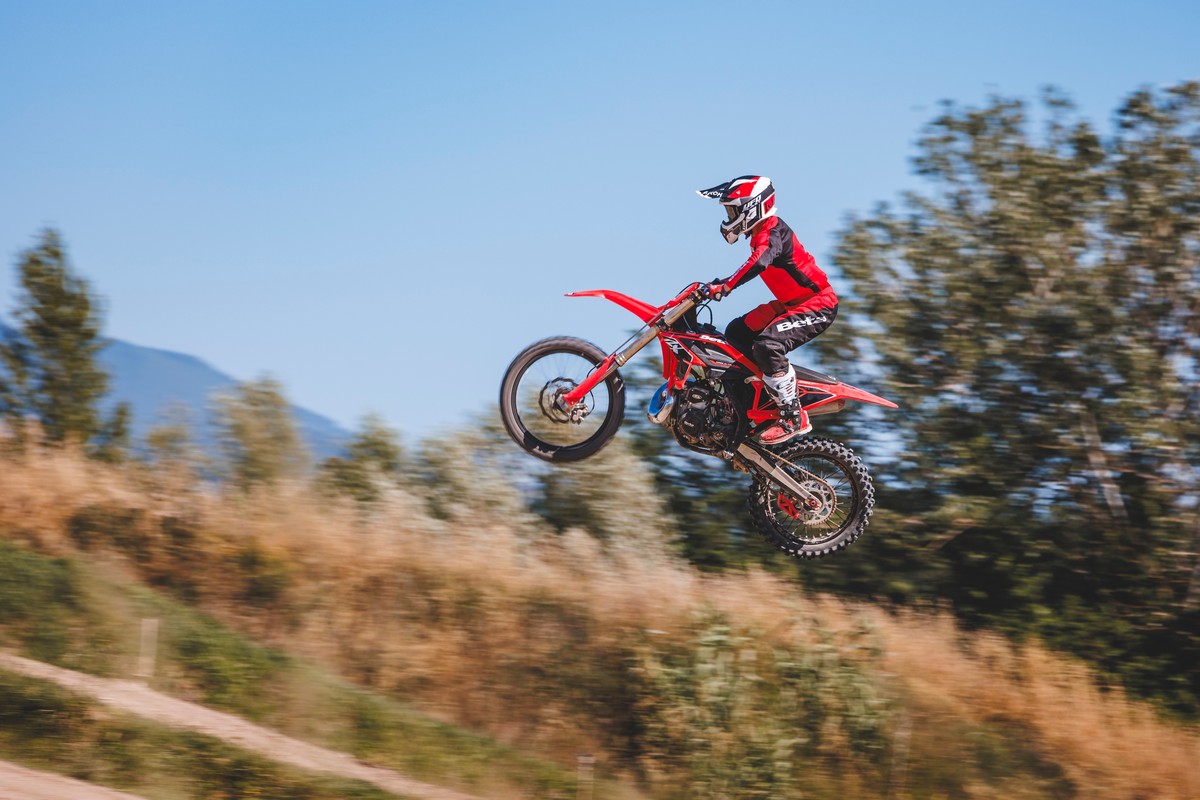
Graphics and colours: the new graphics introduce an eye-catching red and black livery, designed to convey an aggressive and contemporary image, to accompany the launch of the eagerly awaited 250cc 4-stroke model.
In conclusion, it is worth highlighting the distinctive features of the range, which give the RX models their unique character:
Frame: the successful frame geometries of the previous models (for the 250-350 2-stroke and 450 4-stroke models) are retained, already widely appreciated for the excellent balance between stability, manoeuvrability and the sense of security conveyed to the rider. A design approach that has proven its effectiveness both on the fastest sections and on technical stretches, always ensuring predictable and precise handling, allowing the bike to offer a high level of confidence right from the first few laps; we call it RideAbility.
Aluminium subframe and dedicated air filter: the aluminium provides the right degree of rigidity to the structure, whilst maintaining lightness and the ability to absorb stresses. Access to the filter remains on the left side of the bike and is extremely easy and intuitive, requiring no tools whatsoever.
Kayaba (KYB) suspension: the 48 mm closed-cartridge front fork and 50 mm rear shock have been retained, featuring dedicated settings developed specifically for the various models in the range. The updated valving, which differs on each model, has focused on maintaining high sensitivity in the initial part of the stroke, favouring manoeuvrability and the ability to absorb bumps and chop, without compromising support during the most demanding conditions, such as landings and high-speed sections. The result is a set-up capable of instilling immediate confidence, offering stability and precision as the pace increases, thereby allowing riders of all levels to exploit the bike’s potential.
Nissin braking system: featuring floating brake callipers and Galfer brake disks measuring 260mm at the front and 240mm at the rear, for powerful and controllable braking.
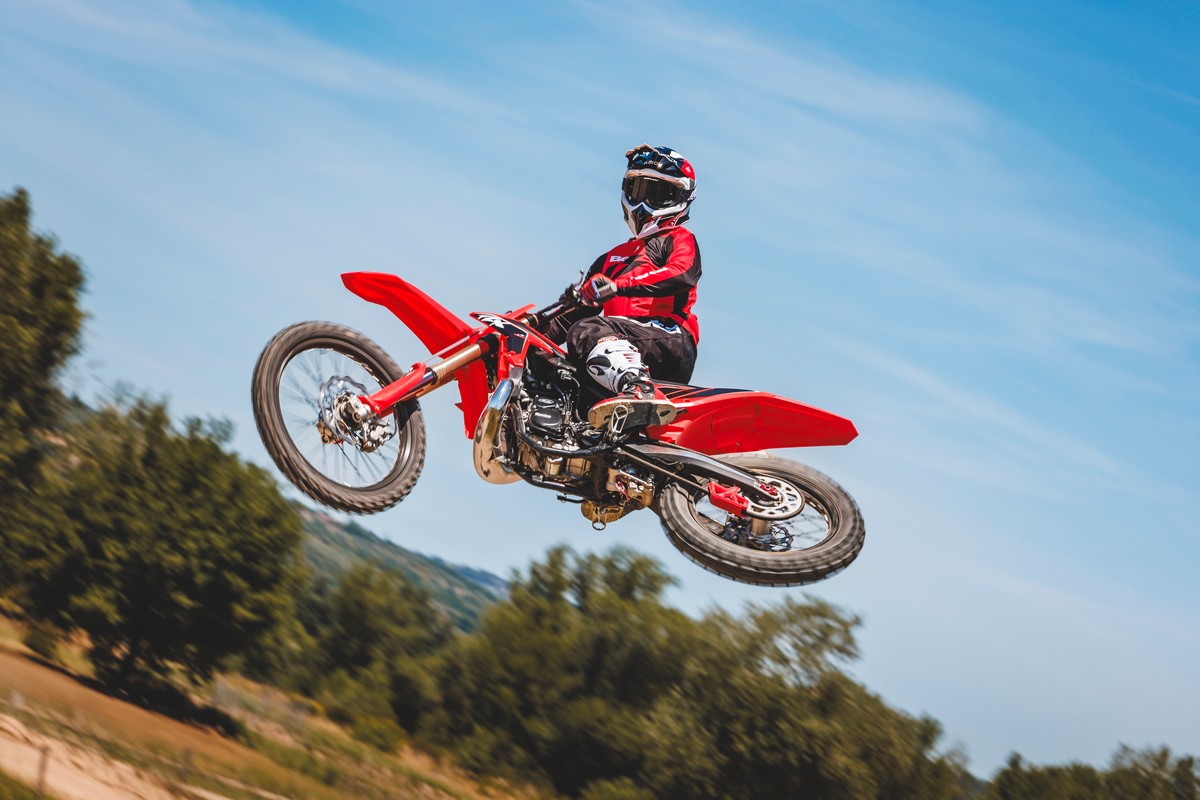
Handlebar with silent block supports: raised by 5 mm to improve ergonomics and comfort.
Lastly, each RX model comes with a special stand that also doubles as a tie-down restraint to prevent damage to the front fork springs. The 4-stroke models also feature four different throttle control pulleys to fine-tune the throttle response.
Availability
Mid-June – RX 450 4-stroke
July – RX 250 4-stroke and 250-350 2-stroke