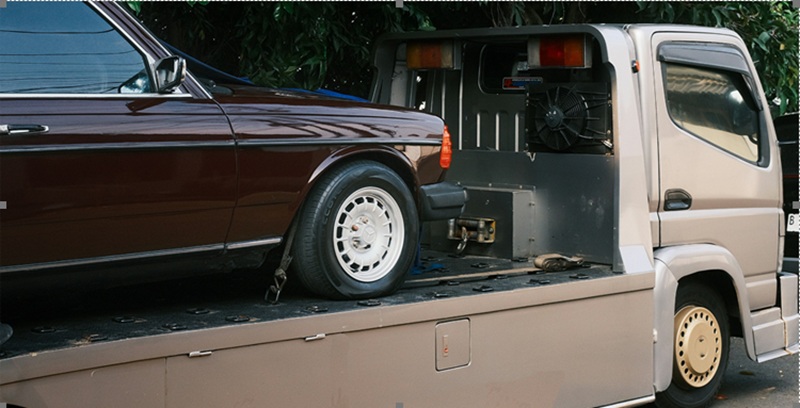
Every day, thousands of vehicles are professionally transported across the United States on specialized carriers. From families relocating and dealerships restocking inventory to online car buyers and manufacturers distributing new models, auto transport is essential to the automotive industry.
The U.S. auto transport sector is now a key component of the nation’s logistics network. To avoid unnecessary mileage, fuel costs, and vehicle wear, consumers and businesses increasingly use licensed carriers for safe and efficient long-distance transport.
Understanding this system helps vehicle owners make informed decisions and enables businesses to better manage inventory and transportation costs. This article examines how vehicles are transported across America, the logistics and technology involved, and the reasons behind the continued growth of professional vehicle transportation.
The Scale of Vehicle Movement in the United States
One of the biggest and busiest transportation networks in the world is found in the United States. The Federal Highway Administration (FHWA) and the U.S. Department of Transportation (DOT) claim that the nation’s more than 4 million miles of public roadways serve as the foundation for both passenger and freight transportation.
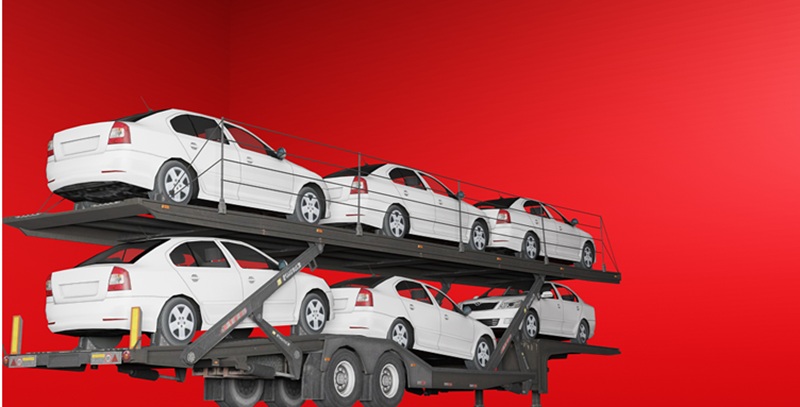
Within this network, vehicle transport plays a crucial yet often overlooked role. Commercial carriers use specialized trailers to move multiple vehicles at once, typically transporting 7 to 10 vehicles per trip. This approach significantly increases efficiency and enables hundreds of vehicles to be moved across states each day.
Key contributors to this movement include:
- Interstate household relocations
- Auto auctions and wholesale markets
- Dealership inventory transfers
- Online vehicle purchases
- Seasonal migration patterns
- Corporate and fleet relocations
- Manufacturer distribution networks
Each of these sectors relies on consistent, large-scale vehicle movement over long distances.
Why Do So Many Vehicles Need Transportation in the USA?
Many assume vehicle shipping is only needed for long-distance moves. In fact, interstate auto transport serves a wide range of needs every day. Common reasons include:
· Household Relocations
Families relocating across the country often ship vehicles while flying to their new home. This saves time, reduces lodging costs, and minimizes vehicle wear.
· Online Vehicle Purchases
Online automotive marketplaces have changed car buying. Buyers now purchase vehicles from distant dealerships or private sellers, relying on professional transport to close the distance.
· Dealership Inventory Management
Dealerships often exchange inventory with other locations to meet customer demand. Transporting vehicles between states allows for faster fulfillment than waiting for local inventory.
· Auto Auctions
Wholesale vehicle auctions move large volumes of vehicles each week. Buyers depend on professional transport to deliver purchased inventory to dealerships or resale sites.
· Seasonal Travel
Many retirees, known as “snowbirds,” ship vehicles between northern and southern states rather than drive long distances twice a year.
· Military PCS Moves
Military families relocating under Permanent Change of Station (PCS) orders often need reliable vehicle transport to streamline their moves.
How the Auto Transport Network Actually Works
Vehicle transport in the U.S. relies on a structured logistics chain with dispatchers, licensed carriers, and routing systems. This process maximizes efficiency and ensures safety and regulatory compliance.
Step 1: Vehicle Scheduling and Assignment
Each transport starts with shipment scheduling. Key details collected include:
- Pickup and delivery locations
- Vehicle size and condition
- Preferred timeframe
- Transport type (open or enclosed)
Logistics teams can match cars with available carriers going on the same route thanks to this data.
Step 2: Route Planning and Consolidation
Unlike parcel delivery, vehicle shipping relies on consolidation. Carriers aim to:
- Fill trailers to near capacity
- Align routes geographically
- Reduce empty miles
- Improve fuel efficiency
For example, a carrier traveling from Texas to the East Coast may pick up several vehicles from different cities along the route.
Step 3: Carrier Assignment
After optimizing the route, a licensed carrier is assigned. Carriers must comply with Federal Motor Carrier Safety Administration (FMCSA) regulations, including:
- Commercial driver licensing
- Hours-of-service rules
- Insurance requirements
- Safety inspections
- Operating authority registration
The Role of Open and Enclosed Transport
Vehicles are transported nationwide using two main methods: open and enclosed transport.
Open Transport: The Industry Standard
Open car transport are the most common option in the U.S., typically transporting multiple vehicles on double-deck trailers.
Advantages include:
- Lower cost per vehicle
- High availability across routes
- Faster scheduling
- Efficient large-scale transport
Most standard vehicles, including sedans, SUVs, and pickup trucks, are shipped using open transport.
Enclosed Transport: Premium Protection
Enclosed carriers transport vehicles within fully covered trailers for added protection.
This method is commonly used for:
- Luxury vehicles
- Classic and collectible cars
- Exotic sports cars
- High-value dealership inventory
It is more costly, but it lessens exposure to road conditions, weather, and debris.
Vehicle Inspection and Documentation Process
Before loading, each vehicle undergoes a detailed inspection to document its condition. This ensures transparency and accountability during transport.
Pre-Transport Inspection Includes:
- Exterior condition check
- Mileage recording
- Photo documentation
- Existing damage reporting
- Mechanical condition notes (if applicable)
All findings are recorded in the Bill of Lading (BOL), the official transport record. The U.S. Department of Transportation highlights documentation as essential for accountability and dispute prevention in freight movement.
Upon delivery, a second inspection confirms the vehicle’s condition matches the original report.
How Vehicles Are Loaded and Secured
Loading vehicles onto carriers demands precision, proper training, and compliance with safety standards.
The loading process involves the following steps:
- Positioning the carrier on stable ground
- Driving or winching vehicles onto the trailer
- Distributing weight evenly across axles
- Securing vehicles with heavy-duty straps or chains
- Performing final safety checks
Each vehicle is secured at multiple points to prevent movement during transit. Proper weight distribution is essential for stability over long distances and diverse terrain. The FMCSA regulates cargo securement to ensure vehicles remain safely fastened throughout transport.
Route Planning Makes Everything More Efficient
Route optimization is a key factor in efficient vehicle transportation. Carriers often consolidate multiple shipments traveling in similar directions, creating efficient transportation corridors instead of moving vehicles individually.
Popular shipping routes include:
- California to Texas
- Florida to New York
- Illinois to Arizona
- Georgia to California
- Texas to Florida
- Washington to Colorado
High-demand interstate routes generally offer:
- More carrier availability
- Shorter scheduling windows
- Competitive pricing
- Faster delivery timelines
Rural destinations may require additional coordination, as carriers operate less frequently in these areas.
Technology Powering Modern Auto Transport
Modern vehicle logistics relies on digital systems to enhance efficiency and transparency.
GPS Tracking
Most carriers use GPS to monitor vehicle locations in real time.
Route Optimization Tools
Advanced software analyzes:
- Traffic conditions
- Weather forecasts
- Fuel efficiency
- Driver availability
Digital Documentation
Paper-based systems are being replaced by digital tools for:
- Condition reports
- Photo evidence
- Electronic signatures
- Delivery confirmation
These innovations increase accuracy and reduce disputes in transport operations.
Digitalization has been identified by the Bureau of Transportation Statistics (BTS) as a major contributor to increased freight efficiency in the U.S. logistics industry.
Federal Regulations Keep Transportation Safe
Vehicle transportation companies operating across state lines must comply with federal regulations, overseen by the Federal Motor Carrier Safety Administration (FMCSA).
Key regulatory requirements include:
- Carrier registration
- USDOT operating authority
- Driver qualification standards
- Hours-of-service regulations
- Vehicle maintenance requirements
- Insurance compliance
- Safety monitoring
These regulations promote safety and reduce accident risks in interstate freight transportation. Consumers should verify that a carrier is properly registered before shipping a vehicle.
Factors That Affect Daily Vehicle Movement
While transportation operates year-round, several factors influence daily shipping activity.
Seasonal Demand
Vehicle shipping demand often increases during:
- Summer relocation season
- Military moving periods
- College transitions
- Winter snowbird migration
- New model dealership deliveries
Increased demand can lead to higher carrier utilization and longer scheduling times.
Weather
Severe weather may temporarily disrupt transportation schedules.
Potential delays include:
- Snowstorms
- Hurricanes
- Flooding
- Wildfires
- High winds
Dispatchers continuously monitor weather conditions to ensure driver safety.
Fuel Prices
Fuel is a major operating expense for commercial carriers. Fluctuations in diesel prices can affect transportation costs industry-wide.
The U.S. Energy Information Administration publishes nationwide diesel price reports that illustrate fuel market trends.
Why Professional Transport Is Often Better Than Driving
While driving long distances may seem less expensive initially, indirect costs quickly add up.
These include:
- Fuel
- Hotels
- Meals
- Tire wear
- Oil changes
- Maintenance
- Depreciation
- Lost personal time
Professional transportation eliminates the physical fatigue of cross-country driving. For businesses with multiple vehicles, shipping inventory instead of having employees drive each vehicle improves operational efficiency.
The Importance of Logistics Coordination
Transporting hundreds of vehicles each day requires precise coordination among all parties involved.
Typical stakeholders include:
- Dispatch teams
- Drivers
- Customers
- Dealerships
- Auction facilities
- Fleet managers
- Receiving personnel
Clear communication is essential throughout the transportation process. Accurate pickup details, flexible scheduling, and prompt documentation help prevent delays.
Effective logistics planning is as important as the driving itself for successful transportation.
Sustainability and Transportation Efficiency
Vehicle transportation increases logistical efficiency. Instead of several drivers traveling the same routes, a single commercial carrier can move multiple vehicles on a single trip.
This consolidated model reduces highway traffic and improves freight efficiency. The freight industry continues to invest in technologies that increase fuel efficiency, optimize routing, and lower emissions.
According to the U.S. Environmental Protection Agency, freight efficiency initiatives continue to play an important role in reducing transportation-related emissions.
The Future of Auto Transport in America
Vehicle transportation is evolving as consumer behavior and automotive technology change. Several key trends are shaping the industry’s future:
· Increased Online Vehicle Sales
Consumers are increasingly comfortable purchasing vehicles remotely, which is driving greater demand for interstate vehicle transportation.
· Greater Technology Integration
Artificial intelligence, predictive logistics, GPS tracking, and automated scheduling are making transportation more efficient.
· Growth of Electric Vehicles
As electric vehicle ownership grows, transportation providers are adapting equipment and operations to accommodate new vehicle designs and battery requirements.
· Enhanced Customer Visibility
Digital tracking, electronic documentation, and automated notifications are now standard throughout the process.
These innovations improve communication and keep customers informed from pickup to delivery.
Choosing a Reliable Auto Transport Company
Whether shipping a single vehicle or managing a fleet, choosing a reputable provider is essential.
Consider the following:
- Verify FMCSA registration and USDOT authority.
- Confirm adequate cargo insurance coverage.
- Read verified customer reviews from independent platforms.
- Ask about vehicle inspection procedures.
- Understand estimated pickup and delivery windows.
- Request clear documentation outlining services and responsibilities.
Following these steps helps ensure a smooth shipping experience and reduces the risk of unexpected issues.
Conclusion
Through a highly coordinated network of professional carriers, dispatchers, logistics experts, and commercial drivers, hundreds of vehicles travel across America every day. What might seem like a straightforward truck carrying automobiles is actually part of an advanced transportation system that relies on route planning, operational expertise, technology, and regulatory compliance.
From household moves and online vehicle purchases to dealership inventory management and wholesale auctions, professional auto transport supports industries and consumers nationwide. As digital commerce grows and interstate mobility increases, vehicle transportation will remain essential to the U.S. logistics landscape.
Understanding this process helps vehicle owners, businesses, and logistics professionals make informed decisions and appreciate the infrastructure that keeps America’s vehicles moving safely, efficiently, and reliably every day. So, contact a reliable car shipping company to transport your vehicle across the USA!