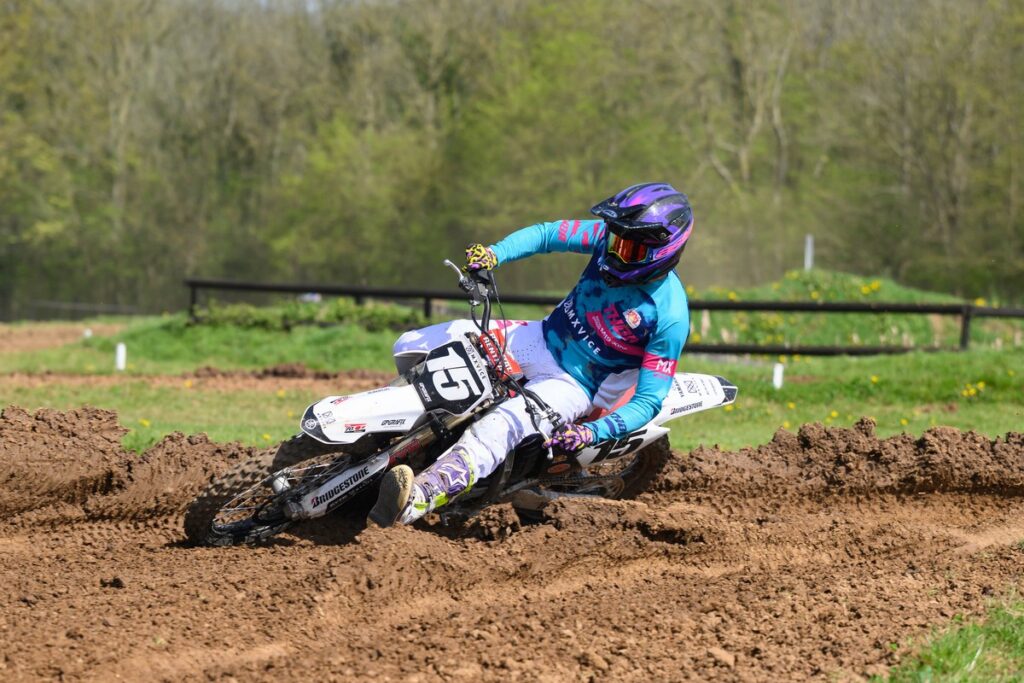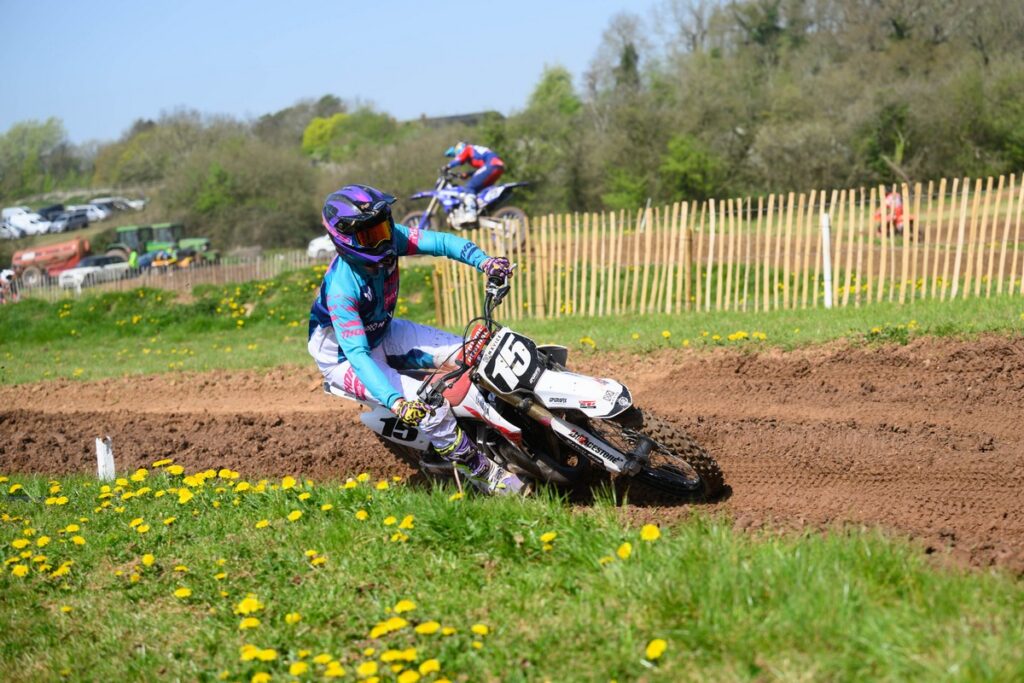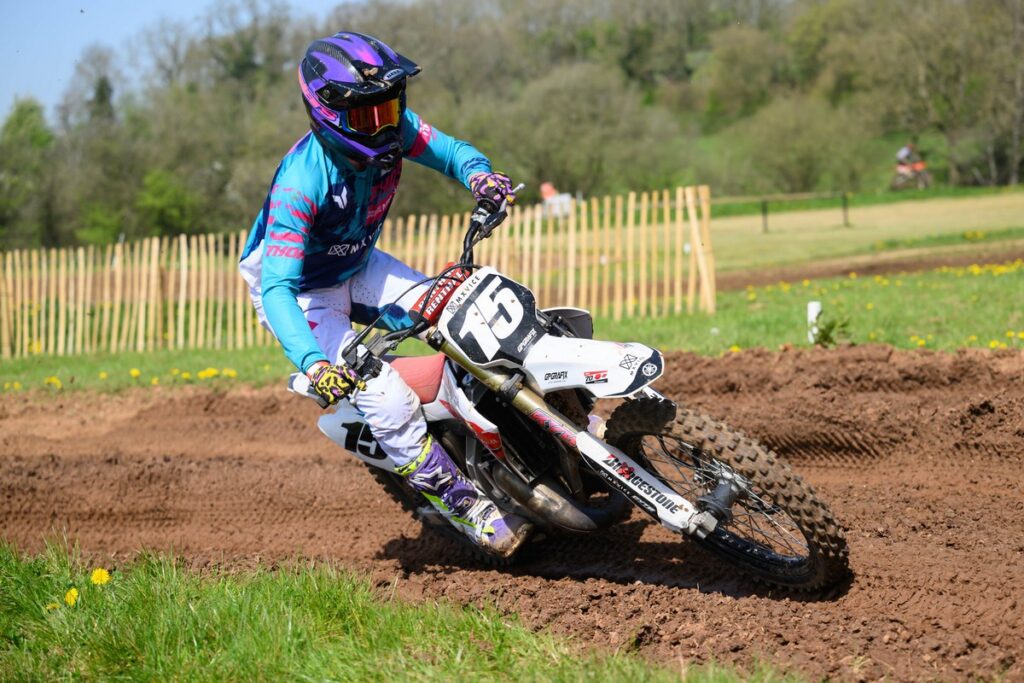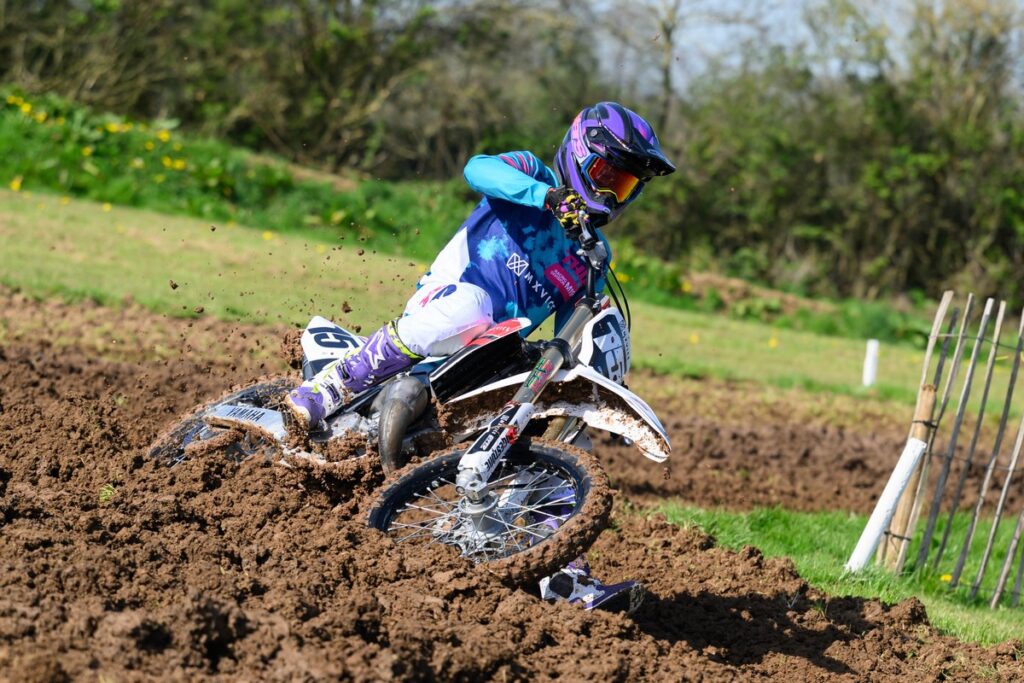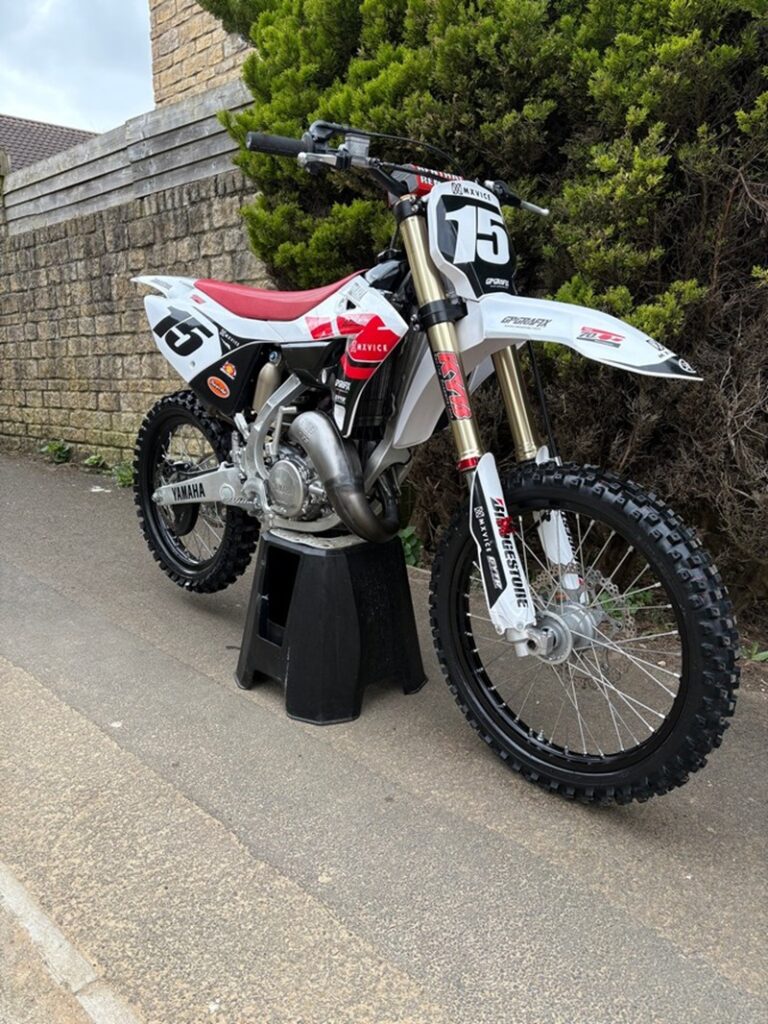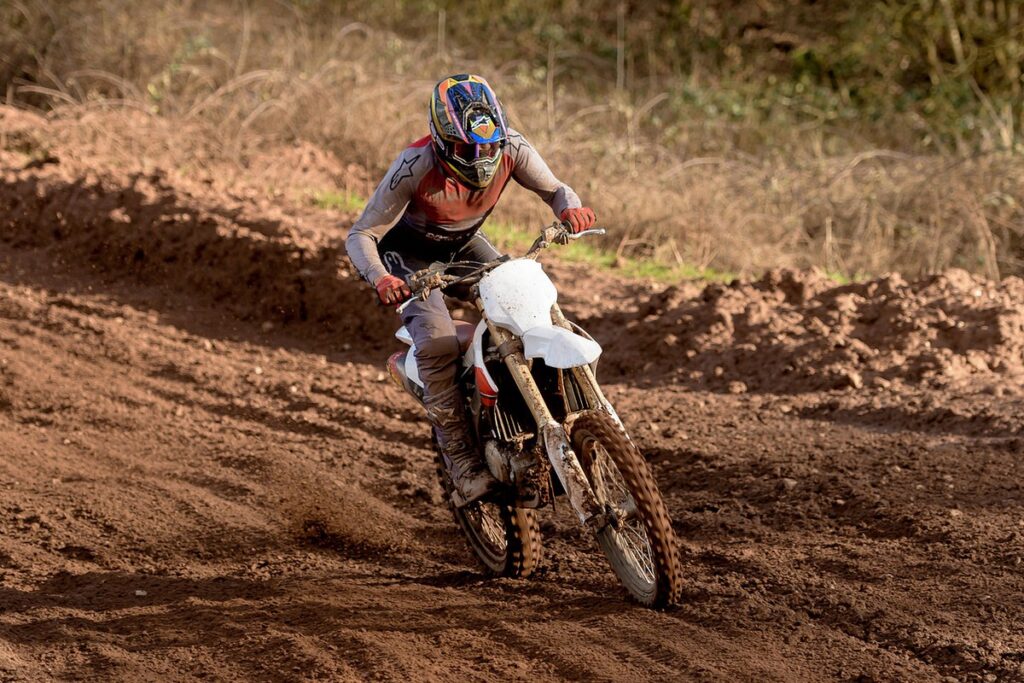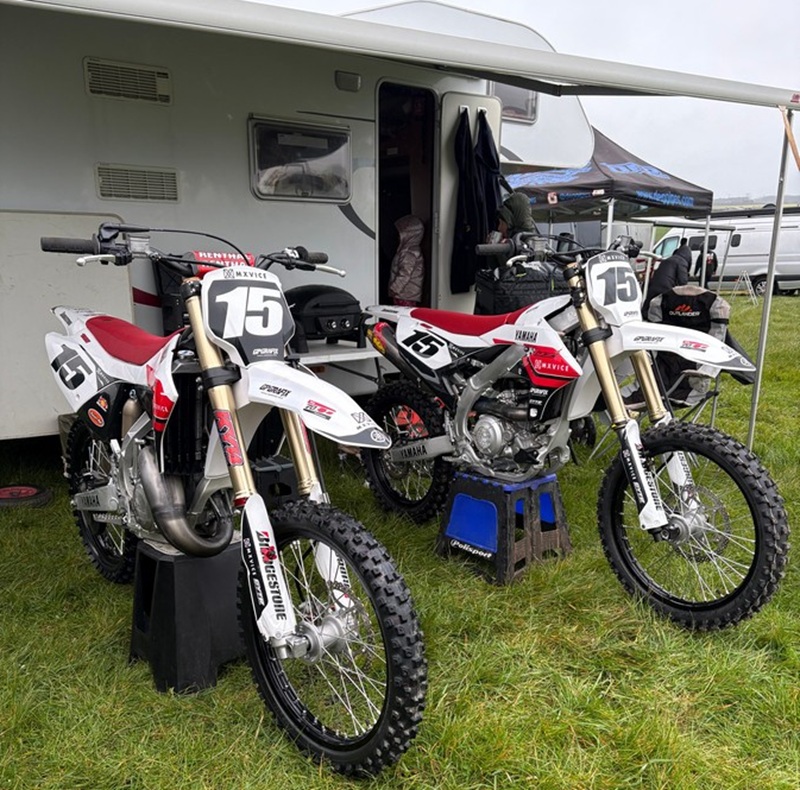
We were lucky enough to receive both a new 2026 YZF450 and a YZ125 from Yamaha. Even though the core platform of the YZ125 has remained largely unchanged for many years, it has still received updates along the way and continues to be one of the best bikes in its class.
The YZF450, however, has undergone several major updates for 2026, which are covered in more detail in its own review. This article focuses on what I’ve enjoyed—and not enjoyed so much—about both bikes so far this year.
Let’s start with the cons…
I’ve mentioned this before, but the fork guard bolts across the entire YZ/YZF range are, in my opinion, a real pain. They use Allen bolts, which I can live with, although an 8mm bolt would be more convenient. That said, it seems to be a common choice among several Japanese brands.
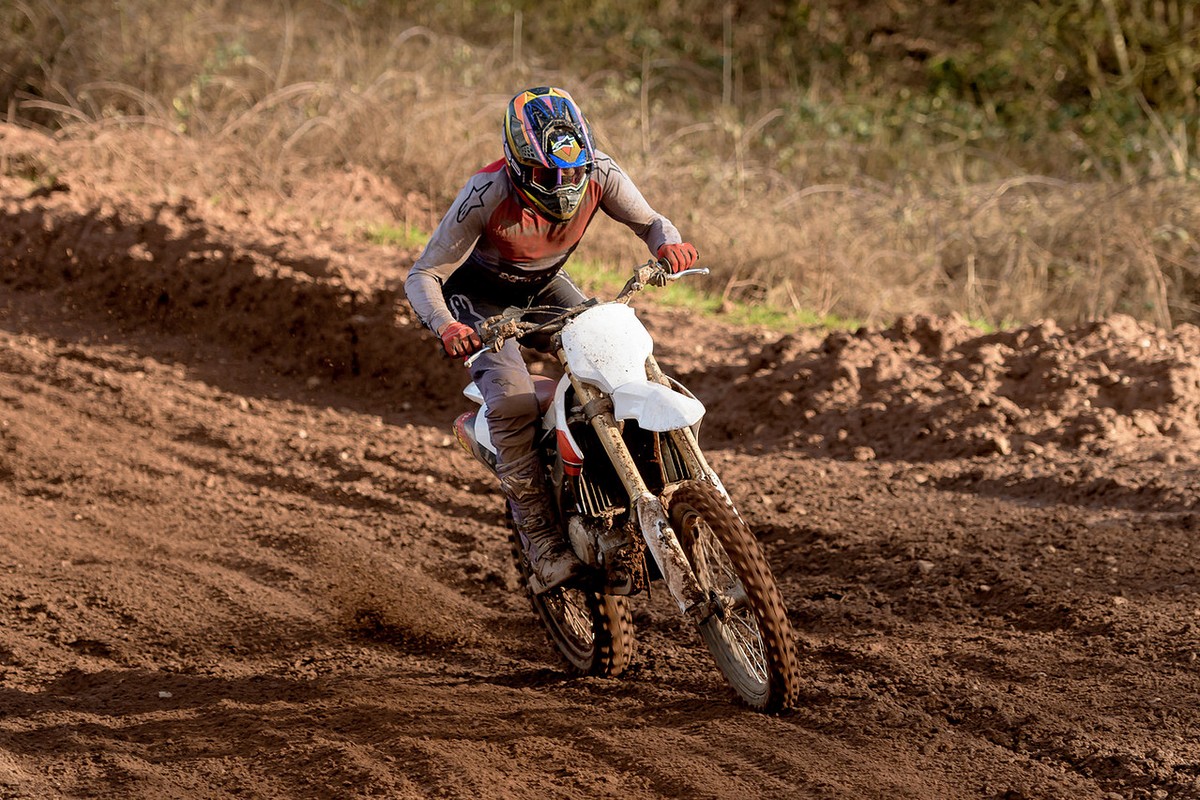
The real issue is the positioning. Two out of the three bolts are easy to access with a T-bar or ratchet, but the last one feels like it was placed just to annoy people. The only way to reach it is by removing the front wheel—or if you’re lucky enough to have an extremely stubby Allen key. It’s more of a KYB issue than a Yamaha one, but I do wish it would be addressed.
Another thing I’m struggling with is the hydraulic clutch on the YZF450. Probably the biggest update for 2026 is the switch from a traditional cable clutch to a hydraulic system. Yamaha has opted for a Nissin setup rather than the GYTR Brembo system available in previous years.
I’ve always preferred cable clutches, but the Brembo system wasn’t bad. The Nissin clutch, however, feels very lively and makes it difficult to find a consistent biting point. It feels quite on/off, and as a result I’m constantly fighting to keep the front end down.
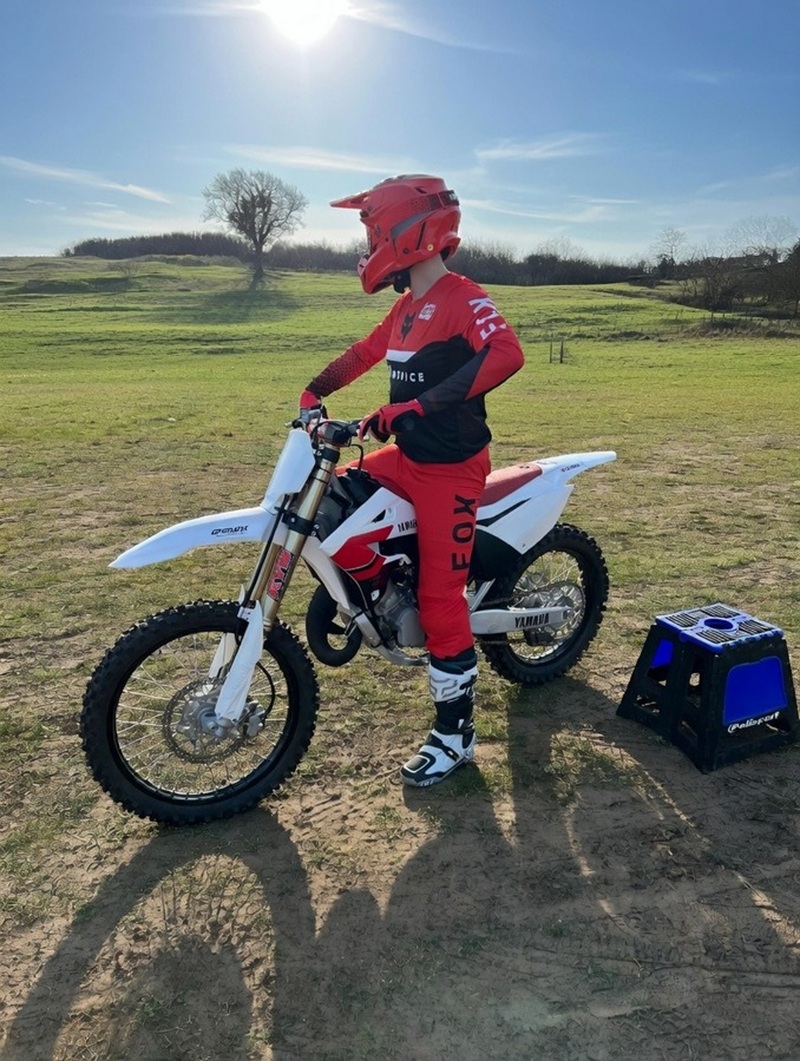
I do have a plan: I’m going to drop two teeth on the rear sprocket to a 47 and see if that calms the clutch’s responsiveness. If that doesn’t work, I’ll try fitting the 2025 GYTR Brembo system and see how that compares.
The Yamaha range includes some of the best-looking bikes out there, but the front pipe on the two-stroke models doesn’t do them any favors visually. The black pipe makes the bike look old and outdated. It works great, and I understand why it’s black—it helps maintain its appearance over time and prevents it from looking rusty or worn as quickly as a standard aluminum pipe. It’s the same reason some manufacturers opt for chrome-plated pipes—but aesthetically, it still feels dated.
These are really the only gripes I have with both bikes. I don’t want to overstate it, but Yamaha has done an excellent job with both models. It’s a safe bet that the YZF250 and YZ250 are just as impressive.
Now for the pros…
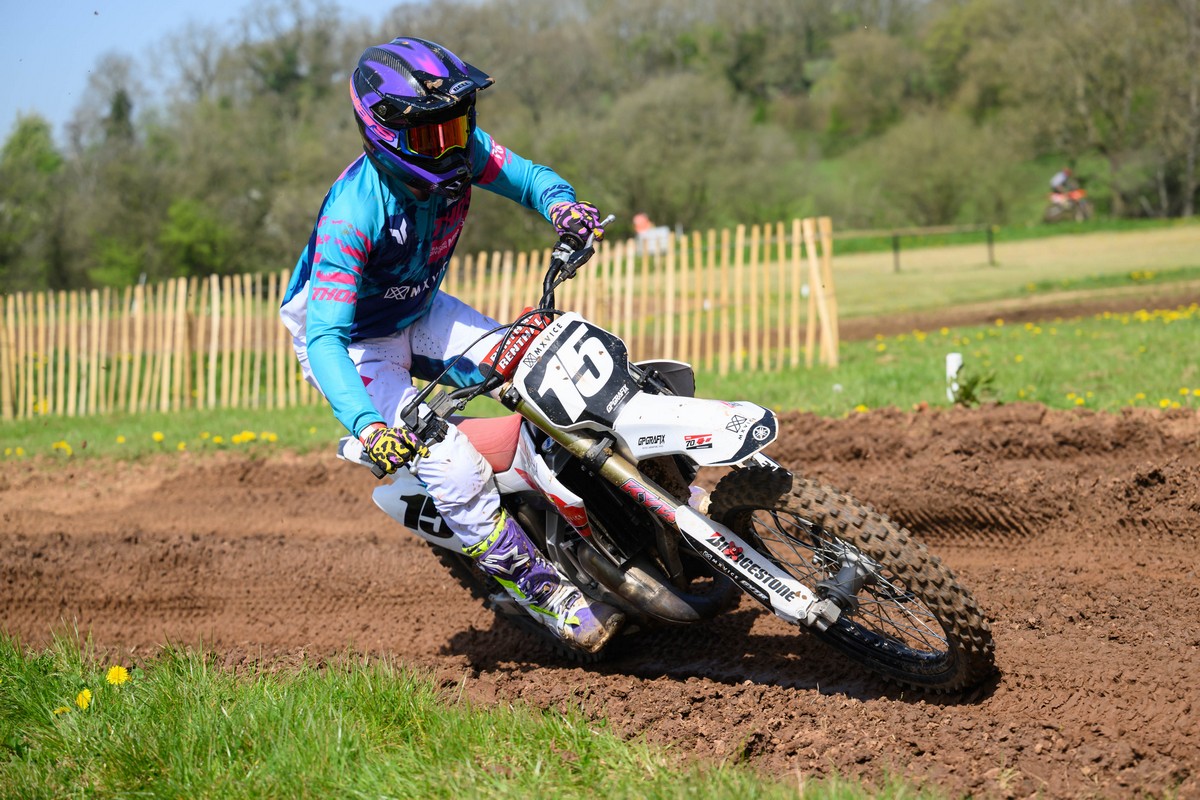
As mentioned earlier, the YZ125 platform has remained largely unchanged for years, and I really appreciate that. Not everything needs to be updated just for the sake of it. The YZ125 is a solid bike straight out of the crate, and even after 20 hours it still pulls like it’s brand new.
One thing I really like about the 70th Anniversary Editions is the seat cover. Exclusive to these models, it offers extra grip when sliding backward, while still allowing the rider to move forward easily when entering corners.
One of my favorite features of the YZF range is the mapping system and how much freedom it gives you. You can tailor the bike to suit each individual track and set of conditions. Among the many mapping options, you can also adjust the rev limiter when launch control is engaged—a feature that I don’t think riders take full advantage of.
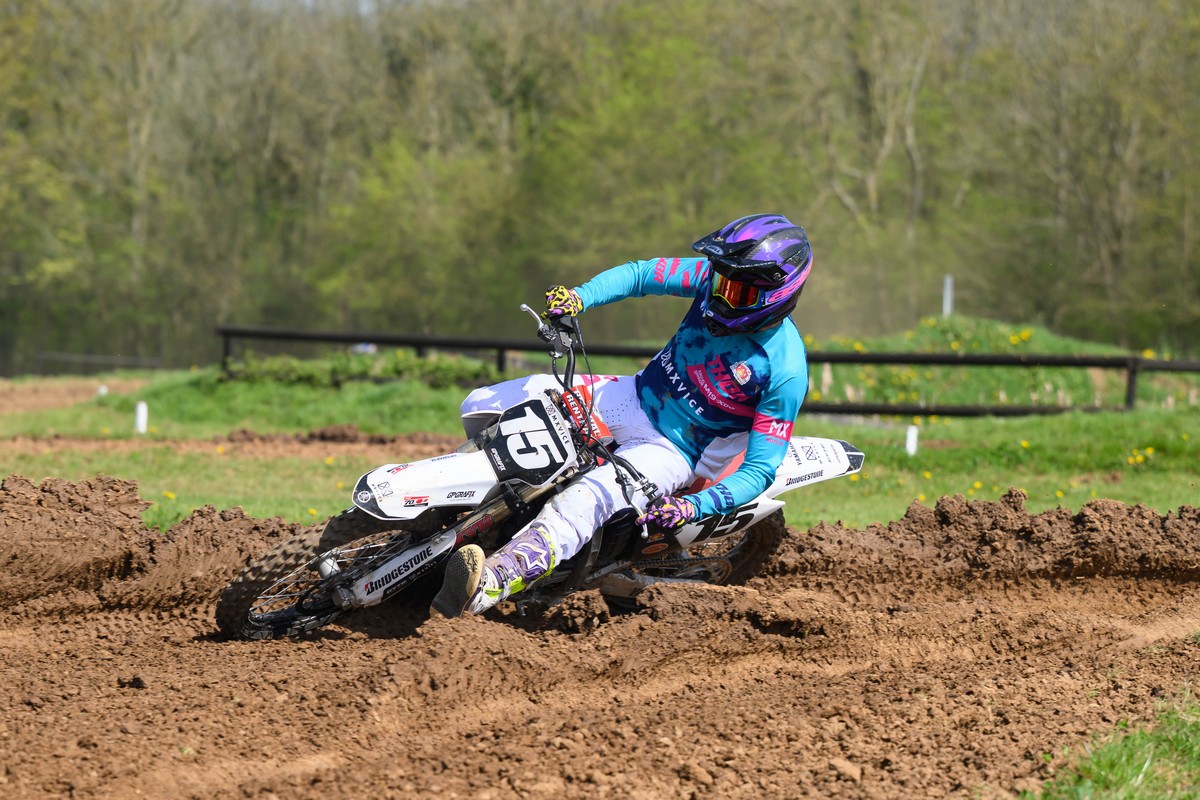
Another great thing about the YZ125 is that it’s still carbureted. This allows you to adjust jetting and needle position depending on the track and conditions. While it may seem outdated compared to the fuel-injected Austrian bikes, many riders I’ve spoken to have experienced teething issues with those systems. That brings me back to my earlier point—not changing things just for the sake of change.
This next point is both a pro and a con, depending on the bike. I really like the tires that come on the YZ125. It’s equipped with Bridgestone X20s, and I’m a big fan of Bridgestone tires. The YZF450, on the other hand, comes with Dunlop MX34s, which I personally don’t like at all. I struggle to find grip and often feel like the tires are trying to break loose. I know this comes down to personal preference, so others may feel differently—but for me, it’s a con on the 450 and a big pro on the 125.
There are many things that make the YZ range impressive on paper, but these are the aspects I’ve benefited from the most over the past 20 hours.
Tested and written by Brad Wheeler